Sindh cabinet reduces SPSC exam passing marks to 33pc
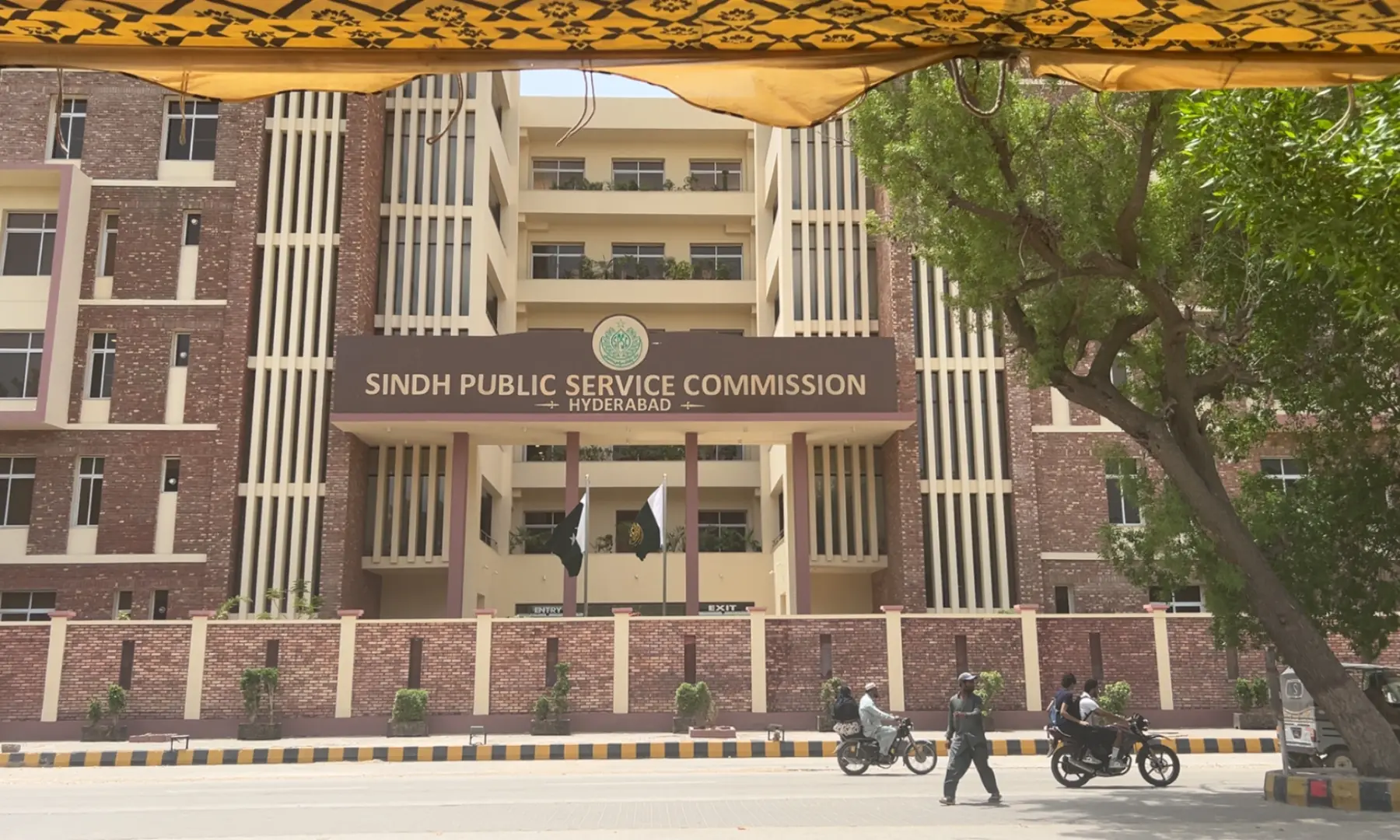
KARACHI: The Sindh cabinet on Tuesday decided to reduce the screening-test passing threshold for the Combined Competitive Examination (CCE) of the Sindh Public Service Commission (SPSC) from 40 per cent to 33pc to allow a larger pool of candidates to qualify for the written examination.
The cabinet meeting, which was chaired by Chief Minister Murad Ali Shah, also decided to raise the upper age limit for the CCE from 30 years to 33 years and increase the number of permissible attempts from three to five.
A press statement issued after the meeting stated that the decisions aimed at “expanding opportunities for candidates and restoring confidence in the recruitment process”.
It said computer-based testing would be introduced for one-paper examinations, with results printed immediately after the tests. Interview marks will be revised in line with the ratio followed by the Federal Public Service Commission.
Raises upper age limit for candidates appearing in competitive exams to 33 years; okays plan to increase property tax collection in Karachi from Rs2.3bn to Rs25.5bn
According to the cabinet agenda, a Cabinet Reforms Committee will be constituted to develop information technology-enabled and artificial intelligence-based reforms for the SPSC.
The reforms also include safeguards against retaliatory action against candidates who participated in recent protests and a mechanism to review allegations of candidates being targeted during interviews.
The package follows concerns and protests raised by candidates over recruitment procedures and examination arrangements.
The cabinet approved the World Bank-supported Sindh Property Revenue Enhancement Programme, with financing of $150 million. The programme aims to increase property-tax collection across Karachi’s 25 town municipal corporations from Rs2.3 billion to Rs25.5bn.
The cabinet also approved a €115m financing package from the European Investment Bank, comprising a 100-million-euro loan and 15m euro grant, for the third phase of the Sindh Flood Emergency Housing Reconstruction Project.
The cabinet approved handing over the management of DHQ Hospital Sujawal to the Medical Emergency Resilience Foundation (MERF) for five years under a public-private partnership, with a first-year requirement of around Rs1bn.
It also approved a five-year extension for MERF’s management of DHQ Hospital Thatta and seven other facilities, and the operationalisation of Chanesar Dispensary and Maternity Home as a 24-hour facility through the Indus Hospital and Health Network.
Other decisions included approval of the Sindh Policy for Receipt and Disposal of Natural Gas Royalty In-Kind 2026, amendments to the Sindh Councils Unified Grades (Service) Rules, a request for restoration of Sindh’s 30pc share in the national sugar export quota and post-facto approval for declaring Mitha Ram Hostel near Pakistan Chowk as a sub-jail for accused in the KTC attack cases.
Besides, the chief minister briefed the provincial cabinet on his recent visit to China, saying it had opened new avenues for investment, technology transfer and cooperation in energy, agriculture, water management, education, healthcare and industrial development.
Mr Shah informed the cabinet that Sindh and China’s Hubei province had agreed to deepen their partnership, which began in 2009 and was formalised through a sister-province agreement in 2021.
The cabinet endorsed the proposal to establish a Joint Cooperation Council to coordinate initiatives and advance cooperation in priority sectors.
The meeting was briefed that the provincial delegation toured the Three Gorges Dam to study its flood-management, electricity-generation and navigation systems.
The chief minister said that the delegation also proposed a sister-city arrangement between Yichang and Sukkur and invited Chinese companies to participate in bidding for Sukkur Barrage gates.
The cabinet was informed that the Sindh Investment and Trade Conference in Shanghai attracted over 400 delegates and resulted in 36 memorandums of understanding. Of these, 12 were signed by the Sindh government, five by Sindh Engro Coal Mining Company and 19 by private-sector firms, covering energy, mining, manufacturing, agriculture, logistics, digital infrastructure, EV charging, education and skills.
Published in Dawn, October 21st, 2026