Pakistani youth face job crisis
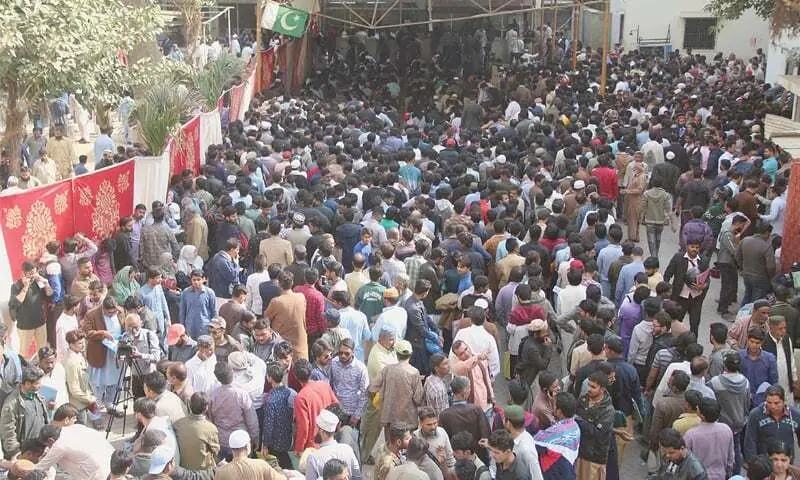
ISLAMABAD: Only seven per cent of Pakistan’s youth have access to formal technical and vocational training against the regional average of 22pc, and the World Bank estimates that this skill gap costs Pakistan $31.5 billion annually in lost productivity and unrealised export potential.
“How to boost youth employment in Pakistan for the age of AI,” is a topic that is part of the World Economic Forum’s annual meeting of Global Future Leaders, which opened in Dubai on Tuesday. Pakistan provides a case study in efforts to bridge the current gap between education and employment.
The annual meeting gives a new generation of leaders a platform to shape the future by jointly creating bold opportunities in a volatile world, while building the capacity to withstand setbacks and respond to the unthinkable.
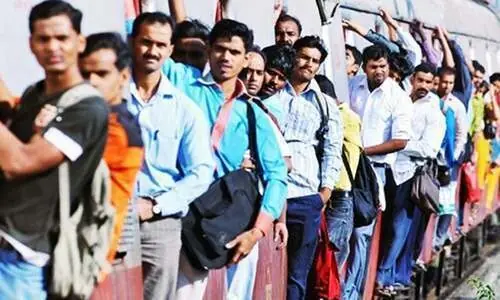
Among youth aged 15 to 29, nearly a third are NEET (not in education, employment, or training). For young women, that share climbs past half.
The problem is not that young Pakistanis are not working hard enough. It is the infrastructure needed to connect talent to opportunity — structured mentorship, career guidance, industry networks, honest labour market signals — that was never built in most of the country.
Nationally, graduate unemployment at 18.3pc exceeds the overall unemployment rate of 14.7pc across all education levels. Statistically, the people who studied hardest are the most likely to be left waiting. This is not a talent problem. According to Pakistan’s case study article, it is an architectural problem.
In Pakistan, a university degree has become the beginning of a job search, not the end of one. According to Gallup Pakistan’s analysis of the Pakistan Labour Force Survey 2024-25, graduate unemployment among young Pakistanis aged 20-24 stands at 32.8pc. Nearly one in three graduates in this age group is unemployed — not because they lack capability, but because the system they graduated into was never designed to absorb them.
Published in Dawn, October 14th, 2026