Gender gap in financial inclusion narrows
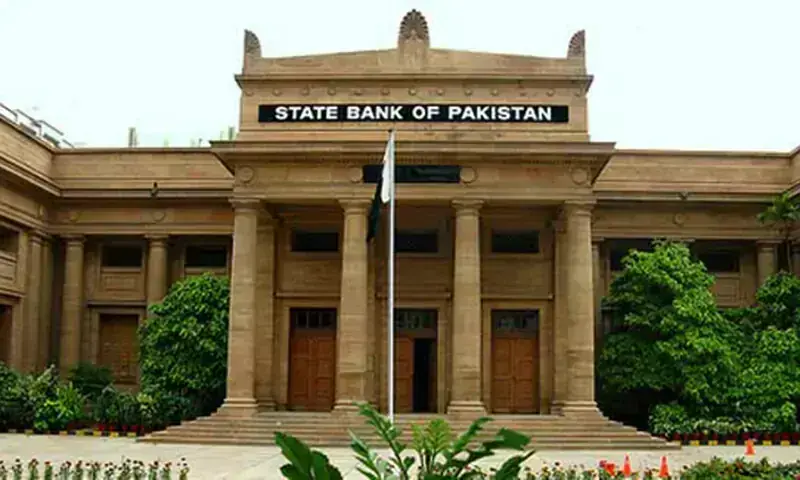
KARACHI: The State Bank of Pakistan (SBP) on Tuesday launched the second edition of its Banking on Equality (BoE) Policy, following the previous framework that helped narrow the gender gap in financial inclusion from 39 per cent to 29pc.
The first BoE policy, launched in 2021, was Pakistan’s first gender-mainstreaming initiative for the banking sector, aimed at reducing the gender gap in financial inclusion and making financial services more accessible to women. “As a result, the overall gender gap in financial inclusion has narrowed from 39pc in 2021 to 29pc in 2025,” the SBP said.
The central bank said women’s inclusion in the financial sector was essential for long-term economic prosperity and formed a key part of its Vision 2028.
During this period, banks inducted more than 17,500 women under the policy, raising the proportion of female staff from 13pc to 17pc. Dedicated women’s financial services departments or teams have also been established at banks to develop women-centric products and services.
The SBP said its implementation of the BoE Policy since 2021 recently earned it the Policy Achievement Award for Gender Inclusive Finance 2026 from the Alliance for Financial Inclusion. The BoE Policy 2026 builds on the earlier framework with enhanced actions and targets to strengthen women’s representation and retention in the financial sector, expand their digital access to financial services, promote entrepreneurship and financial literacy through support hubs and improve the use of gender-disaggregated data for monitoring and outreach.
The new policy sets targets for women’s share in hiring, customer outreach and branchless banking agents. It also advises banks to introduce day-care facilities for working mothers and put in place career progression policies to help mid-career women move into leadership roles.
To improve access to financial services, the policy directs banks to expand women’s access to accounts and payment services through targeted digital onboarding drives, simplified women-centric digital accounts and greater use of digital payments by women-led businesses.
The SBP said the policy also aimed to boost financing for women-owned or women-led micro, small and medium enterprises by increasing the share of female borrowers across key financing segments. Key measures include incorporating a gender lens into credit planning, introducing simplified and specialised financing products, using digital platforms and fintech partnerships, and adopting alternative credit assessment and collateral mechanisms for women with limited formal financial histories.
The policy also aims to improve women’s entrepreneurship and financial literacy to provide a stronger pathway for their participation in the financial system. To ensure implementation, the SBP will introduce a monitoring and evaluation framework, quarterly data reporting and regular mystery-shopping exercises.
The BoE was finalised after consultations with local and international stakeholders. It is intended to support the National Financial Inclusion Strategy target of reducing the gender gap to 25pc by 2028 and assist implementation of the World Bank-led Women Entrepreneurs Finance Code initiative.
Published in Dawn, October 14th, 2026