Anti-Corruption Establishment crackdown paralyses Lahore police investigation system
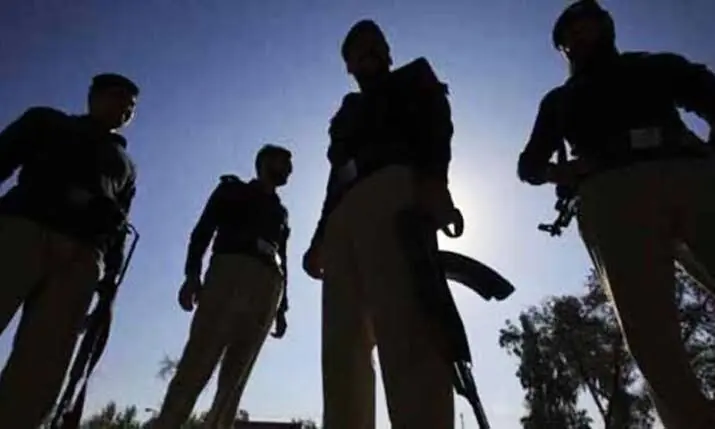
LAHORE: The Lahore Police’s investigation system has slowed down by almost 50pc as investigating officers (IOs) have virtually stopped working since the Anti-Corruption Establishment (ACE) started raids to arrest corrupt officers, exposing heavy dependence of police system on bribe paid by both the complainants as well as the accused in criminal cases.
A major contributing factor is the provincial capital police’s low budget under the head of the cost of investigation. In most cases, they reportedly get bribe from complainant and defendant parties as expenses for ‘fuel for the official vehicles’ used during the investigation.
The situation became further complicated when the investigation officers allegedly stopped ‘paying money’ while the prosecution staff put forward lame excuses to the investigation officers that the Punjab Information Technology Board (PITB) system is not working properly.
A senior official, privy to the development, called the situation tricky for the Lahore investigating wing police, saying the matter had been taken up in recent meetings of the high command with no outcome so far.
The “fuel money” paid by complainants/accused is making the mare go
Overwhelming numbers, meagre funds
Referring to these meetings, he says the investigation police are massively overburdened with 165,000 cases registered in all 84 police stations of the city since January 2026 and almost all of them were pending for investigation.
On average, he said, 280,000 cases were registered annually in Lahore.
Unfortunately, he adds, the “Punjab government has provided Rs40 million under the head of investigation only against registered cases which is next to nothing compared to what is needed.”
About the massive gap between actual operational requirement and the allocated budget, he says in 2022, the then DIG Investigation Lahore Shahzada Sultan had demanded Rs867m but only Rs56m were sanctioned, leaving a shortfall of Rs811m and fuelling complaints of corruption.
“Now it is 2026, and this meagre amount of Rs40m for the Lahore police is nothing short of a joke, especially at a time when the Punjab government has launched a large-scale drive against corruption,” the official, who did not want to be named, says, implying that taking “fuel cost” is necessary for smooth functioning of the department.
According to him, Rs1bn is required annually as the cost of investigation for Lahore alone.
During the last two weeks, he says the police high command was informed during meetings that the ACE had arrested several police officials through trap raids, prompting them to slow down work on investigation of the registered cases as they were unable to bear the expenses on their own.
To a question, he says the expenses for investigation into a murder case ranged from Rs50,000 to Rs100,000, depending upon the sensitivity of the cases.
High-profile cases, more allocations
Citing another case which has increased significance of the budgetary requirements, the official says that then Punjab Police chief Dr Usman Anwar had managed to obtain a petty amount of Rs7m from the provincial government exclusively for the high-profile cases registered against leaders of the Pakistan Tehreek-i-Insaf (PTI) and the Tehreek-i-Labbaik Pakistan (TLP) in Lahore. The funds were to be disbursed among the IOs because these cases were of sensitive nature and they had incurred significant expenses.
“The thought-provoking matter was that this amount was also paid from the Lahore police funds reserved for the cost of investigation,” the official laments.
Despite high requirements, real-time allocations have historically languished far below targets, forcing individual IOs to absorb costs. As a consequence, the majority of the IOs have stopped working, saying that investigation costs are not being reimbursed to them as per the high expenses.
“If they don’t do the work, the police high command punishes them and if they do, they have to take bribe,” the official says.
Prosecution dept–another issue
The prosecution department, he says, acts as the legal representative of the state in criminal cases, serving as a vital bridge between the police, investigation agencies and the judiciary. The prosecutors examine first information reports (FIRs), case diaries and police investigation reports (such as final reports under Section 173 of the CrPC) to check for legal lacuna or missing evidence before a case goes to trial. The IOs allege that prosecutors won’t do anything unless they are paid and the amount ranges between Rs5,000 to Rs50,000 per case to clear the objections on the police reports.
DIG Investigation Zeeshan Raza confirmed to Dawn the investigation officials are facing serious issues, saying his department has moved a request to the Punjab government through the IGP for increasing funds under the head of cost of investigation.
He said the “increase in the budget is dire need of the time to steer the police out of serious crisis.”
Published in Dawn, October 1st, 2026