KARACHI: The Dow University of Health Sciences (DUHS) on Saturday launched a locally developed clinical decision-support application aimed at helping healthcare professionals make timely, evidence-based decisions in the diagnosis and treatment of infectious diseases and promoting responsible use of antimicrobial medicines.
Developed at the Sindh Infectious Diseases Hospital & Research Centre (SIDH&RC), the application named Bug & Drug has been designed specifically around the clinical needs and healthcare context of Pakistan. It is available for both Android and iOS devices and can also be used offline.
Dr Muneeba Ahsan Saeed, assistant professor of infectious diseases at SIDH&RC; Dr Fiza Farooqui, consultant microbiologist and head of laboratory at OMI; and Dr Syed Faisal Mahmood, professor of infectious diseases at Aga Khan University Hospital (AKUH), designed the application in collaboration with software developers.
The project was undertaken under the Antimicrobial Stewardship Fellowship Programme, with support from the Wellcome Trust and CAMO-Net.
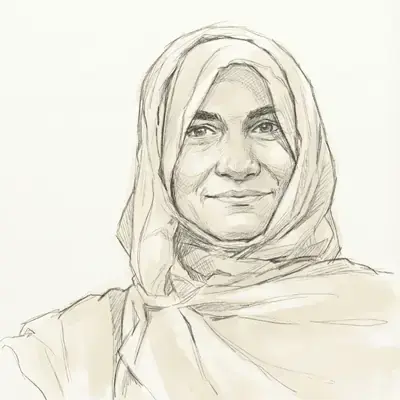
Speaking at the launch, DUHS Vice Chancellor Prof Nazli Hossain appreciated the initiative, while emphasising that the potential relevance of the application in areas such as puerperal sepsis and usefulness in secondary-care hospitals, in addition to tertiary-care settings, should be explored.
Explaining the concept behind the application, Dr Muneeba said its name reflected two fundamental questions in infectious diseases: “What’s the bug?” and “What’s the drug?”
The application currently contains information on 113 infectious diseases, 141 aetiological agents and 75 antimicrobials, with clinical guidance converted into algorithm-based pathways to assist doctors at the point of care.
It provides a range of tools and clinical pathways, including quick ID consult, clinical syndromes, aetiological agents, antimicrobial agents and spectrum, culture-guided therapy, antimicrobial resistance, isolation precautions, IV-to-oral antibiotic switching, post-exposure prophylaxis, tuberculosis, HIV, sexually transmitted infections and vaccination.
During a demonstration, the developers showed how the application could guide a clinician from initial assessment and diagnostic work-up to targeted treatment and subsequent step-down therapy.
Prof Mahmood of AKUH said infectious diseases involved a large number of clinical conditions, pathogens and antimicrobial drugs, making treatment decisions particularly complex.
He said the application had an advantage over generic international resources because it had been developed in the Pakistani context, taking into account local pathogens, diseases and available medicines.
In her remarks, Dr Asma Naseem said wider use would generate feedback that could help developers update and improve the application.
Dr Izhar Hussain said Pakistan needed more locally generated evidence to guide antimicrobial stewardship, including a comprehensive national antibiogram and standardised therapeutic guidelines based on local resistance patterns.
Antimicrobial resistance, he pointed out, was not confined to human health and unnecessary antimicrobial use in animal husbandry also contributed to the problem. A One Health approach, bringing together human, animal and environmental health, was therefore required.
Guest of Honour Prof Muhammad Saeed Quraishy, who formally launched the app, and SIDH&RC Medical Superintendent Dr Abdul Wahid Rajput also spoke.
Published in Dawn, September 27th, 2026