Google-Pakistan deal raises data privacy concerns
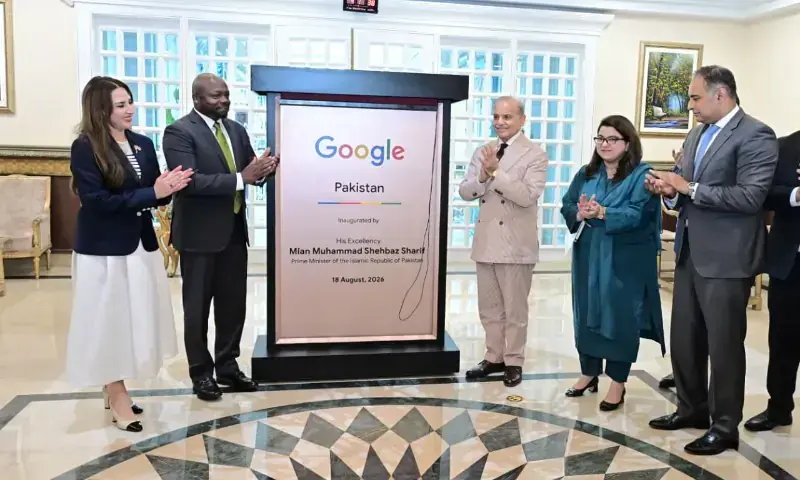
ISLAMABAD: Media watchdog Freedom Network has penned an open letter to Google and the government, seeking to know what safeguards will ensure that the tech giant’s recent partnership with Pakistan strengthens the country’s digital economy without creating a backdoor for surveillance, censorship or unrestricted access to citizens’ personal information.
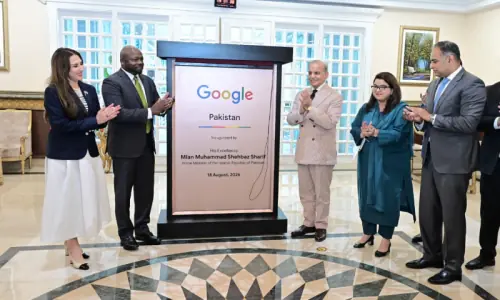
The Islamabad-based watchdog welcomed the signing of memoranda of understanding and agreements between Google and the government after the company opened its office in Pakistan to advance the country’s digital vision, but expressed apprehensions that the tech company and the government had not made details of their agreements public.
“A big question is what exactly has been agreed? Will the government or Google publish all MoUs, agreements, contracts or other arrangements signed between them? If some provisions must remain confidential, who decided that and under what law?” Freedom Network asked in its alert shared with the media through a press release.
The media watchdog asked if there were any undisclosed commitments concerning access to user data, content, metadata or government databases. “Under what circumstances can Pakistani authorities request information about Google users? Will every request require a valid legal process and judicial oversight? Will Google reject requests that are overly broad, vague or inconsistent with fundamental rights?”
Media watchdog seeks details of MoUs, agreements
Freedom Network was explicit in asking if any protection or unambiguous safeguards against government access to journalists’ Gmail, Google Drive, photos, YouTube accounts, search-related information or other data that could reveal confidential sources were part of the agreements and MoUs.
The watchdog asked Google to commit itself to not removing any content merely because a government agency asks, or that requests for blocking or removal shall be assessed under transparent legal standards and users shall receive notice and an opportunity to challenge decisions where legally possible.
Freedom Network also worried about where Pakistani citizens’ data would be stored as the country is developing a national data-governance framework that urges data sovereignty, minimum disclosure and citizens’ right to know who has accessed their information. “Will Pakistani users’ data be stored in Pakistan, overseas, or both?” it asked Google.
“There should not be informal or undocumented data-sharing arrangements between Google and the Pakistan government.”
The press release quoted the media watchdog as asking the tech company: “Who independently will audit Google’s compliance with privacy and human-rights safeguards in Pakistan? The answer should not be simply the government.”
Published in Dawn, September 17th, 2026