Loyalists at Republican convention question Trump-centric midterm strategy
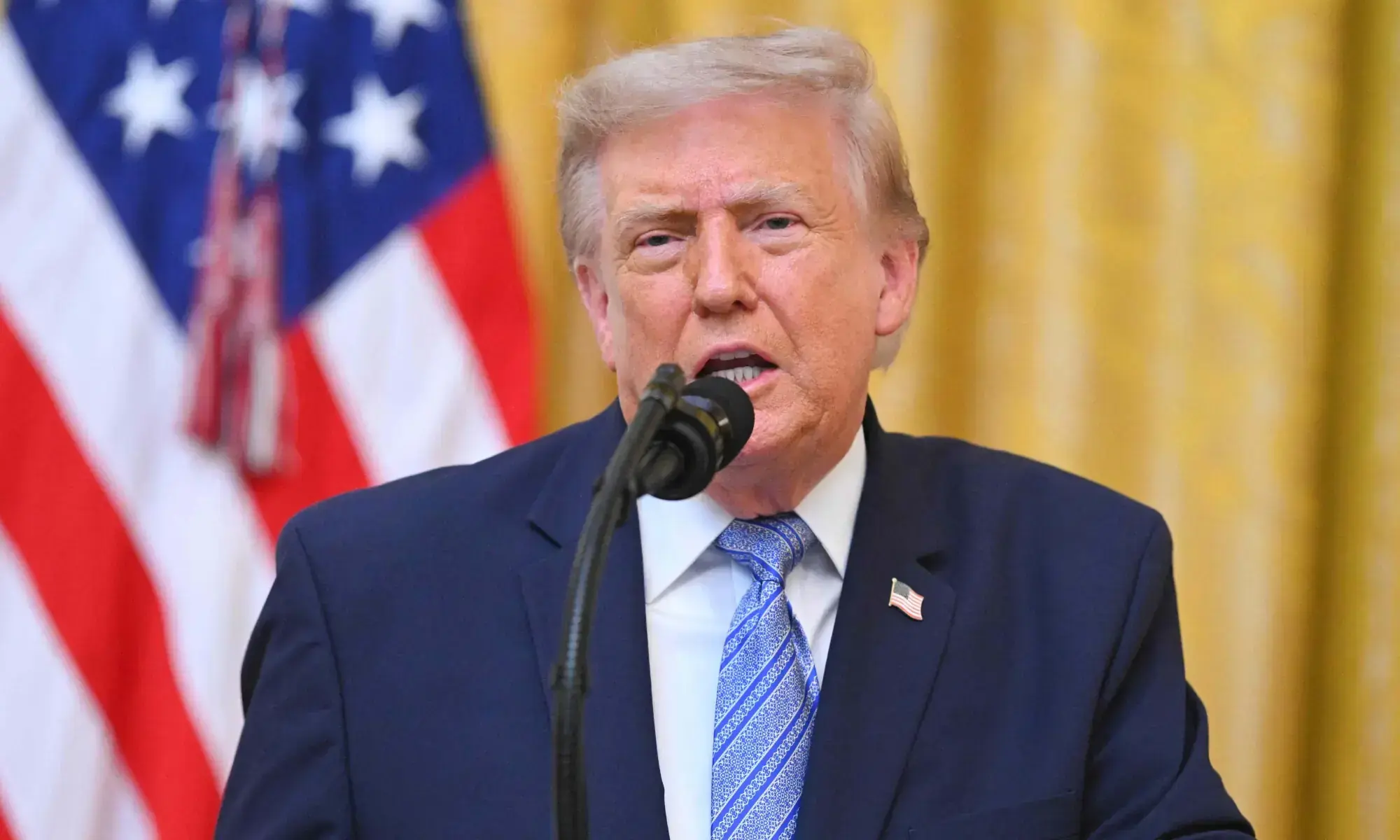
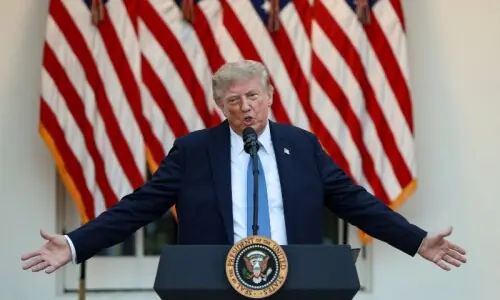
DALLAS: President Donald Trump used the Republican Party’s first-ever midterm convention this week to make a risky appeal to voters: treat November’s midterm elections as a referendum on him.
Trump urged voters to “pretend that I’m on the ballot” during the two-day gathering that kicked off what Republicans hope will be a Trump-focused campaign aimed at galvanising the party’s base and recreating the turnout that powered his 2016 and 2024 election victories.
But interviews with Republicans gathered in Dallas underscored unease about that strategy. Even some attendees who strongly support Trump questioned whether a president weighed down by voter concerns over inflation and the Iran war was the party’s strongest messenger in competitive races.
The scepticism was notable given the convention attracted Trump’s most committed supporters and echoed the concerns raised by some Republican lawmakers running in competitive districts.
“He’s definitely energising the base and I think the convention was a good idea, but I’m not entirely sure if this pitch is going to work for everybody,” said Len Heritage, a Republican donor from Washington state who said he contributed money to help fund the convention.
Heritage said he came away from Trump’s keynote address on Wednesday night with a greater appreciation for Trump, but he was still torn over whether to believe him to be the party’s best messenger.
Trump said little in his speeches on both nights of the convention to address voters’ top concern of the high cost of living that has helped to drive his approval ratings to historic lows as Americans sour on his economic leadership. He said food prices were rapidly declining, despite government data to the contrary.
He did promise every American adult a $5,000 “Trump dividend” if Republicans retain control of Congress, although he did not say how that would be funded.
The arena floor was full by the time Trump delivered his keynote address on Wednesday, but much of the upper deck and hundreds of side seats in the 21,000-seat American Airlines Center remained vacant, undercutting the convention’s effort to showcase Trump’s political strength ahead of the midterms. Trump, who has long fixated on crowd size, repeatedly described the arena as packed.
The Trump gamble
Trump’s standing has held up far better among Republicans than among voters outside the party. His overall approval stood at 33pc in a Reuters/Ipsos poll conducted Aug 28-31, the lowest level of his presidency. Among Republicans, his approval had slipped from 91pc in the first days of his term to 82pc. Among independents, it had fallen much more sharply, from 39pc to 22pc over the same period.
Opinion polls also suggest Democrats enter the midterms with a more energized voter base than Republicans. Brian Darling, a Republican strategist and former Senate aide, said Trump’s most devoted voters can be difficult to mobilise without him on the ballot.
Shaping the Republican campaign around Trump was “obviously a risky strategy,” he said, “but I do think that it’s better than the alternative.” They argue that Trump’s plea to voters to “pretend that I’m on the ballot” plays into their effort to make the election a referendum on his handling of the economy and the Iran war.
Christine Gardner, a retired intellectual property lawyer from Texas attending the convention, said any downside from Trump’s prominence could be outweighed by what she sees as Democrats’ shift to the left, including the rise of candidates backed by the Democratic Socialists of America, a left-wing political group now playing a prominent role in the Democratic Party.
“I think the thing that’s going to help us more than he (Trump) could possibly hurt us is those DSAs, because the independents are gonna go, ‘Wait a minute, that’s a little bit way too far,’” Gardner said. “And it’s almost like OK, the devil you know is better.” Speakers at the convention sought to portray Democrats as dangerous anti-American extremists who would threaten Americans’ way of life if they won power, part of a Republican strategy to energize their voters by casting the election as a battle for the country’s identity and values.
Published in Dawn, September 12th, 2026