IHC reserves verdict on plea against validity of presidential ordinance
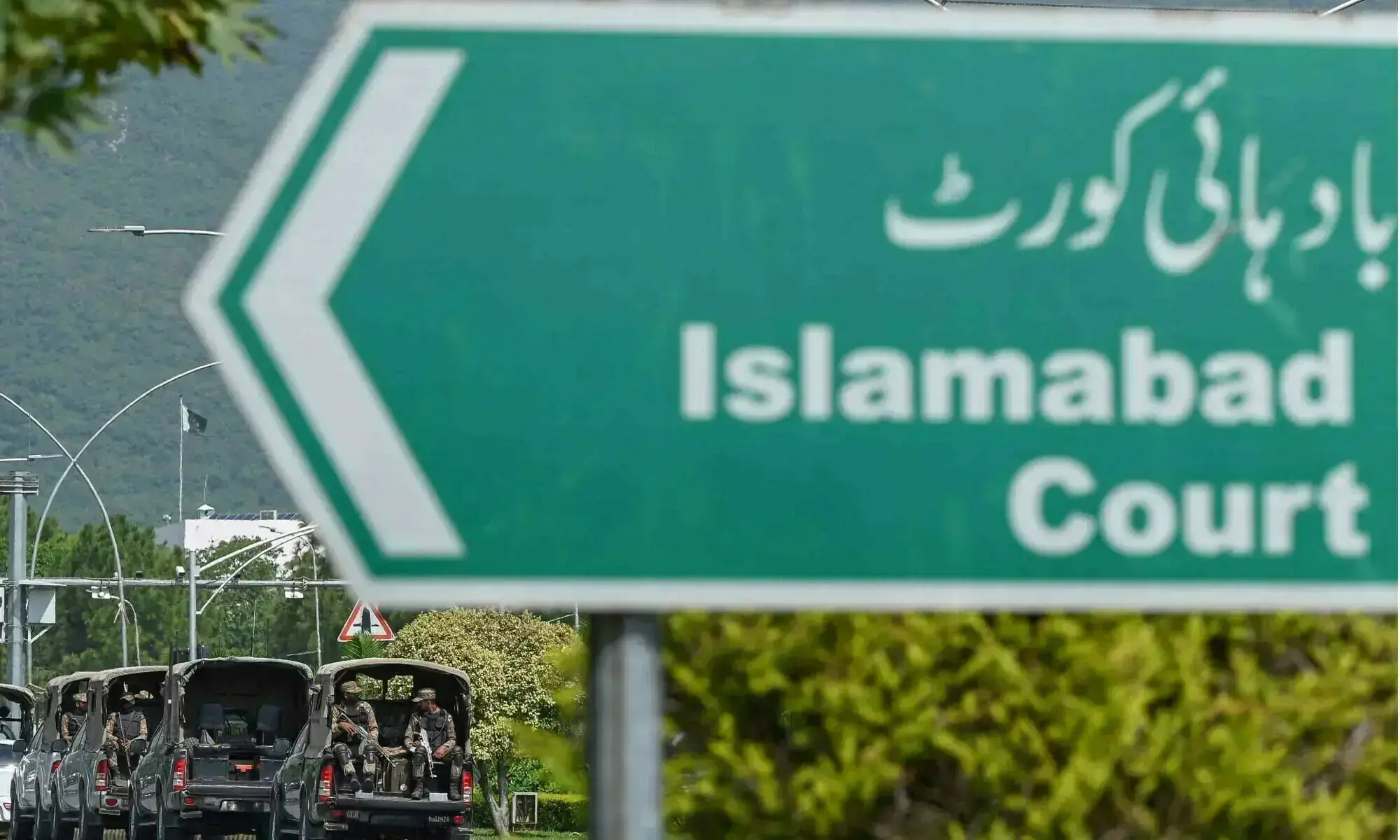
ISLAMABAD: The Islamabad High Court (IHC) on Tuesday reserved its verdict on a petition challenging the constitutional validity of a presidential ordinance issued in 2024 that increased the maximum period of physical remand in National Accountability Bureau (NAB) cases from 14 days to 40 days.
Justice Raja Inaam Amin Minhas reserved the decision after hearing arguments from both sides on the petition filed by Najiullah.
Petitioner’s counsel Azhar Siddique argued that parliament, after deliberation and debate, had reduced the maximum physical remand period from 90 days to 14 days, but the president subsequently increased it to 40 days through an ordinance.
He contended that the president had exceeded his constitutional authority by altering a decision already taken by parliament through legislation.
“The president did not have the authority to change the parliamentary decision through an ordinance,” the counsel argued, adding that the ordinance was later placed before the assembly but was not approved and instead rejected.
According to Mr Siddique, the rejection of the ordinance by the assembly demonstrated that the measure did not enjoy parliamentary support.
He further argued that the ordinance appeared to have been introduced with the specific objective of extending the detention of the PTI founder by keeping him on physical remand for a longer period.
The counsel maintained that the issue before the high court was not merely whether the ordinance had expired, but whether the president possessed the constitutional authority to make such a change in the first place.
He argued that the president’s power to promulgate ordinances was neither absolute nor unlimited and could only be exercised within the limits prescribed by the Constitution.
“There was neither an emergency nor any extraordinary circumstance that warranted replacing the legal framework laid down by Parliament through a presidential ordinance,” Mr Siddique contended.
Deputy Attorney General Mian Faisal Irfan opposed the petition and urged the court to dismiss it.
He argued that the relevant ordinance had already expired and that the Lahore High Court had also decided a matter concerning the ordinance.
The law officer contended that the petitioner was not an aggrieved party and therefore could not maintain the application.
Responding to the government’s objections, Mr Siddique maintained that the expiry of the ordinance was not the central issue before the IHC.
He reiterated that the petition raised a constitutional question regarding the scope of the president’s power to promulgate an ordinance and whether such power could be used to alter a law enacted by parliament.
Published in Dawn, September 9th, 2026