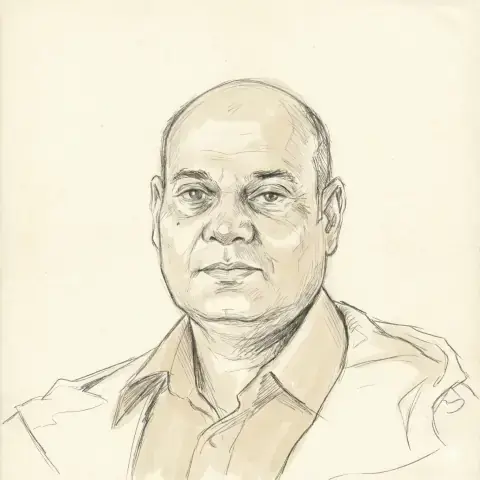
ISLAMABAD: The Pakistan Telecommunication Access Providers Association President Dr Shahid Farooq has demanded an end to government-to-government (G2G) direct contracting under the Public Procurement Rules, saying it is stifling investment and innovation in the IT and telecom sector.
The association comprises 26 members, including Cybernet, nayatel, PTCL, Wateen, Multinet, and others.
In a letter to Finance Minister Muhammad Aurangzeb, Planning Minister Prof Ahsan Iqbal, and IT and Telecom Minister Shaza Fatima Khawaja, the association urged the government to abolish G2G direct contracting in the rules. It said state-owned enterprises (SOEs) should compete for government-funded projects on the same basis as private sector firms.
The association said the federal government, through SRO 834(I)/2021, had inserted a new clause 42(f) in the Public Procurement Rules 2004, allowing government-owned organisations and SOEs to contract directly with other state entities.
Telecom association seeks repeal of amendment to procurement rules
Following the amendment, federal and provincial governments had strengthened existing SOEs and set up dozens of new ones, which over the last five years had been awarded numerous IT and telecom projects through direct G2G contracting without competitive bidding.
“This has severely crowded out the private sector, which has invested heavily in infrastructure and services over the last two decades,” the association said.
The government is a major buyer of IT, telecom and digital services. While a large portion of this spending goes to international vendors for hardware and software, the small share previously awarded to local IT, telecom and digital firms has now shifted to government-owned companies, it said. “With this space dried up, local businesses’ ability to sell their products and services to global customers is severely hampered,” the association said.
It added that the practice created unfair competition, as state-linked entities or preferred G2G contractors often received regulatory exemptions, preferential licensing, or implicit government guarantees that private firms could not match.
It said state dominance was also suppressing local innovation. “When the state acts as both regulator and dominant market operator, private businesses face high entry barriers, reducing the incentive for independent commercial R&D and entrepreneurship,” it added.
The association criticised the government, saying that without competition, state-backed or G2G contractors often underperformed compared with private peers because they had no incentive to improve and were insulated from market failure. “In the long term, the majority of them fail — like PIA, Steel Mills, Discos, etc., — and become a burden on the economy,” it warned.
It further alleged that government agencies were resorting to sub-contracting and grey practices. After the award of G2G projects, many SOEs subcontract work to preferred private subcontractors without competitive bidding, effectively bypassing transparency and accountability in public procurement, it said.
“The government is effectively dismantling the private sector that contributes to the national economy through taxes, job creation and innovation,” the letter said.
Published in Dawn, August 30th, 2026