KARACHI: Speakers at a seminar on Saturday said that the country’s estimated 50 million Gen Z population has significant potential, but several barriers are preventing it from challenging the status quo and transforming the existing system.
The seminar — The Rise of Gen Z in South Asia — was organised by the Pakistan Institute of International Affairs (PIIA) here.
Introducing the topic, PIIA Chairperson Dr Masuma Hasan said that Gen Z was born between 1997 and 2012 and are the first generation to grow up with new technology such as the internet and smartphones. In South Asia, India has the largest population of Gen Z of 470 million people who amount to 25 per cent of India’s workforce, she said.
“In India, we have seen the Cockroach Janta Party, a student-led movement, humbling the Modi government,” she said. “Nepal also has a youth movement, which turned violent as they criticised the corruption and lavish lifestyles of their leaders. Market research in Pakistan also shows a large percentage of Gen Z as a part of our workforce here. They demand transparency, dignity and freedom,” she said.
Gen Z’s ability to turn local issues into mass movements described as its strength
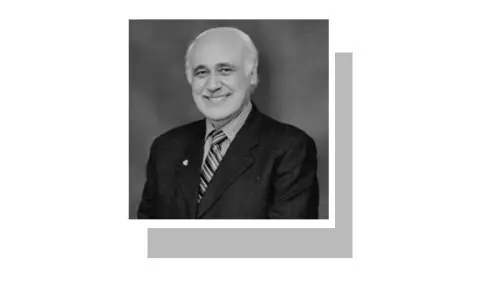
While pointing out that youth in Pakistan is about 60pc to 70pc of the country’s population but is marginalised to bring about a change unlike in India, Sri Lanka and Bangladesh, former Dean, Faculty of Social Sciences at Karachi University Prof Dr Moonis Ahmar said that time for change is still ripe here despite their not playing a pivotal role here.
“The Pakistan Tehreek-i-Insaf was a party of youth mostly but it is in serious trouble along with its leader,” he said, adding that the media here is not free leading to suffocation that leaves fertile ground for change.
“It is not that the 50 million Gen Z population here don’t have potential but they are subdued and divided on the basis of class, sects and various other grounds which holds them back from finding leadership and overthrow a system or challenge the status quo. They are a major generation of people who have a long way to go,” Dr Ahmar concluded.
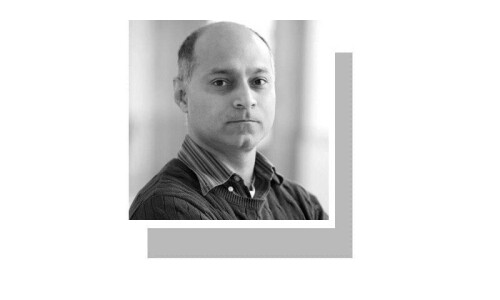
Columnist and research scholar Nadeem Farooq Paracha said that there is currently an intense spotlight on Gen Z. “Even before they could realise who they are, they already had a script written about them,” he said.
“So they are anxious people who are ‘quiet quitting’. They are under pressure to log off at 5pm, even if they may privately prefer to stay at work till late to advance their careers. But they are ‘quiet quitting’ out of peer pressure. It is an identity designed for them by others, it is a curated identity,” he said.
“Most youth uprisings were not predictable so they brought about revolutions,” he said.
Coming to the fall of Zulfikar Ali Bhutto’s government, he reminded that it was not the result of a revolution but a military coup. And Field Marshal Ayub Khan may have resigned after mass protests but he was replaced by General Yahya Khan also not bringing about a revolution. “For years now we have been seeing horizontal movements instead of vertical movements so they cannot be seen as revolutions. Gen Z needs a vertical model and a strong leadership to shake the government structure,” Paracha pointed out.
Dr Sajjad Ahmad of IBA Karachi spoke about Gen Z rising, protests, political change and the struggle for stability.
“Gen Z have also embarked on disruptive politics even though they have brought about positive change in some South Asian countries,” he said. “There is a new form of digitally networked political mobilisation. Their strength lies in their ability to rapidly transform localised grievances into a mass movement,” he said.
Syed Ehsan Ali Shah, a researcher at PIIA, spoke about Gen Z as the new architects of digital nationalism in South Asian politics.
“Gen Z is changing political identities and how national narratives are constructed and how protests are organised with technology at the centre of it all,” he said.
Published in Dawn, August 23rd, 2026