Rise in edible oil, flour prices fuels weekly inflation
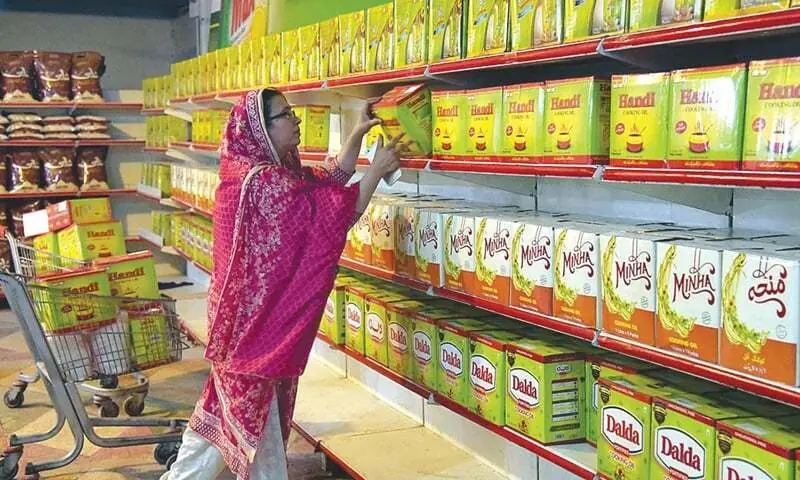


ISLAMABAD: Short-term inflation, measured by the Sensitive Price Index (SPI), rose by 9.29 per cent year-on-year for the week ending Aug 4, mainly due to rising prices of edible oil and wheat flour, according to official data released on Friday.
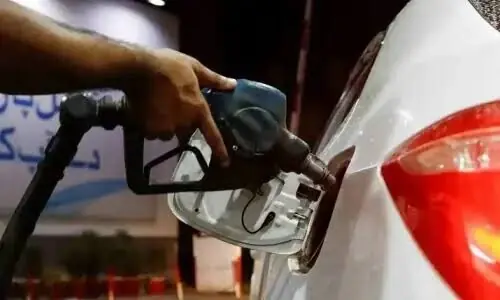
Short-term inflation has steadily risen, mainly driven by a sustained increase in daily petroleum prices over the past week, which has increased transportation costs and is also reflected in the prices of essential food items.
On a week-on-week basis, the index increased by 0.28pc, according to the Pakistan Bureau of Statistics.
Meanwhile, the National Price Monitoring Committee, headed by Planning Minister Ahsan Iqbal reviewed inflation trends and reported a deceleration in monthly inflation. The minister also ordered a nationwide survey of loose edible oil, ghee and milk over the increasing incidents of cardiovascular diseases and other non-communicable illnesses, particularly among younger Pakistanis.
Planning minister orders loose food survey after 36pc packaged food samples fail
Quality assessment
The Ministry of Science and Technology presented a quality assessment report to the committee on packaged edible oil, ghee and milk products.
A total of 491 samples of packaged edible oil, ghee and milk products were collected and tested by PCSIR, with the consolidated findings submitted by PSQCA.
Of these, 315 samples were found conforming to the prescribed national quality standards, while 176 samples failed to meet the required specifications, indicating a non-conformance rate of approximately 36pc.
The report showed that 98 out of 204 banaspati ghee samples, 40 out of 146 blended cooking oil samples, 26 out of 104 packaged liquid milk samples, 8 out of 18 milk powder samples, three out of four refined palm oil samples, and one out of 13 refined canola oil samples failed to conform to the prescribed standards.
To ensure a thorough scientific evaluation of the findings, a specialised technical sub-committee was constituted to critically analyse the laboratory findings and submit evidence-based recommendations to the committee for appropriate regulatory and policy action.
Iqbal directed that the next phase of the exercise should focus on the quality assessment of loose edible oil, ghee and milk, which were not included in the laboratory testing of packaged products.
He instructed all provincial governments, regional administrations, and relevant authorities to undertake a comprehensive nationwide survey of these loose food items, identify regional quality patterns, determine the causes of quality deficiencies, and recommend practical measures to strengthen food safety standards, regulatory oversight, and consumer protection.
The committee also reviewed the country’s inflation outlook, monthly and weekly price trends, wholesale-retail price differentials, international and domestic prices of essential commodities, LPG prices and the implementation status of previous decisions.
The committee was informed that natural gas remained the largest contributor to inflation, while housing, wheat flour, fresh milk and petrol continued to exert upward pressure on prices. Conversely, lower prices of sugar, potatoes and chicken helped moderate overall inflation.
It reviewed international price trends of major commodities to assess their potential implications for domestic markets.
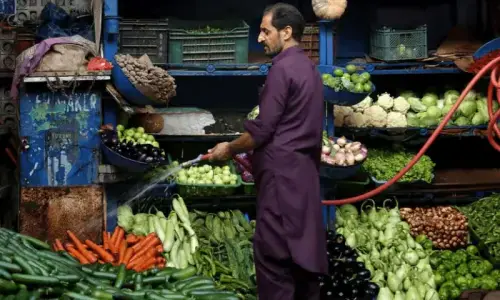
The items whose prices increased the most over the previous week included onions (10.14pc), chicken (9.19pc), pulse gram (2.43pc), chilli powder (1.01pc), mustard oil (0.99pc), tea Lipton (0.57pc), wheat flour (0.52pc), vegetable ghee 1kg (0.37pc), firewood (0.32pc) and washing soap (0.08pc).
The items whose prices declined week-on-week included tomatoes (6.82pc), LPG (1.90pc), diesel (1.66pc), bananas (1.20pc), petrol (0.63pc), sugar (0.51pc), bread plain (0.29pc), and eggs & potatoes (0.09pc) each.
Published in Dawn, August 8th, 2026