Hezbollah chief, Lebanese PM trade barbs over talks with Israel
• Qassem says talks will bring Lebanon ‘nothing but shame, humiliation’
• Salam accuses group of ‘helping Israel’
• Talks between both sides continue in Rome
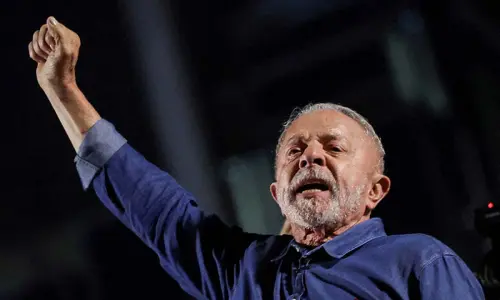
BEIRUT: Hezbollah’s chief said on Tuesday that direct talks between Lebanon and Israel would bring only “humiliation” for Lebanon and accused authorities of helping Israel, prompting Lebanon’s prime minister to hit back.
The statement came as Lebanon and Israel were preparing to hold a fresh round of direct talks in Rome under US sponsorship, the seventh such meeting since the outbreak of the US-Iran war.
“All the direct negotiations will bring Lebanon nothing but shame, humiliation, disappointment and successive concessions,” Hezbollah chief Naim Qassem said in a televised address.
He said Lebanese President Joseph Aoun “has not acted as an arbiter, nor as a unifying figure, but has become biased and divisive, which is incompatible with his role and with Lebanon’s strength”.
The head of the Iran-backed group also accused Lebanese authorities of having “helped Israel instead of helping Lebanon’s sovereignty” by continuing with negotiations that he said had handed Israel “political gains”.
PM Salam’s riposte
Prime Minister Nawaf Salam hit back on X, saying “the greatest help to Israel was provided by those who unilaterally drew Lebanon into the adventures of futile wars… and granted it pretexts to attack our country”.
“Those who unilaterally take the decision of war and try to continue to seize the state’s decision-making, and to tie Lebanon to foreign calculations and axes, ignoring the interests of their community and the Lebanese in general, are not fit to lecture on patriotism, not to mention on sovereignty,” Salam added.
“Lebanon has no sovereignty except for the sole independent decision of the state with one army which extends its authority over all its territory,” Salam added.
Hezbollah has repeatedly rejected the direct talks and refuses to surrender its weapons.
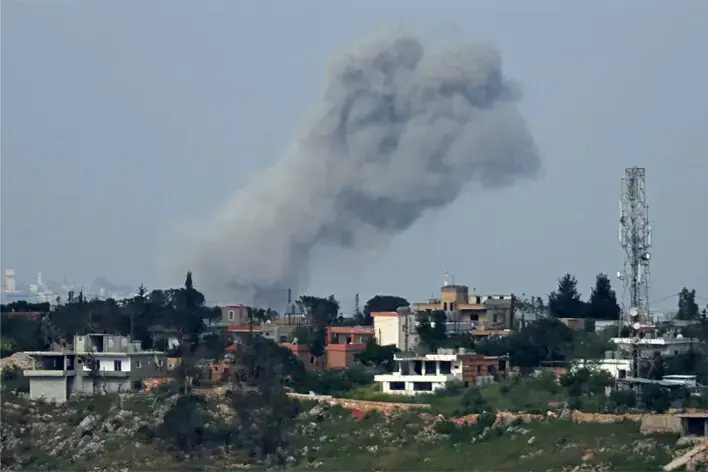
Violence has decreased since the Lebanon-Israel deal, but Lebanon continues to report intermittent Israeli strikes, shelling and heavy demolitions in southern villages and towns.
“Shouldn’t the systematic destruction of southern villages and towns… be reason for the political authorities to say, ‘We don’t want dialogue with the Israeli entity’”, Qassem said.
He vowed “to make the utmost effort to provide the means for shelter, repairs and reconstruction”, cautioning however that this would require “patience”.
Direct talks
Meanwhile, Lebanon and Israel held a fresh round of US-sponsored talks in Rome on Tuesday, with Beirut seeking Israel’s phased withdrawal from the south.
This week’s negotiations are the seventh round of Washington-mediated talks since the outbreak of the US-Iran war on Feb 28.
On Monday, Italian Foreign Minister Antonio Tajani urged Lebanon and Israel to “continue in a constructive spirit, identifying shared solutions that will allow for the full implementation of the framework agreement”.
After talks last month, Israel’s military withdrew from the outskirts of the village of Zawtar al Gharbiya, one of the first pilot zones.
The Lebanese army deployed to the area and has allowed residents to inspect their homes and businesses.
Published in Dawn, August 5th, 2026