Water Under Pressure: How a Changing World Must Rethink Every Drop from Source to Waste
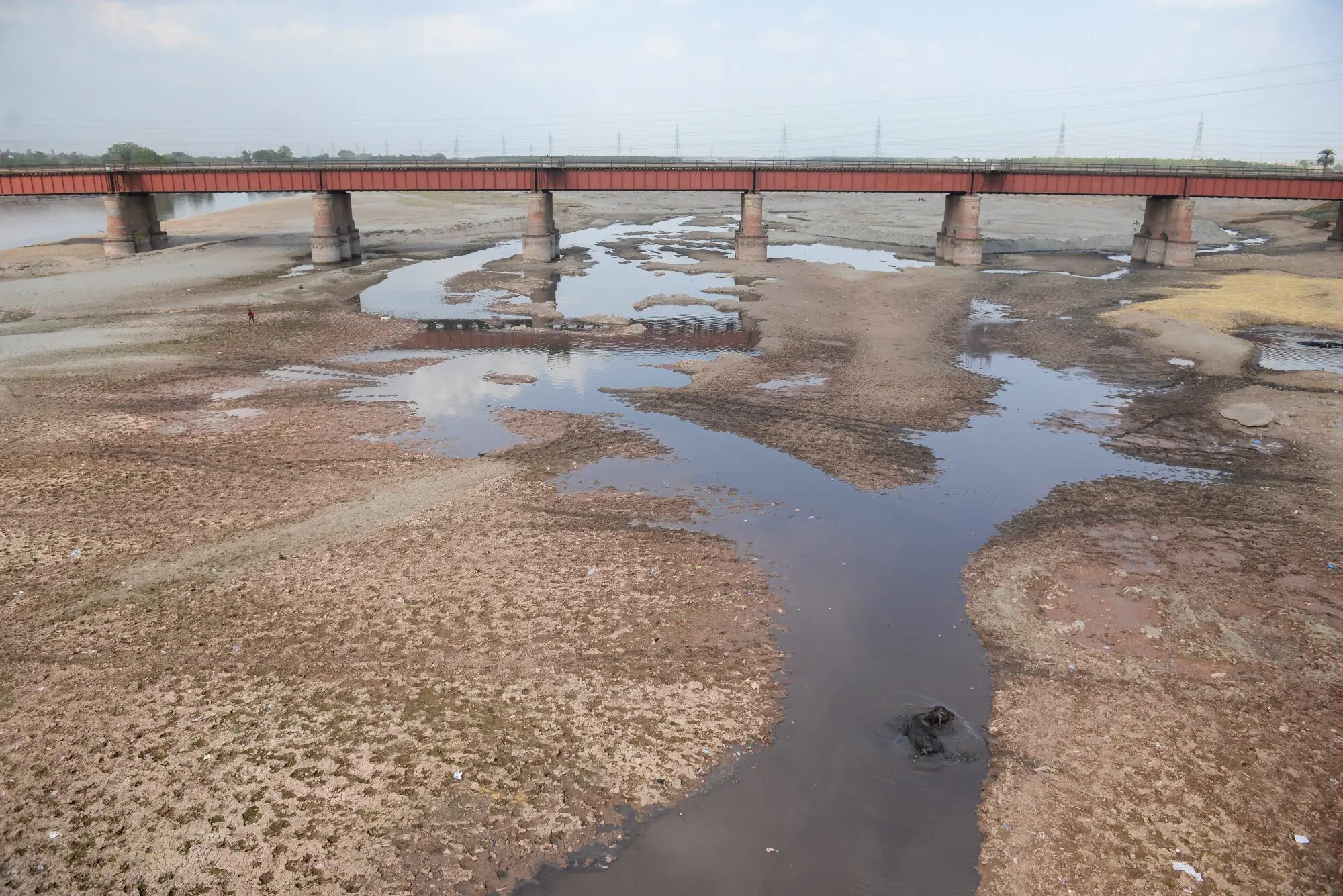
Water is the foundation of life, yet the world is rapidly approaching a point where access to clean and reliable water can no longer be taken for granted. From agriculture and industry to energy production and urban development, every major human activity depends on water. However, population growth, climate change, pollution, and unsustainable consumption are placing unprecedented pressure on freshwater resources.
Although nearly 71 percent of the Earth’s surface is covered by water, only about 2.5 percent is freshwater, and only a much smaller fraction is readily available for human use. Most freshwater is stored in glaciers, ice sheets, and underground aquifers, making accessible clean water a limited and increasingly vulnerable resource.
According to the United Nations World Water Development Report, global water demand has been increasing by approximately 1 percent annually over recent decades and is expected to continue rising due to population growth, economic development, and changing consumption patterns. By 2050, global water demand is projected to increase significantly, particularly in regions experiencing rapid urbanization and industrial expansion.
The largest share of freshwater use worldwide is linked to agriculture. Approximately 70 percent of global freshwater withdrawals are used for agricultural activities, making food production the most water-intensive sector. Irrigation has transformed agricultural productivity across many regions, but excessive water extraction has also contributed to declining groundwater levels and ecosystem degradation.
The relationship between water and food production is often underestimated. Producing food requires enormous amounts of water throughout the supply chain. Rice cultivation requires large volumes of water because fields are traditionally flooded during production. Producing one kilogram of rice can require around 2,500 litres of water, depending on climate and farming practices.
Cotton, one of the world’s most important agricultural commodities, is also highly water-intensive due to irrigation requirements and processing activities. Livestock production requires even greater water inputs because water is needed not only for the animals themselves but also for producing animal feed.
Industrial development has created another major demand for freshwater resources. Manufacturing sectors depend on water for processing, cooling, cleaning, and producing raw materials. Industries such as textiles, leather, chemicals, pharmaceuticals, food processing, mining, and electronics require substantial quantities of water.
The textile industry provides a clear example of the connection between water consumption and pollution. Textile dyeing and finishing processes require large amounts of water and generate wastewater containing synthetic dyes, salts, organic chemicals, and heavy metals. Globally, textile production is estimated to be responsible for a significant share of industrial wastewater pollution because untreated effluents can enter rivers and groundwater systems.
Pakistan’s textile sector, one of the country’s largest export industries, demonstrates both the economic importance of water and the environmental challenges associated with industrial growth. Textile factories require reliable water supplies for production, while wastewater treatment remains essential to prevent contamination of surrounding ecosystems.
The energy sector is another major user of water. Conventional power plants, particularly coal-, oil-, and gas-based facilities, require water for cooling and steam generation. Hydropower production depends directly on river flows and reservoir availability. Climate change is increasingly affecting energy-water relationships by altering rainfall patterns, increasing evaporation rates, and creating uncertainty in water availability.
Urbanization has added another layer of complexity. More than half of the global population now lives in urban areas, and this figure is expected to reach nearly 70 percent by 2050, according to United Nations projections. Cities require water not only for drinking but also for sanitation, industry, commercial activities, and public services.
However, urban wastewater management remains one of the world’s greatest challenges. The United Nations estimates that more than 80 percent of wastewater generated globally is discharged into the environment without adequate treatment. This untreated wastewater carries organic pollutants, pathogens, nutrients, chemicals, and industrial contaminants into rivers, lakes, and coastal ecosystems.
Wastewater, however, should not be viewed only as a pollution problem. With appropriate treatment technologies, it can become a valuable resource. Treated wastewater can be reused for industrial cooling, agricultural irrigation, urban landscaping, and groundwater recharge. Countries facing water stress, including Singapore and Israel, have demonstrated how advanced wastewater treatment and recycling can strengthen water security.
Water pollution has also become increasingly linked with toxic chemical contamination. Industrial activities, mining operations, agricultural practices, and improper waste disposal can introduce hazardous substances into water systems. Heavy metals such as arsenic, lead, chromium, mercury, and cadmium are among the most concerning pollutants because they persist in the environment and can accumulate in living organisms.
Scientific studies have demonstrated that heavy metals can move through ecosystems and enter the human food chain. Contaminated water used for irrigation can allow these metals to accumulate in agricultural soils and crops. Long-term exposure to certain heavy metals has been associated with neurological disorders, kidney damage, cardiovascular disease, and an increased risk of certain cancers.
Pakistan faces many of these interconnected water challenges. The country depends heavily on the Indus River Basin, which supports agriculture, industry, and millions of livelihoods. More than 90 percent of Pakistan’s freshwater resources are used for agriculture, making water availability essential for national food security.
However, Pakistan is among the countries most vulnerable to climate-related water challenges. Rising temperatures, changing glacier dynamics, unpredictable rainfall, and extreme events such as floods and droughts are affecting water availability. The devastating floods of 2022 highlighted the country’s vulnerability, causing widespread destruction while also creating challenges related to water contamination and sanitation.
Water quality is another major concern. Industrial wastewater, agricultural runoff, and untreated municipal sewage continue to contaminate rivers and other water sources. Studies conducted in different regions of Pakistan have reported concerns related to microbial contamination, salinity, arsenic, and heavy metals. The Indus Plain, particularly parts of Sindh and Punjab, has received considerable scientific attention because of groundwater arsenic risks associated with both geological conditions and human activities.
Addressing the global water crisis requires strong governance, scientific research, and international cooperation. The United Nations Sustainable Development Goal 6 aims to ensure the availability and sustainable management of water and sanitation for all. Progress towards this goal requires reducing pollution, improving wastewater treatment, increasing water-use efficiency, and protecting ecosystems.
Pakistan has established important policy mechanisms, including the National Water Policy 2018, the Pakistan Environmental Protection Act 1997, and provincial environmental protection regulations. These frameworks provide a foundation for managing water resources, controlling pollution, and improving environmental compliance.
Nevertheless, policies must be supported by effective implementation. Pakistan requires stronger water monitoring networks, improved industrial wastewater treatment, sustainable agricultural practices, modern water management technologies, and greater public awareness of water conservation and responsible water use.
The future of water security depends on changing the way societies value and manage water. Water is not simply a resource to be extracted and consumed; it is a shared natural system that connects ecosystems, economies, and human health.
Protecting water requires action from governments, industry, scientists, communities, and individuals alike. The decisions made today will determine whether future generations inherit a world with secure access to clean water or face increasing competition for a resource essential to every aspect of life.
Editor’s Note: This article is part of the Breathe Pakistan blog. The views and opinions expressed in this article are those of the author and do not necessarily reflect the views of Breathe Pakistan or Dawn.