

Beyond Approval: Why Environmental Impact Assessment Matters More in the Climate Crisis
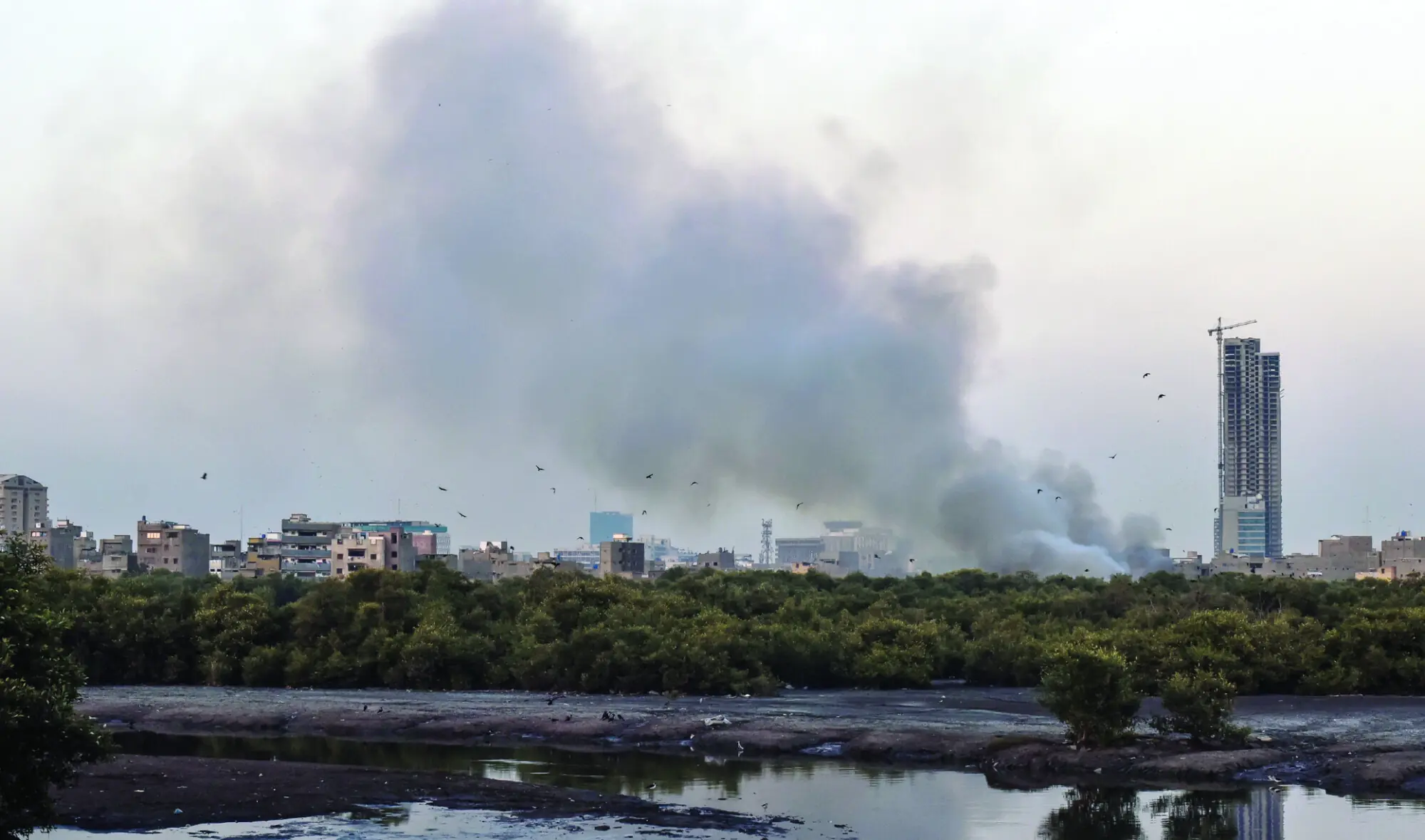

Climate change has changed the way we understand development. A project that may appear economically beneficial today can create environmental, social, and financial challenges tomorrow if climate risks and ecological impacts are not properly considered. In Pakistan, where climate vulnerability is increasing rapidly, Environmental Impact Assessment (EIA) is no longer just a regulatory requirement, it is an essential tool for building resilience and ensuring responsible development.
The devastating floods of 2022 demonstrated the scale of Pakistan’s climate vulnerability. The disaster affected millions of people, damaged infrastructure, disrupted livelihoods, and highlighted the urgent need to integrate climate risks into development planning. While Pakistan’s contribution to global greenhouse gas emissions is comparatively low, it remains among the countries facing severe climate impacts due to its geographic exposure and socioeconomic challenges.
In this changing environment, the role of EIA must evolve. It cannot remain limited to a technical document prepared before construction begins. Instead, it should become a continuous process that guides projects throughout their entire life cycle, from planning and construction to operation and monitoring.
Environmental Impact Assessment was developed to ensure that development activities consider their potential effects on ecosystems, communities, natural resources, and public health. A well-prepared EIA identifies risks, proposes mitigation measures, and helps decision-makers balance development needs with environmental protection.
However, the real effectiveness of an EIA depends on what happens after approval. A project may receive environmental approval, but environmental responsibility does not end with the issuance of an approval letter. The implementation of environmental management plans, compliance with environmental standards, monitoring of emissions and waste, protection of biodiversity, and response to environmental risks determine whether an approved project actually becomes sustainable.
This is where environmental governance faces one of its greatest challenges: moving from approval-based regulation towards compliance-based environmental management.
Pakistan has established environmental laws to regulate development activities and protect environmental resources. In Sindh, the Sindh Environmental Protection Act, 2014 provides the legal foundation for environmental protection, including environmental assessment, monitoring, inspections, enforcement measures, and action against violations.
The purpose of environmental legislation is not to stop development but to ensure that development takes place responsibly. Environmental compliance protects communities, reduces future risks, improves resource efficiency, and supports long-term economic sustainability.
The challenge is ensuring that environmental commitments made during the assessment stage remain active throughout the operational phase of projects. Environmental conditions should not become a formality; they should become part of routine decision-making within industries and development organisations.
The climate crisis has expanded the scope of environmental assessment. Traditional EIAs focused mainly on pollution control, waste management, land impacts, and ecological concerns. These remain essential, but current realities require a broader approach.
Modern EIAs should also consider:
-
Climate-related risks such as floods, heatwaves, droughts, and water shortages.
-
Greenhouse gas emissions and opportunities for reduction.
-
Energy and resource efficiency.
-
Biodiversity conservation.
-
Ecosystem services.
-
Long-term resilience of infrastructure.
Climate research increasingly highlights the importance of integrating adaptation and resilience into development planning. For Pakistan, climate-informed EIAs are particularly important because infrastructure and industrial decisions made today will influence environmental outcomes for decades.
A climate-resilient project is not only one that reduces environmental harm; it is also one that can continue functioning under future climate pressures.
Environmental regulation is sometimes viewed only as a system of restrictions and penalties. However, effective environmental governance should also encourage innovation, cleaner production, and technological transition.
Across many sectors, cleaner technologies and improved environmental practices demonstrate that environmental compliance can support both environmental protection and economic efficiency. Environmental regulation should create pathways for continuous improvement by encouraging industries to adopt cleaner technologies while meeting environmental standards.
Similarly, emerging waste management, resource recovery, and other environmentally focused technologies require careful environmental assessment. Their long-term success depends on appropriate site selection, effective emission controls, responsible waste management systems, and continuous monitoring.
Innovation without environmental responsibility can create new risks. Innovation supported by strong environmental governance, however, can become an important part of the solution.
The scale and complexity of today’s environmental challenges require stronger monitoring approaches. Traditional inspections remain important, but modern environmental management can benefit from digital solutions. Geographic Information Systems (GIS), remote sensing, satellite monitoring, digital compliance systems, and real-time environmental monitoring can improve transparency and help identify problems at an early stage.
Public access to environmental information is equally important. Communities living near industrial and development projects often experience environmental impacts directly. Their participation, observations, and engagement can strengthen environmental decision-making.
Environmental responsibility must also become part of organisational culture. Compliance cannot remain the responsibility of environmental departments alone. Engineers, managers, contractors, and operational teams all influence environmental performance through their daily decisions.
Pakistan’s climate challenges require stronger environmental governance across all sectors. Climate resilience cannot be achieved through climate policies alone; it must be reflected in industrial development, infrastructure planning, energy decisions, urban growth, and natural resource management.
Environmental Impact Assessment provides one of the strongest tools available to achieve this balance. But its success depends on changing the way we view it. The purpose of an EIA is not simply to answer whether a project can proceed. The purpose is to guide how a project can proceed responsibly.
The success of environmental governance should not be measured by the number of EIAs approved or projects completed. It should be measured by cleaner air, protected ecosystems, healthier communities, resilient infrastructure, and development that remains sustainable for future generations.
In the era of climate change, an EIA is not the end of environmental responsibility. It is just the beginning.
Editor’s Note: This article is part of the Breathe Pakistan blog. The views and opinions expressed in this article are those of the author and do not necessarily reflect the views of Breathe Pakistan or Dawn.


























