FIA sets up investigation unit to trace criminals operating on the dark web
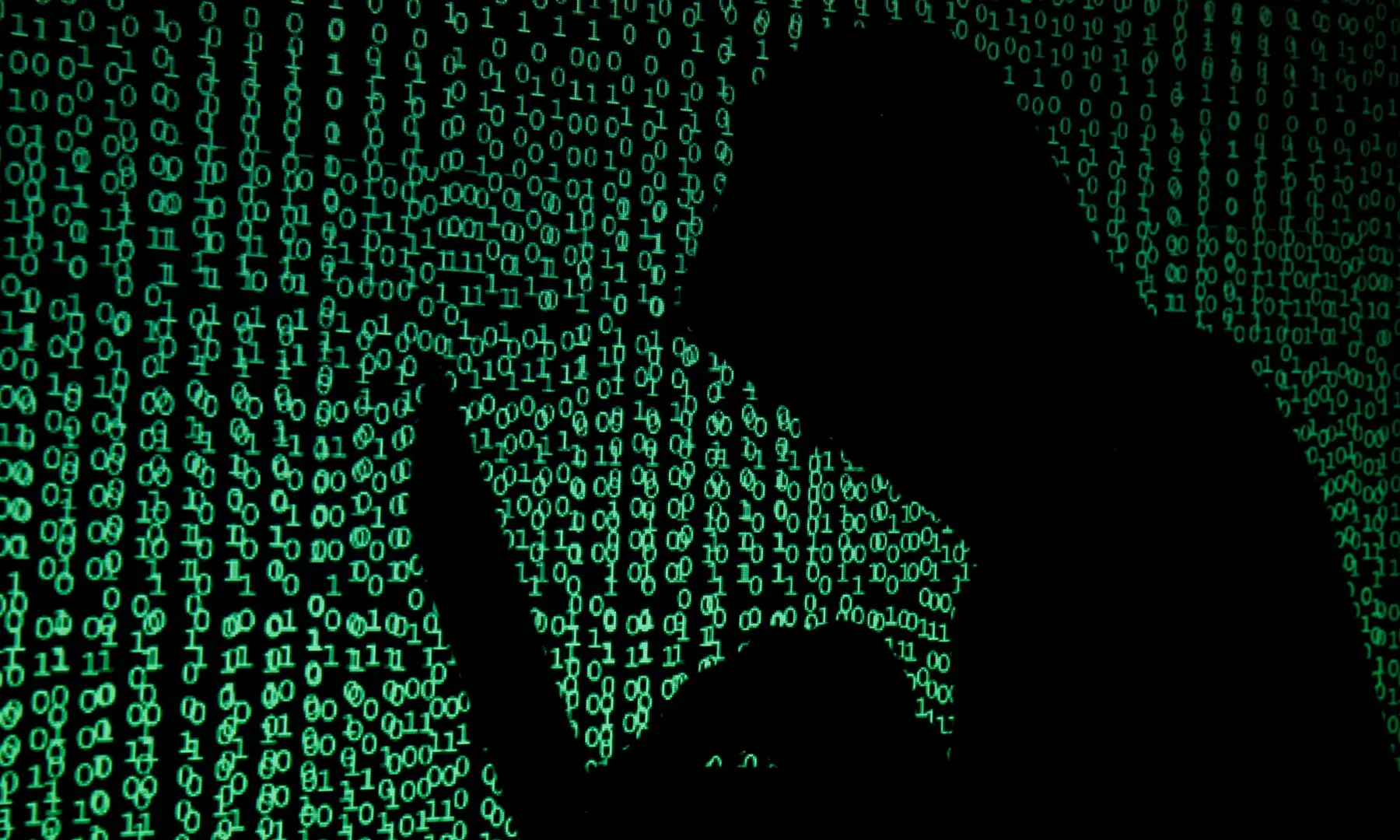


ISLAMABAD: The Federal Investigation Agency (FIA) has set up a dedicated dark web investigation unit to track and prosecute criminals operating in the shadowy realm, to effectively counter threats to the country’s interests emanating from encrypted online platforms, officials said on Saturday.
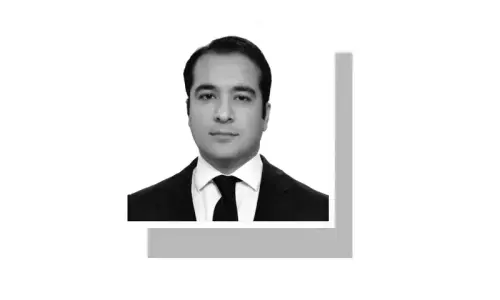
Housed in the state-of-the-art National Command and Control Centre (NC3) at FIA headquarters, the unit will use modern technology to overcome obfuscation techniques employed by criminals to identify them, track dubious transactions usually carried out through cryptocurrency, and execute enforcement actions, FIA Director General Dr Usman Anwar told Dawn.
He said the unit will focus on tracing criminal networks involved in creating illegal documents that facilitate human trafficking and illegal migrant smuggling and other similar subjects within the ambit of the FIA.
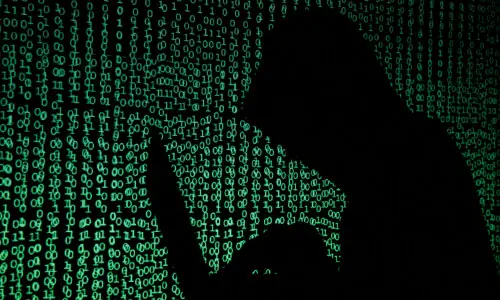
The dark web refers to websites that are not indexed by search engines, and are usually encrypted, only accessible through specialised browsers. It can be an effective cloak for criminals because it leverages cutting-edge technologies to hide their identity.
Criminals take advantage of its decentralisation and anonymity to indulge in numerous illegal activities, including hiring a hitman for assassination, trading drugs and weapons, selling stolen classified data and credentials, terrorism, piracy, malware, and hacking tools.
There is no clear path for conducting investigations and enforcement action on businesses that operate on the dark web. These businesses are not only decentralised, but the criminal activities they facilitate tend to be transnational. The only way for authorities to respond is to fight technology with technology and forge greater international cooperation.
DG Anwar said that working hand in hand with the cryptocurrency investigation unit under the same roof, the dark web investigation unit would use its blockchain forensic capability to connect pseudonymous addresses to real-world identities using open-source intelligence (Osint) as an additional tool for better investigative outcomes with documentary evidence.
“We will leverage advanced tools and methodologies to meticulously investigate individuals on the dark web, cross-referencing aliases, usernames, and pseudonyms across marketplaces, forums and sites,” the FIA DG said.
He added that the investigative process would help build detailed profiles of criminal actors, enabling authorities to bring them to justice.
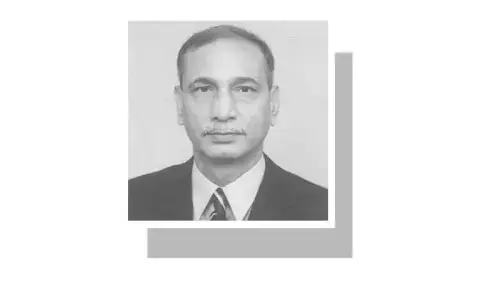
FIA’s NC3 Director Dr Athar Waheed explained that the internet was often described in three layers: the surface web, the deep web, and the dark web. These layers differ in visibility, accessibility and intended use.
The surface web consists of publicly accessible websites indexed by standard search engines like Google. It includes news sites, blogs, online stores, and social media platforms. Anyone with a browser and internet connection can access these pages without special tools or permissions.
The deep web refers to all web content that is not indexed by search engines. This includes databases, academic journals behind paywalls, webmail accounts, online banking, and intranet systems. Although not visible to search engines, these resources are typically legitimate and require credentials, subscriptions, or specific queries to access.
The dark web is a subset of the deep web that is intentionally hidden and accessible only through specialised anonymity-preserving software, such as Tor (The Onion Router).
The NC3 director explained that Tor was an open-source overlay network built on free and open-source software run by over 7,000 volunteer-operated relays worldwide, as well as by millions of users who route their internet traffic via random paths through these relays, enabling anonymous communication.
Unlike the deep web, which primarily consists of private but conventional web content, the dark web includes hidden services that use encryption and obscure IP addresses to protect identities. Accessing it requires knowledge of its specific tools and protocols.