US unveils new tariffs on 60 trade partners, including Pakistan, over forced labour concerns
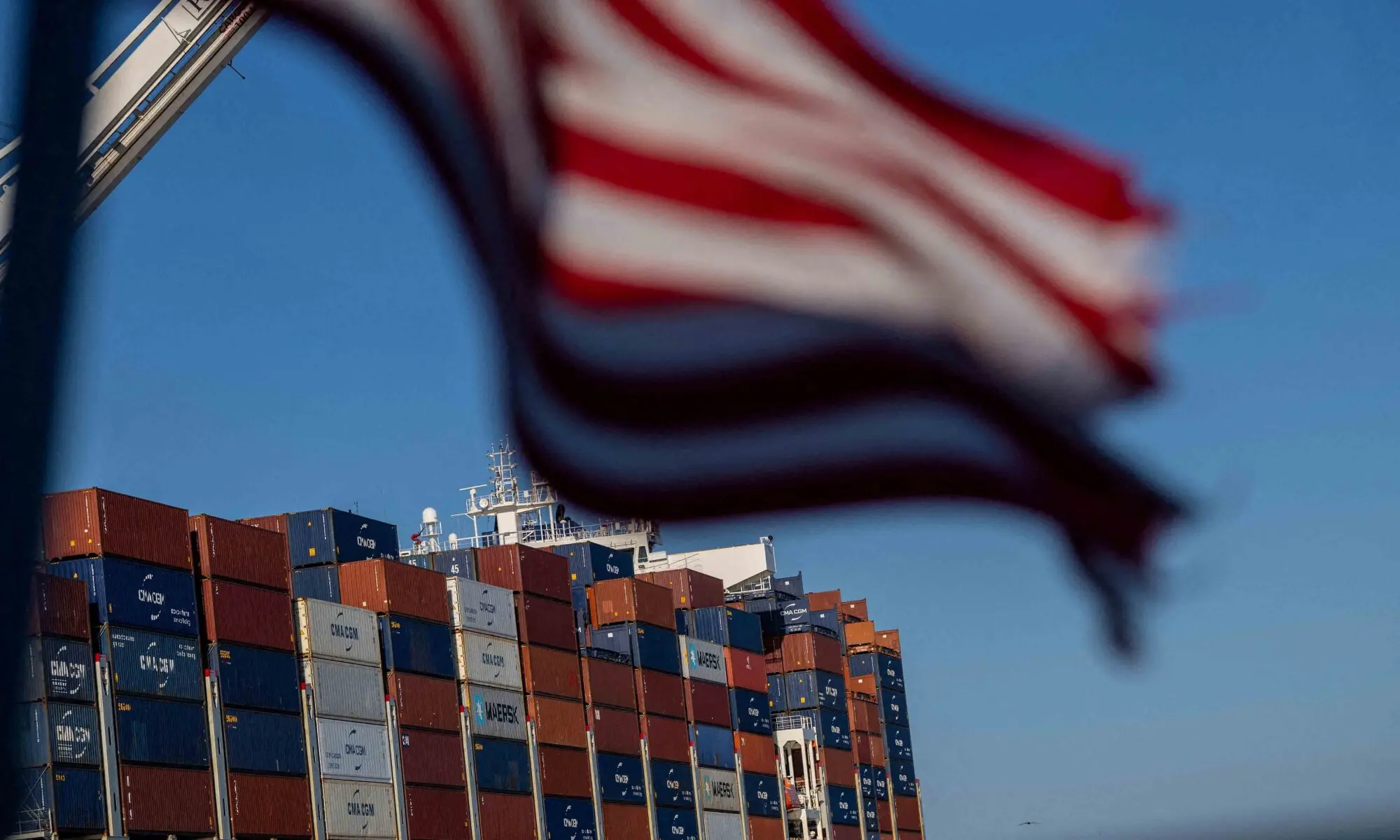
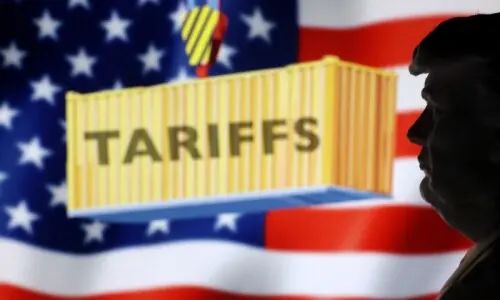
The United States said on Thursday that it would impose new tariffs on 60 trading partners, including Pakistan, India, China and the European Union, over forced labour concerns, replacing an expiring global duty rolled out by US President Donald Trump earlier this year.
The levies, effective Friday, range from 10 per cent to 12.5pc.
“The United States has had a forced labor import ban for nearly a century, and rigorously enforces it; it’s well past time for our trading partners to do the same,” said US Trade Representative Jamieson Greer.
He earlier added that targeted economies represent the majority of US trade.
The Trump administration has moved swiftly to rebuild the president’s tariff wall after the Supreme Court struck down a host of his duties in February — dealing a blow to his ability to unleash steep levies at will.
After the setback, Trump tapped different authorities to reimpose a 10pc tariff on imports. But this only lasts 150 days, expiring Friday.
The volley of new duties, initially proposed in June, will now take its place.The measures were planned after a months-long investigation and are considered more resistant to legal challenges than earlier moves.
Under the final determination, the US will impose a 10pc duty on goods of Argentina, Bangladesh, Britain, Cambodia, Canada, Ecuador, El Salvador, Guatemala, Honduras, India, Indonesia, Jordan, Malaysia, Mexico, Pakistan, Sri Lanka, Trinidad and Tobago.
The European Union, Taiwan, Japan, South Korea and Switzerland were assigned rates that, combined with pre-existing most-favored-nation tariff rates, would total 10pc or 12.5pc.
The other 38 countries, including China, were assigned a 12.5pc rate.
The new levies received swift condemnation from target countries.
Japanese government spokesman Minoru Kihara said Tokyo “regrets” the tariffs, given the higher rate is “solely on the grounds that there is no ban on the import of products produced through forced labour”.
Australia’s trade minister Don Farrell decried the tariffs as “unjustified,” arguing they were “inconsistent with our free trade agreement, and should be removed”.
Goods already facing sector-specific tariffs — like steel and aluminum — will not be impacted.
Certain energy products and fertilisers will be exempt too, alongside goods covered by the US-Mexico-Canada free trade pact, a US official told reporters.
It is worth mentioning that Islamabad had submitted detailed responses to the USTR, including another submission ahead of trade talks earlier this month regarding the forced labour investigations.
Maintaining leverage
Washington is separately investigating 16 economies over excess industrial capacity, in probes that could lead to additional duties. These could result in varying rates among countries eventually, experts warn.
The Trump administration’s move to impose a baseline tariff while sustaining the threat of further duties maintains leverage over its trading partners, trade lawyer Greta Peisch told AFP.
It also creates an incentive for countries to comply with trade pacts that they earlier struck, she added.
In spending time on investigations, officials want their incoming tariffs to be robust if there are court challenges, said Peisch, a former general counsel for the Office of the US Trade Representative, who is now a partner at Wiley Rein.
“This makes it much more likely that they stay for the duration of Trump’s term,” signaling a “much more protectionist world’s largest economy” moving forward, Josh Lipsky of the Atlantic Council told AFP.
Resurrecting tariffs boosts government revenues too, he added.
‘Fragile’ deals
The latest salvo comes shortly after a 25pc tariff took effect on various Brazilian goods, as Washington accused the Latin American giant of unfair trade practices.
This week, Trump also ordered new 50-percent tariffs on many Canadian products, citing Ottawa’s “discriminatory treatment” of American alcohol, automobiles and dairy products.
The Canadian tariffs taking effect in a month rely on an untested legal provision, showing that Trump has other tools to swiftly wield, said Lipsky.
This signals that US tariff deals “are still fragile,” he said.
Nonetheless, the EU, which has signed a trade pact, expects that Washington “will honour the commitments that are spelled out under the EU-US Joint Statement”.