Two decades of mass protests in India
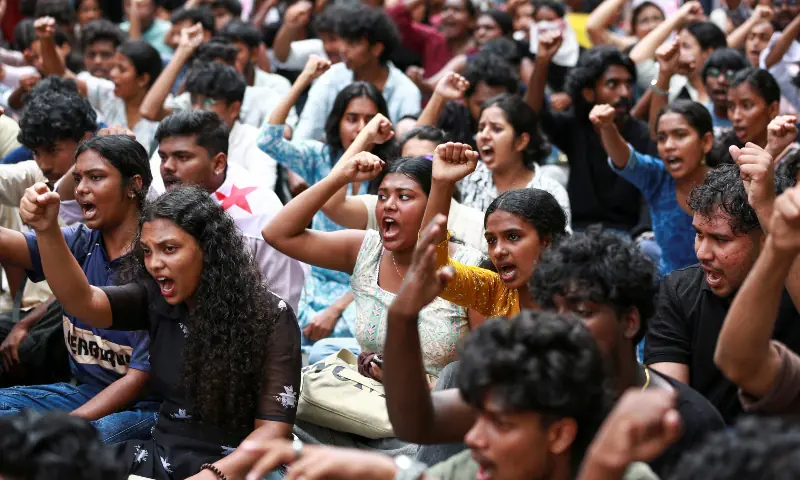
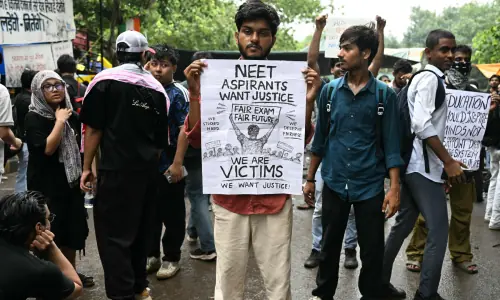
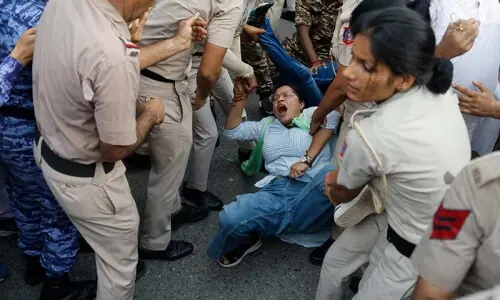
Thousands of supporters of India’s youth-led “cockroach” movement have been protesting since June, demanding the education minister resign over exam paper leaks, in the biggest challenge to Prime Minister Narendra Modi in his third term.
Activists say the leaks showed widespread corruption, a complaint which has brought crowds onto the streets for years. Following are details of major rallies, triggered by graft and other crimes and causes, over the past two decades.
April 2011
Anti-corruption activist Anna Hazare started the first of two hunger strikes in a bid to push the government to bring in anti-graft legislation.
Hundreds of thousands rallied to his support across the country and he was briefly jailed by the then-Congress alliance government.
India’s parliament eventually passed an anti-graft law, though Hazare said it watered down his demands. Some of his supporters went on to form the Aam Aadmi Party in 2012, now one of Modi’s opponents in parliament.
December 2012
Public fury over the gang-rape of a young woman on a moving bus in New Delhi erupted into mass protests in the capital.
Crowds blockaded roads, broke through police lines in street confrontations and called for an overhaul of a system and a society they said had failed to tackle violence against women. Many demanded the culprits be executed.
The 23-year-old woman died in a Singapore hospital a few days after the attack. In response, India amended laws to expand the definition of sexual assault and set up fast-track courts to speed up trials in such cases.
December 2019
India’s parliament passed a new citizenship law that brought hundreds of thousands of people to the streets in protests and triggered bouts of sectarian violence that killed at least 76 people.
The Citizenship Amendment Act aimed to fast-track citizenship for Hindus, Parsis, Sikhs, Buddhists, Jains and Christians who arrived in India on or before December 31, 2014 from neighbouring Muslim-majority Afghanistan, Bangladesh and Pakistan.
Critics said the law, alongside a proposed national register of citizens, discriminated against Muslims and violated the spirit of India’s secular constitution. Some feared the government would remove the citizenship of Muslims without documents in some border states.
India implemented the law in March 2024.
September 2020
Thousands of farmers blocked roads and railway tracks in protests against new legislation that they say could pave the way for the government to stop buying grain at guaranteed prices, leaving them at the mercy of private buyers.
Modi’s government defended the bills, saying they would help rid India’s vast agriculture sector of antiquated laws and allow farmers to sell to institutional buyers and big retailers.
The protests lasted more than a year before Modi repealed the laws.
June 2022
An overhaul of military recruitment, designed to bring in fitter, younger troops and reduce pension expenditure, triggered rail blockades and protests across the country.
Recruits, veterans and opposition leaders objected to the introduction of fixed four-year contracts, saying people would struggle to get other jobs once their service was over.
Modi’s government refused to roll back the programme but offered instead to reserve 10 per cent of state vacancies for those who had served the four years.
August 2024
Thousands of doctors took to the streets for months after the rape and murder of a trainee doctor in a government hospital in the eastern city of Kolkata.
Protesters demanded safer workplaces, a crackdown on violence against women and a swift investigation into the attack.