Breathing Through the Climate Crisis: Why Clean Air Must Become Pakistan’s National Priority
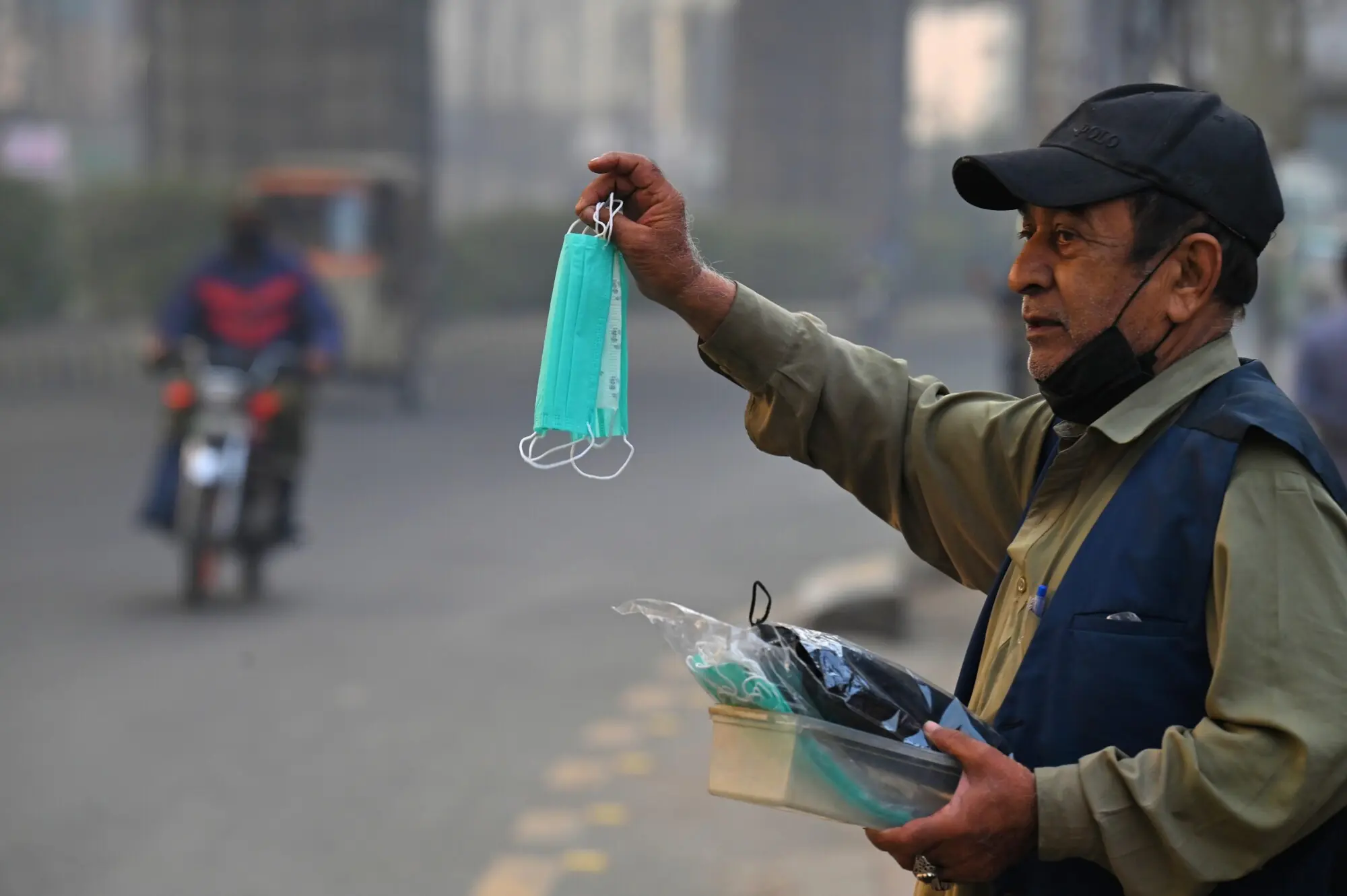
Every day, an average person in Pakistan takes more than 20,000 breaths. Yet in cities like Karachi, Lahore, Faisalabad, Hyderabad, and Peshawar, each breath increasingly carries invisible pollutants that quietly damage human health.
Air pollution is no longer a distant environmental concern but a present-day public health challenge unfolding across the country. Pakistan has consistently ranked among the countries most affected by poor air quality in recent global assessments, with fine particulate matter (PM2.5) levels in many urban centres frequently exceeding both the National Environmental Quality Standards (NEQS) and the World Health Organization (WHO) air quality guidelines. During winter months, smog episodes in Punjab and parts of Sindh reduce visibility, disrupt transport systems, and place significant pressure on healthcare systems due to rising respiratory illnesses.
What is often described as “haze” is, in reality, a complex mixture of toxic gases and particulate matter that penetrates deep into the lungs and bloodstream. Major sources of this pollution are well known. Vehicular emissions from outdated engines and fuel quality issues, industrial discharges, brick kilns, open waste burning, construction dust, and agricultural residue burning all contribute significantly. In rapidly urbanizing cities such as Karachi and Hyderabad, traffic congestion and unregulated industrial growth have intensified the burden. In many rural areas, solid fuel use and open burning add further pressure.
Through my professional experience working in environmental monitoring in Sindh, I have observed that air pollution is often underestimated until its health impacts become visible in communities. Even when data is available, gaps in public awareness and limited access to localized information reduce its impact on decision-making. Strengthening science-to-policy communication is therefore as important as technical monitoring itself.
The health impacts of air pollution are well documented. Long-term exposure contributes to asthma, chronic obstructive pulmonary disease (COPD), cardiovascular diseases, strokes, and premature mortality. Children and the elderly are especially vulnerable. During periods of poor air quality, hospitals often report an increase in patients presenting with respiratory illnesses. However, air pollution is not only a health issue but also a climate and development issue. Black carbon and certain air pollutants also contribute to climate warming while harming human health, creating a reinforcing cycle. Economically, the burden includes healthcare costs, lost productivity, school absenteeism, and ecosystem damage. Clean air is therefore not a luxury but a prerequisite for sustainable growth.
Despite these challenges, Pakistan is taking steps to address air pollution. Environmental agencies, research institutions, and civil society are working to improve monitoring and promote cleaner technologies. However, enforcement gaps, weak coordination between institutions, and limited continuity of policies often reduce long-term effectiveness. Stronger institutional frameworks and accountability mechanisms are essential to translate policies into measurable outcomes on the ground.
A comprehensive response must begin with strengthening air quality monitoring networks. Reliable and transparent data is essential for informed policymaking. Second, transportation reform is critical through improved public transport, cleaner fuel standards, electric mobility, and pedestrian-friendly cities. Third, industrial emissions must be controlled through cleaner technologies, stricter compliance, and incentives for green innovation. Fourth, waste management systems need urgent reform. Open burning of municipal waste continues to be a major yet preventable source of pollution. Investment in proper collection, recycling, and safe disposal systems can reduce emissions while creating green employment opportunities.
Finally, public awareness is the foundation of long-term change. Citizens must be empowered to understand the link between their daily actions and air quality. From reducing waste burning to using public transport and supporting tree-planting initiatives, collective action matters. Young people across Pakistan are already leading awareness campaigns and climate advocacy, demonstrating that meaningful change often begins at the grassroots.
Clean air is a shared responsibility that extends beyond government institutions. It requires collaboration between policymakers, scientists, industries, civil society, and citizens. Most importantly, it requires urgency. Every delayed action translates into continued health risks and environmental degradation.
Pakistan stands at a critical crossroads. The choices made today will determine whether future generations inherit cleaner skies or deeper environmental crises. Clean air is not a privilege reserved for a few but a fundamental right for all. Protecting it is essential for survival, dignity, and sustainable progress.
Editor’s Note: This article is part of the Breathe Pakistan blog. The views and opinions expressed in this article are those of the author and do not necessarily reflect the views of Breathe Pakistan or Dawn.