Visioning Karachi


 0
0

THERE is an ongoing heated debate centred on the need, or otherwise, of enacting a new constitutional construct for Karachi. The tone of the debate is mostly political, rooted in the never-ending power- and resource-sharing conflicts between the federation and provinces. As always, these political contestations lack focus on what really ails this city.
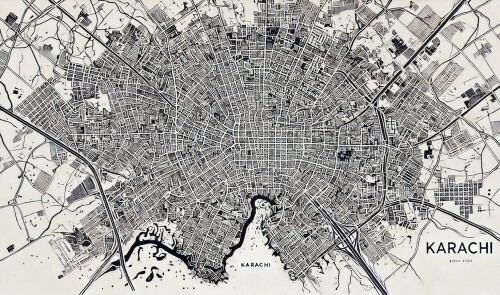
Karachi presently stands out as the antithesis of a liveable city. Sprawling endlessly, automobile-dependent, with half the population living in slums, and rapidly losing its green cover — this is the current state of urban affairs. However, arguments over the city’s plight, despite being confrontational, can, if properly channelled, offer a much-needed opportunity to forge a multi-stakeholder conversation around real issues.
There are some critical prerequisites meriting attention prior to initiating any master planning or development. To begin with, in a city where even the population figures are disputed, there is an urgent need to transparently document the city, thoroughly and consistently. This can lead to the creation of centralised databanks at appropriate levels of city governance, accessible to common citizens.
Then there are issues of political stability and clean and effective governance. Forging a political consensus for urban reforms, and crafting a shared vision for the future will be a critical enabler for ensuring law and order and sustainability of policy, planning and project-based interventions. Plans can only succeed when a city government is empowered with the requisite legitimacy, powers and willingness to be accountable to its citizens.
A divided city cannot become a sustainable city.
The governance construct needs a rethink. In cities globally, the government — rather than being the sole provider — has now become more a guarantor, insisting that all are provided for. This transformation creates space for informal actors to become part of the governance process. In Karachi, wherever the levers of decision-making may rest, an enabling space, presently absent, has to be created for the private sector, civil society organisations, and community groups to collaborate and partner with the government for improved urban development.
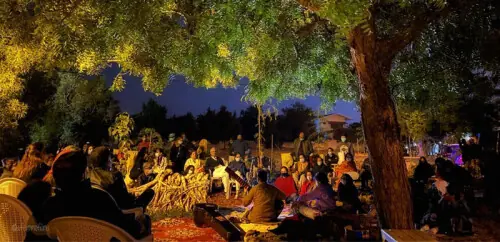
When moving beyond creating the prerequisites for sustainable change, the approach has to be holistic, which is currently fragmented. We need to be cognisant of the past, celebrate the present and embrace the future. Let’s talk about celebrating the present — our cultural, physical and human assets. Karachi, housing multiple ethnicities, linguistic, religious and cultural identities, instead of celebrating its diversity has become a fragmented city. A divided city cannot become a sustainable city. A socially and culturally vibrant city generates new economies with a focus on fairs, festivals, food, music, arts, clothing and craftsmanship.
The city needs to open up to become a part of an ongoing exciting global economic transition.
Investment in the economies of the future will not only give dividends in improved liveability but also create a positive impact in stemming the massive brain drain we currently face. Our youth — our future — are not finding any opportunities where they can invest their talents and capabilities in their own land.
The future beckons. We are presently experiencing the fourth wave of the industrial revolution. Artificial intelligence, robotics and the increasing digitalisation of all aspects of life are creating new kinds of urban spaces where technology is enabling smarter, more climate-friendly forms of built environment, modes of mobility, security, waste management and energy use.
Exciting new models of business and finance are emerging with a surge in start-ups and entrepreneurship, creating more opportunities for employment and business, and establishing green economies. We need to create an enabling space for all this. A shift to a green tech city development model could open up a new green, economic power base in the city. Walkable cities, a vibrant public space — all this becomes possible when a green vision gets synergised with technical innovation.
The city has been intensely defiled, a victim of political short-sightedness, vested agendas of a few and rising levels of incompetence, corruption and neglect. For a city as diversified, fragmented and complicated as Karachi, any transition will only have optimal benefits if they are embedded within a shared vision that places within its umbrella all critical stakeholders.
Let not engage in another political tussle, lacking focus and causing further harm. Let’s conduct a real diagnosis and address social injustice, inequity and physical degradation — the festering wounds of this city.
The writer is an urban planner and associate professor of practice, Habib University.
farhan.anwar@ahss.habib.edu.pk
Published in Dawn, July 1st, 2026