Nuclear renaissance: giving way to small modular reactors


 0
0
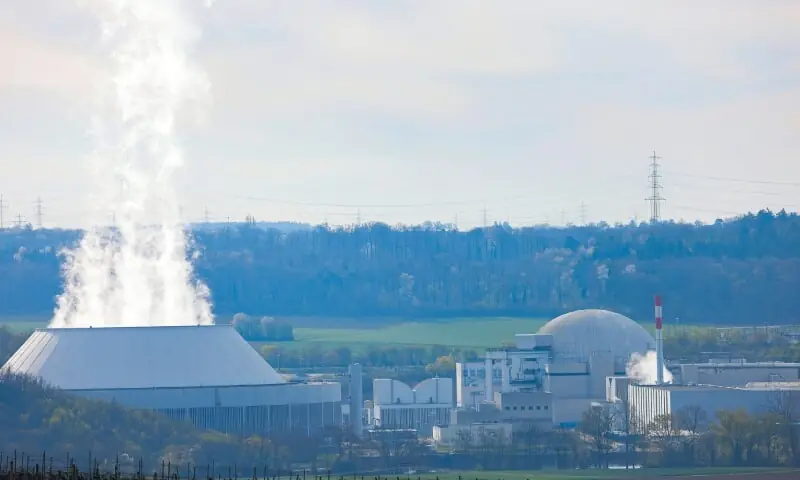

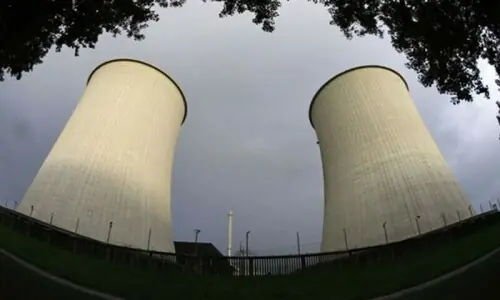
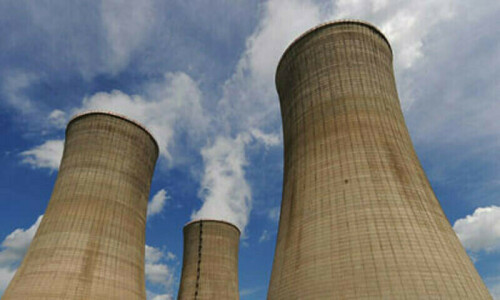
THE global conversation around nuclear energy has fundamentally changed. Only a decade ago, many countries questioned the future role of nuclear power. Today, the question is no longer whether nuclear energy is necessary, but whether the world is ready to deploy it at the speed and scale required.
The reasons behind this renewed interest are clear. The global transition toward net-zero emissions has increased the need for reliable, large-scale, low-carbon electricity. Renewable energy will continue to expand rapidly, but modern energy systems also require stable power sources that can operate regardless of weather conditions.
At the same time, recent geopolitical uncertainties have reminded countries that energy security and climate goals cannot be separated. Nuclear energy is increasingly viewed not only as a clean energy source but also as a strategic asset.
Another major driver is electrification. Transportation, manufacturing, industrial processes and heating systems are gradually shifting from fossil fuels to electricity.
Most recently, artificial intelligence has added a completely new dimension to the energy discussion. AI data centers require enormous amounts of stable, high-quality electricity around the clock. In the digital economy, reliable electricity is becoming a foundation for national competitiveness.
For these reasons, nuclear energy is moving from being one option among many to becoming an essential component of future energy systems. The nuclear renaissance is real. Many countries across Asia, Europe, North America and the Middle East are announcing ambitious nuclear expansion plans. New large reactors, small modular reactors, long-term operation of existing plants and power uprates are all creating new opportunities.
However, ambition alone does not build nuclear power plants. The industry faces significant practical challenges: increasing construction costs, financing difficulties, regulatory uncertainty, workforce shortages, fuel supply concerns and limited manufacturing capacity.
The most important question for the coming decades is whether the global nuclear ecosystem is prepared to deliver. Small modular reactors have attracted global attention as a potential game-changer. Modular construction may improve project delivery. Flexible operation can support renewable energy integration.
Safety has always been the foundation of nuclear energy. As advanced reactors and SMRs emerge, new issues must be addressed: passive safety validation, multimodule operation, cybersecurity risks and the increasing use of digital systems.
These challenges mean that innovation requires updated approaches to verification, regulation and international cooperation. A globally deployed reactor technology cannot reach its full potential if each country requires completely different licensing approaches. The goal should be smarter, more predictable regulation.
The nuclear supply chain also matters. Large forgings, reactor vessels, nuclear-grade components and highly skilled workers cannot be created overnight. Nuclear capability is accumulated through continuous projects, industrial experience and a strong quality culture.
If the world expects rapid nuclear expansion, maintaining and expanding supply chain capability must become a strategic priority. Every first-of-a-kind nuclear project faces a familiar dilemma. Breaking the cycle — utilities demand operating plants, vendors require firm orders and investors seek predictable revenue — requires anchor customers who are willing to support early deployment.
The rapid growth of AI may become a turning point. Technology companies recognize that access to reliable electricity may determine their future competitiveness. Korea’s nuclear journey offers an important lesson. The successful Barakah Nuclear Power Plant project in the United Arab Emirates, the first overseas nuclear power plant designed and built by Korea, demonstrated that nuclear deployment requires more than reactor technology. Standardised design, continuous construction experience and skilled human resources and a long-term partnership with the owner were all essential factors.
Achieving on-time and within-budget delivery remains one of the most challenging goals in the global nuclear industry. As the world moves toward SMRs and advanced reactors, the same principle applies. Innovation is important, but execution determines success. The next nuclear era will depend on four key elements: maintaining safety credibility, improving regulatory predictability, strengthening supply chains and overcoming first-of-a-kind deployment barriers.
The world has rediscovered why it needs nuclear energy. The challenge is proving that we can deliver it. The future of nuclear energy will not only be determined by what we can design, but by what we can actually build.—The Korea Herald/ANN
Published in Dawn, June 29th, 2026