PPP to lead GB govt under power-sharing deal with PML-N


 0
0
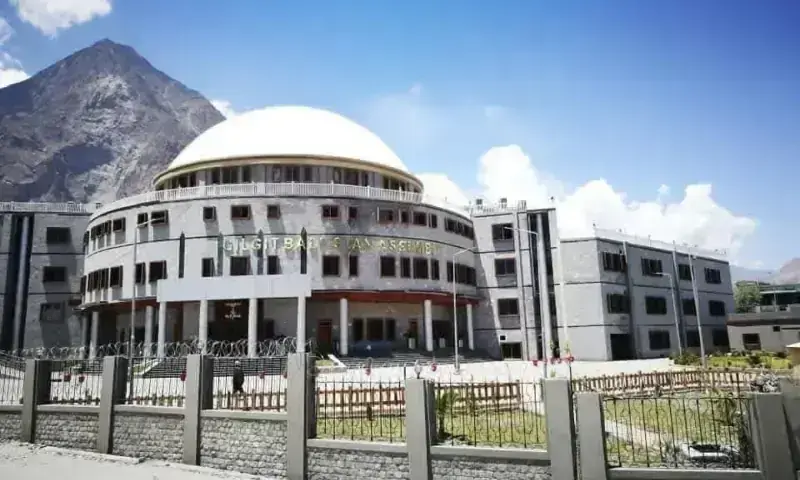

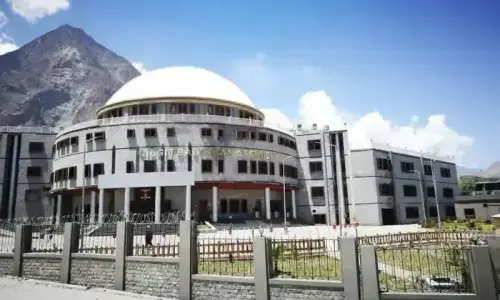
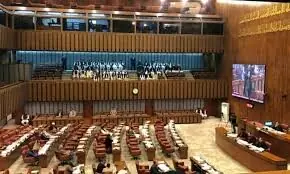
GILGIT: The PPP on Saturday announced that it would form a government in Gilgit-Baltistan (GB) with the support of the PML-N, mirroring the arrangement at the federal level.
After elections on June 7, the PPP emerged as the largest party, with 12 seats in the 24-member GB assembly.
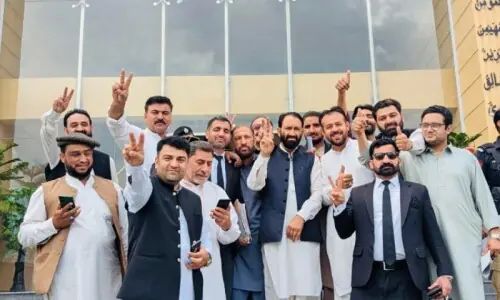
The decision was announced by PML-N GB president Hafeez Hafeezur Rehman and PPP GB president Amjad Hussain at a press conference following a consultation meeting between the parties’ leaders.
According to a press release issued on Saturday night, the parties decided to form a coalition government in Gilgit-Baltistan based on “mutual trust, consensus and consultation”.
The statement added that both parties had expressed their determination to move forward together, prioritising political stability, public welfare and the promotion of democratic values.
According to a statement, local PPP and PML-N leaders agreed on a proposed power-sharing formula following a consultation meeting, under which the region’s chief minister will be from the PPP, while the governor of GB, as well as the leader of the opposition, will be from the PML-N.
Additionally, the post of deputy speaker of the assembly will also go to the PML-N.
The public mandate formula agreed upon by the two parties is “a manifestation of mutual consultation and political harmony”.
Both parties agreed that political stability is essential to address the challenges facing the country, particularly GB, resolve public issues, accelerate the development process and further strengthen democratic institutions.
The two parties also reiterated their resolve to work together in the national interest and for public service, as well as the strength and prosperity of Pakistan, above personal and party interests.
The statement added that the formation of a joint government was being considered an “important step towards promoting political tolerance, national unity and democratic continuity, through which effective, stable and people-friendly governance will be ensured in Gilgit-Baltistan”.
PPP GB president Amjad Hussain, PPP Central Secretary General Nayyar Hussain Bukhari, former federal information minister Qamar Zaman Kaira and Imran Nadeem attended the meeting on behalf of the PPP, while PML-N GB president Hafeez Hafeezur Rehman, Ibrahim Sanai, Malik Kefayat, Sahab Khan, Rana Farooq and other parliamentary members represented the PML-N.
Talking to the media after the meeting, Rehman said that an agreement had been reached after several rounds of talks between the two parties.
“The decision of the PML-N’s central leadership to support the PPP in forming a government has been endorsed by the local leadership,” he said, adding that the PML-N would play its role from the opposition benches in GB.
“For the first time, the people of Gilgit-Baltistan exercised their right to vote democratically beyond sectarian, regional and ethnic boundaries, and we want to preserve that environment,” he added.
“We respect democratic norms, and the mandate should be accepted,” Hafeezur Rehman said.
Addressing the media, the PPP’s Hussain thanked Prime Minister Shehbaz Sharif and the PML-N’s central leadership for supporting the PPP in electing its chief minister and assembly speaker at the request of PPP Chairman Bilawal Bhutto-Zardari.
He said the decision would strengthen democratic institutions and values in the region, adding that the PPP and PML-N were “progressive parties”.
“To resolve Gilgit-Baltistan’s longstanding issues, both parties will work together,” he said. “Candidates for key positions will be elected unopposed through a smooth transition process.”
Replying to a question, he said that the inclusion of the Istehkam-i-Pakistan Party (IPP) in the government would be decided by the PPP chairman.