Women MPAs discuss steps to prevent acid attacks in Balochistan
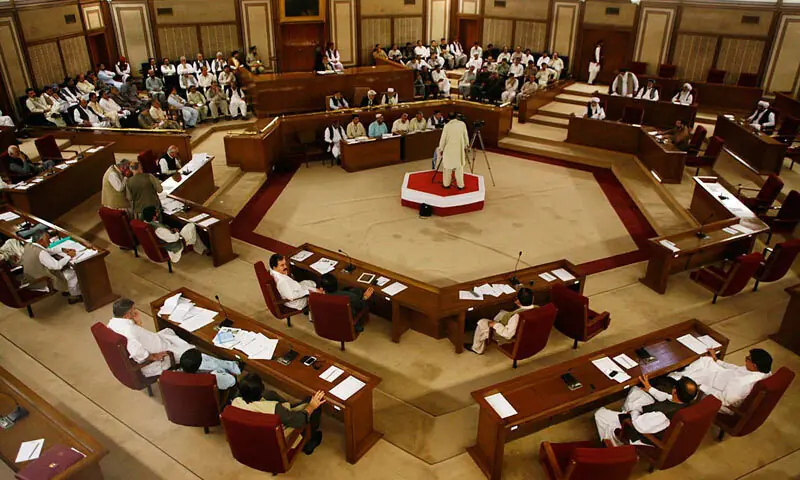
QUETTA: The Women’s Parliamentary Caucus (WPC) of the Balochistan Assembly convened a meeting to speed up legislation aimed at preventing acid attacks on women and strengthening support for survivors.
The session, held in the Assembly’s committee room, was chaired by Deputy Speaker and WPC Chairperson Ghazala Gola.
The meeting brought together WPC members Raheela Hameed Khan Durrani, Shahida Rauf, Farah Azeem Shah, Kulsoom Niaz, Salma Kakar, and Shehnaz Umrani, alongside retired Justice Kailash Nath Kohli, representatives from the Home and Law Departments, UN Women, and Assembly Special Secretary Abdul Rahman.
Justice Kohli gave a detailed briefing on the country’s existing legal framework concerning acid-related crimes, highlighting a draft provincial law prepared in 2016. The Home Department presented official statistics, noting that since 2021, seven acid attack cases have been registered in Balochistan, with five resolved in 2022.
Following extensive deliberations, participants agreed to form a joint review committee tasked with examining the draft law and incorporating provisions on acid regulation, victim protection, rehabilitation, compensation, and institutional response mechanisms.
It was also recommended that future consultations include representatives from the industries, health, prosecution, women development, and police departments, as well as senior lawyers, to strengthen the legislative process.
The caucus further proposed revisiting the composition of the board to be established under the proposed bill, ensuring representation from WPC and other stakeholders. Members emphasised the importance of involving the Assembly’s Home Committee to build consensus and improve coordination.
The participants of the meeting stressed the urgent need for a comprehensive provincial law to curb acid violence, regulate the sale of hazardous chemicals, prosecute offenders effectively, and provide survivors with robust support and rehabilitation services.
Concluding the meeting, Chairperson Ghazala Gola reaffirmed the WPC’s commitment to advancing laws that protect vulnerable groups, promote justice, and ensure strong safeguards against all forms of violence in Balochistan.
Published in Dawn, June 16th, 2026