Senate committee seeks stronger reforms against honour killings, illegal jirgas
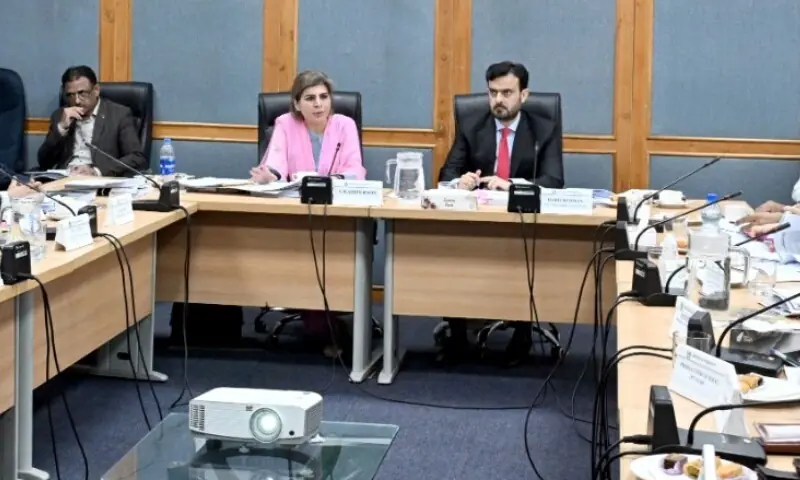
ISLAMABAD: A parliamentary committee on Monday called for stronger legal and institutional reforms to address honour killings, illegal jirgas and weaknesses in the criminal justice system.
The demand was made during a meeting of the Senate Functional Committee on Human Rights, which reviewed a range of pressing human rights issues. Chaired by Senator Samina Mumtaz Zehri, the session examined the legal status of jirgas and panchayats, conviction rates in gender-based violence (GBV) cases, and ongoing investigations into high-profile incidents, including the killing of Ahmed Javed in Lahore and the 2023 Jaranwala violence.
The meeting was attended by several senators, government officials and representatives of civil society organisations. Provincial authorities briefed the committee on honour killing cases reported over the past five years, highlighting trends, causes and affected regions.
Committee members voiced concern over the continued use of the term “honour killing”, stressing that such acts are serious criminal offences. Alarm was also expressed over persistently low conviction rates, particularly in Sindh and Balochistan, raising questions about the effectiveness of prosecution and legal processes.
Senator Samina Mumtaz Zehri pointed to delays in the registration of first information reports (FIRs) and misuse of legal provisions as key factors weakening GBV cases.
The committee also reviewed the role of jirgas and panchayats, noting that despite clear constitutional and judicial prohibitions, these parallel forums continued to operate in parts of the country.
While such practices appeared to have declined in Punjab, they remained active in certain areas of Balochistan, Sindh and Khyber Pakhtunkhwa. The committee emphasised that these informal systems undermine the rule of law and perpetuate harmful social norms, often discouraging victims from seeking formal justice.
Civil society representatives highlighted procedural and evidentiary shortcomings that frequently result in acquittals. Concerns were also raised about cases being reclassified under alternative motives, such as personal disputes, thereby weakening prosecution under existing laws.
Witness intimidation and withdrawal of testimony were identified as major challenges, with members suggesting the use of video-recorded statements to strengthen evidence.
The committee firmly rejected proposals to formalise jirgas as alternative dispute resolution mechanisms, reiterating that unconstitutional practices cannot be legitimised. Authorities were directed to ensure strict enforcement of laws against such forums. Discussions also focused on the role of social media in shaping narratives around GBV cases. Members expressed concern over misinformation, online harassment and attempts to influence legal proceedings.
The committee called for a comprehensive and lawful framework to address harmful digital content, particularly in cases under trial.
The absence of representatives from the National Cyber Crime Investigation Agency drew criticism, with directions issued to ensure their presence at future meetings.
Regarding the killing of Ahmed Javed, members raised concerns over bail granted to suspects and the alleged character assassination of the victim.
The committee also reviewed progress in the Jaranwala case, where attacks on the Christian community in 2023 resulted in widespread damage to homes and places of worship.
While some progress had been made in compensation and rehabilitation, delays persisted, particularly for smaller churches and individual victims. Concerns were also raised over reports that affected community members had been named in certain cases, potentially placing additional pressure on victims.
Describing the Jaranwala incident as a national tragedy, officials stressed the need for timely justice and accountability.
The committee resolved to treat the case as a benchmark for safeguarding minority rights and ensuring transparent investigations. The committee called for the swift prosecution of those responsible and fair compensation for all affected individuals.
Published in Dawn, June 16th, 2026