LHC dismisses plea against capacity payments to idle independent power producers


 0
0
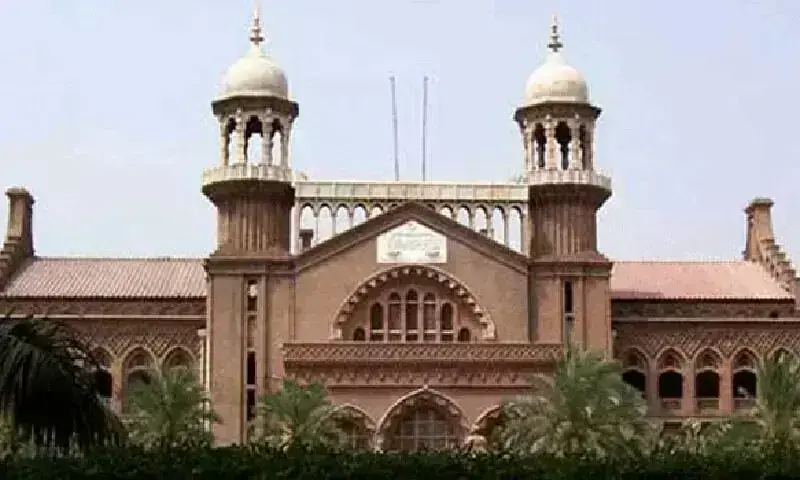

LAHORE: The Lahore High Court (LHC) has dismissed as non-maintainable a petition against the collection of capacity charges being received from the masses and paid to the power producers that are not producing any electricity.
Justice Ahmad Nadeem Arshad announced a verdict reserved on the maintainability of the petition filed by an activist, Ashba Kamran.
In his order, the judge observed that policymaking in the energy sector falls within the domain of the government and parliament, not the judiciary. He held that the court cannot function as an appellate forum for reviewing economic, financial and regulatory policies. He said mere disagreement with a policy does not constitute sufficient grounds for invoking the court’s constitutional jurisdiction through a writ petition.
The petitioner had contended that the government, under the Constitution, cannot impose any tax without the approval of the parliament. She alleged that the government had violated the Constitution by imposing an unlawful levy in the form of capacity charges.
Judge says energy sector’s policymaking domain of govt, not judiciary; disagreeing with policy not enough to file plea
The petitioner argued that the government had introduced the capacity charges merely on the recommendations of the federal cabinet and the National Electric Power Regulatory Authority (Nepra) without adopting any legal mechanism or getting parliamentary approval.
She further submitted that payments to local investors linked to the USD exchange rate and made from the national grid were unconstitutional. She argued that power companies were being paid trillions of rupees despite not generating electricity or operating their plants, which amounted to an injustice to the public.
She claimed that Rs18.10 trillion had been paid to the independent power producers (IPPs) for unused electricity generation capacity and to the plants that remained inoperational.
The petitioner asked the court to order the government that payments should be made only against the actual electricity supplied to the system. She also sought directions for the government to recover trillions of rupees paid in excess to the IPPs and to hold officials involved in the process accountable.
Published in Dawn, June 10th, 2026