Pakistan’s livestock sector possesses enormous untapped potential to drive economic growth, reduce rural poverty, increase exports, and strengthen food security. Agriculture remains the backbone of the national economy, and livestock contributes nearly 60 per cent of agricultural value addition while supporting the livelihoods of millions of rural families.
Recognising the strategic importance of the sector, the federal government has recently emphasised the need to improve Pakistan’s halal meat export industry through practical reforms in production systems, cold storage infrastructure, disease control, breeding, and international certification.
Authorities have also assured full support for internationally certified slaughterhouses and bilateral agreements with importing countries to strengthen Pakistan’s position in the rapidly growing global halal meat market.
The global halal food industry is expanding rapidly, with rising demand for certified halal meat products in both Muslim and non-Muslim countries. Pakistan, being one of the world’s major livestock-producing nations, has natural advantages that can help it become a leading exporter of halal meat and livestock products.
Pakistan has natural advantages that can help it become a leading exporter of halal meat
This gap exists mainly due to weak livestock management systems, inadequate cold chain facilities, limited meat processing capacity, insufficient veterinary services, and poor compliance with international sanitary and phytosanitary standards. Modernising the livestock sector and introducing scientific management can transform it into one of the strongest pillars of Pakistan’s economy.
Province-wise livestock development is essential to unlock this potential, as each province has unique climatic conditions, indigenous breeds, and production capacities that require region-specific planning and investment.
Punjab is Pakistan’s largest milk-producing province and possesses extensive irrigated areas ideal for dairy farming. The province is internationally known for high-yield breeds such as Sahiwal cattle and Nili-Ravi buffaloes, which are recognised globally for superior milk production.
Southern Punjab, especially the Cholistan region, also has considerable potential for meat production through the Cholistani breed. By expanding modern dairy farms, milk processing industries, feed industries, artificial insemination services, and veterinary healthcare systems, Punjab can further strengthen its role as the country’s dairy hub.
Sindh also holds enormous potential for dairy and meat production. The province’s desert belt, extending from Badin through Tharparkar, Umerkot, Mirpurkhas, and Sanghar, is home to some of the finest indigenous cattle breeds in Pakistan, including the Tharparkar and Kankrej breeds. These animals are highly adaptable to harsh climatic conditions and are known for producing quality milk and meat even in drought-prone environments.
For the rural communities of Thar and surrounding districts, livestock is often more important than crop farming because recurring droughts and water scarcity severely affect agriculture. Cattle, goats, sheep, and camels provide families with milk, meat, transportation, and a stable source of income during difficult times.
Thousands of rural women actively participate in livestock care, milk processing, and household dairy production, making livestock an important source of women’s economic empowerment as well.
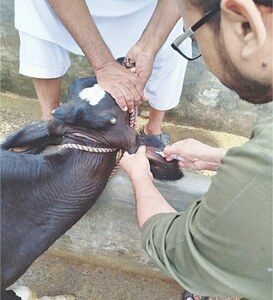
However, the livestock sector in Sindh continues to face serious challenges, including poor veterinary facilities, weak market systems, inadequate breeding services, and a lack of modern feedlot infrastructure. Due to poverty and financial pressures, farmers often sell calves that are weak and immature to butchers before they reach their full growth potential. Every year, millions of calves are slaughtered prematurely, resulting in major economic losses and reduced meat productivity.
If Thar and the surrounding desert areas are developed as specialised meat production zones through scientific breeding, vaccination campaigns, cooperative farming systems, and modern feedlots, Sindh can become a major centre for halal meat exports. Establishing meat processing plants, refrigerated transport systems, and cold storage facilities near livestock-producing regions can greatly improve meat quality and export competitiveness.
Balochistan has significant opportunities for sheep, goat, and camel farming due to its vast rangelands and dry climate. The province is famous for high-quality sheep and goat breeds that produce meat, wool, and hair. Livestock is the backbone of the rural economy in many parts of Balochistan and supports nomadic and semi-nomadic communities. However, water scarcity, weak veterinary infrastructure, and poor market access continue to limit productivity.
Investment in wool processing industries, livestock markets, mobile veterinary clinics, and meat export facilities can transform Balochistan into a major centre for meat and wool production. Since many animals in the province are naturally grazed, Balochistan also has excellent potential for organic livestock exports.
Khyber Pakhtunkhwa offers favourable conditions for cattle, sheep, and goat farming in both settled and mountainous regions. The province’s cooler climate supports dairy farming, while hilly areas are suitable for goat and sheep rearing.
The federal government’s engagement with livestock associations and private-sector stakeholders on taxation, financing, vaccines, and exports is a positive step toward long-term development. However, sustainable progress will require coordinated efforts among federal and provincial governments, research institutions, private investors, and rural communities.
The writer is a social development professional
Published in Dawn, The Business and Finance Weekly, June 8th, 2026