Karachi faces 54 MGD water shortage after electricity supply to NEK Pumping Station suspended: KWSC

The Karachi Water and Sewerage Corporation (KWSC) said on Sunday that the city was facing a shortfall of 54 million gallons per day (MGD) after electricity supply to North East Karachi Pumping Station was disrupted due to a fault in K-Electric’s main cable.
It also warned that this shortfall could increase if the cable was not repaired.
The KWSC’s latest announcement came a day after an emergency power shutdown at the Dhabeji Pumping Station disrupted the water supply to several parts of the city.
“Electricity supply by K-Electric (KE) to North East Karachi (NEK) Pumping Station was abruptly suspended at 3:27am on May 31, 2026. As a result, K-II pumping station’s operations were affected, and the water supply system was also partly affected,” KWSC said in a statement.
The statement added that KE sent a technical team after being contacted by the KWSC.
“KE officials confirmed that the power supply was cut off due to a fault in the main cable supplying electricity to the K-II pumping station,” it said, adding that KE had made “alternative arrangements on an emergency basis”.
“Later, backfeed was provided to the K-II pumping station through the K-III feeder, due to which the electricity supply was partially restored at 5:50am.
“However, due to limited capacity, the pumping operation could not be fully restored,” KWSC said, indicating the possibility of further shortage if the fault was not repaired “immediately and permanently”.
“The shortage may have an impact on the water supply schedule in different areas of the city,” KWSC said.
“KWSC has demanded that KE take emergency measures to repair the fault,” the statement read, adding that KWSC was monitoring the situation and utilising all available resources to restore the water supply.
Dawn reached out to KE spokesperson Imran Rana for a comment on the matter, but there was no immediate response.
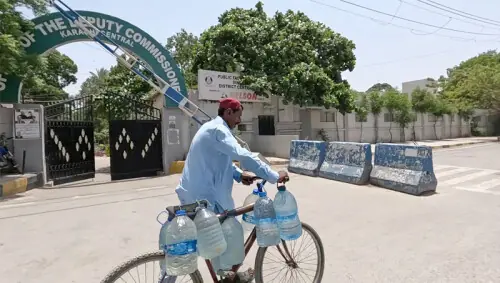
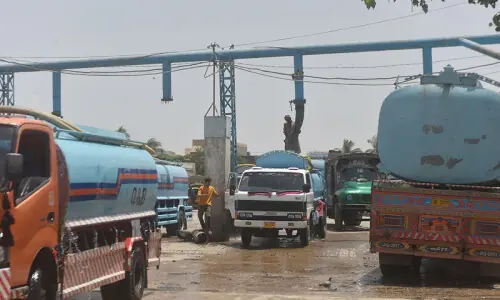
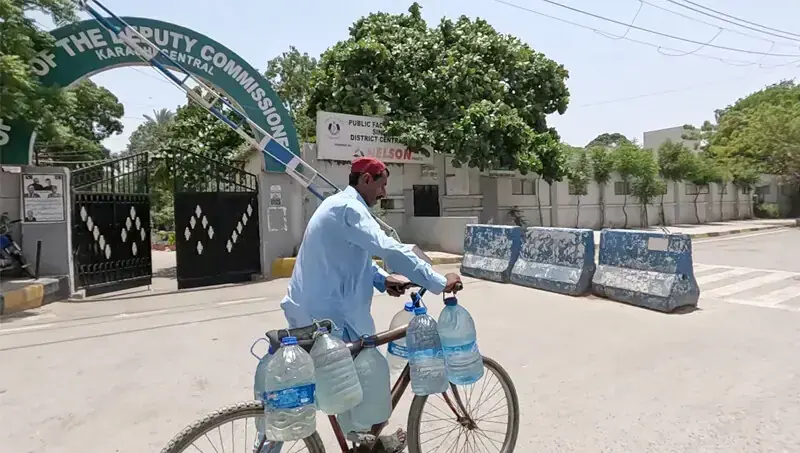
Meanwhile, Karachi has entered the second month of a severe water crisis that has affected large parts of the metropolis, leaving thousands of families dependent on water tankers and private suppliers.
For many residents, obtaining water has become a daily challenge. Long queues for tankers, dry taps and rising water costs have added to the difficulties faced by households already burdened by skyrocketing inflation.
The ongoing crisis began in late March and persisted due to a combination of factors, including major pipeline leaks, bursts in transmission lines, power outages at pumping stations and technical faults affecting the city’s water supply system. As a result, normal water distribution has remained disrupted in many areas for weeks.