US widens drive to revoke citizenship of foreign-born Americans


• Indian businessman among a dozen facing denaturalisation
• Justice Dept targets naturalised citizens over fraud, terror links
• Civil liberties groups warn of uncertainty, fear in immigrant communities
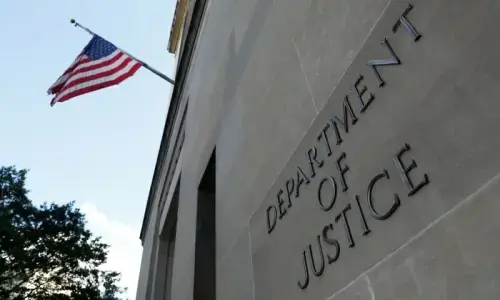
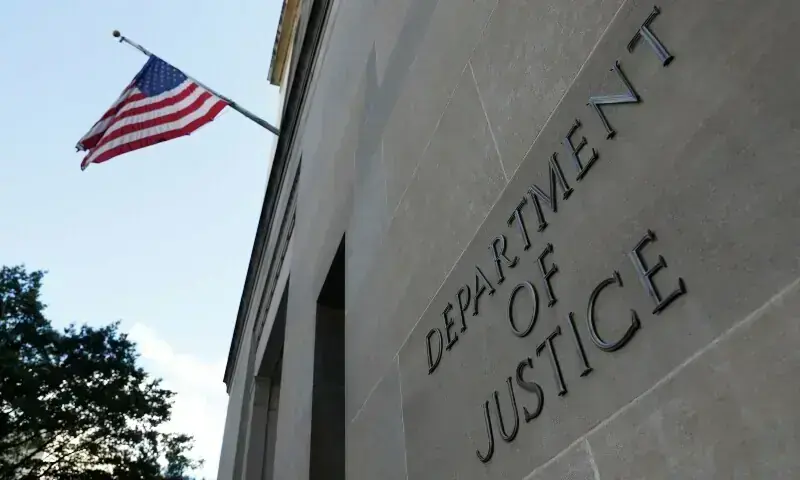
WASHINGTON: The Trump administration is widening its drive to revoke the citizenship of foreign-born Americans, filing a new wave of denaturalisation cases against individuals accused of fraud, terrorism links and serious financial crimes, the Justice Department announced on Friday.
The US Department of Justice said it had initiated proceedings against roughly a dozen naturalised citizens, including an Indian-origin businessman accused of defrauding investors of millions of dollars.
Officials argued the individuals either concealed material facts during their immigration proceedings or engaged in conduct that would have disqualified them from obtaining US citizenship.
Among the cases cited by authorities is that of Debashis Ghosh, a native of India, accused of orchestrating an investment fraud scheme involving approximately $2.5 million.
According to the Justice Department, Ghosh allegedly conspired to defraud investors before becoming a US citizen and continued the scheme after his naturalisation by misrepresenting the location and handling of investor funds.
The broader crackdown also targets individuals accused of terrorism-related activity, war crimes, and firearms trafficking.
The cases were filed by the Justice Department’s Office of Immigration Litigation in coordination with US Citizenship and Immigration Services (USCIS) and federal prosecutors in multiple states, officials said.
Denaturalisation — the process of revoking citizenship obtained through naturalisation — is a rare and legally demanding procedure that requires action in federal court.
Between 1990 and 2017, US authorities filed just over 300 such cases, averaging about 11 annually, making the current expansion notable in scale.
The government faces a high legal threshold, as it must demonstrate either intentional misrepresentation or the concealment of material facts during the naturalisation process.
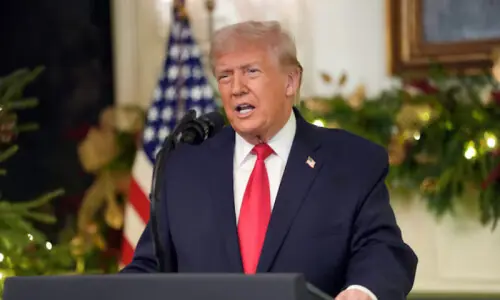
The Trump administration, however, has increasingly treated the tool as part of a broader immigration enforcement strategy. Officials argue that citizenship obtained through deception “undermines the integrity of the immigration system” and warrants revocation when proven in court.
While the latest cases did not include individuals from Pakistan or other South Asian nations, the inclusion of an Indian-origin defendant is likely to resonate across the region’s large diaspora in the United States.
For these communities, the move is seen less as country-specific targeting and more as a component of tightening US immigration enforcement for all naturalised citizens.
The announcement comes amid a wider strengthening of immigration mechanisms, including enhanced background reviews and the re-examination of historical files for potential fraud.
Civil liberties advocates have previously warned that expanded denaturalisation efforts could create uncertainty within immigrant communities and discourage eligible residents from pursuing citizenship.
Officials did not release figures on how many of the proceedings may lead to criminal prosecution or deportation.
Published in Dawn, May 11th, 2026