0
0

ISLAMABAD: The Cannabis Control and Regulatory Authority (CCRA) hosted a high-level engagement and policy briefing for a distinguished delegation of tribal elders, Masharan, Maliks, and community representatives from Tirah Valley at the CCRA Headquarters, aimed at bringing traditional cannabis cultivation under a formal legal, regulated, and economically beneficial framework.
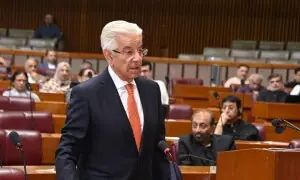
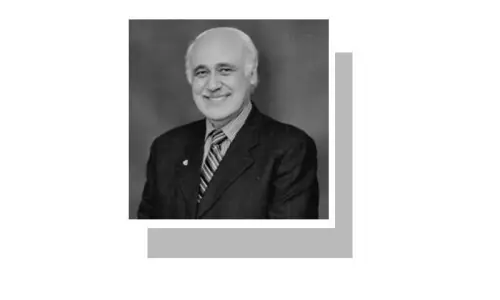
The delegation was warmly received by CCRA Director General (DG) retired Major-General Zafarullah Khan, accompanied by senior officials of the CCRA.
Addressing the gathering, the DG said the National Cannabis Policy was the culmination of nearly one and a half years of painstaking efforts, extensive deliberations, institutional coordination, and alignment with Pakistan’s international obligations and national economic priorities.
He emphasised that the policy sought to transform a historically unregulated sector into a transparent, lawful, and economically productive industry capable of benefitting local communities as well as the national economy.
The DG informed the delegation that under the newly introduced licensing regime/framework, tribal growers would receive legal protection, direct market access, transparent pricing mechanisms, and freedom from exploitative middlemen.
He assured the participants that the policy had been designed to safeguard the rights of cultivators while ensuring full transparency and regulatory oversight. “The crop which remained associated with illegality for decades can now become a source of dignity, prosperity, and lawful economic empowerment for the people of Tirah Valley,” the DG remarked.
“The objective of the state is not suppression, but integration of local communities into a regulated economic framework” he said.
The DG highlighted that the policy was exclusively focused on medicinal and industrial applications of cannabis and hemp, including pharmaceutical extracts, pain management therapies, epilepsy-related medicines, industrial hemp fibre, textiles, and other value-added products with substantial international demand.
The briefing also underscored the government’s broader developmental vision, including reinvestment of sectoral revenues into education, healthcare, infrastructure, and public welfare initiatives in tribal regions.
During the interaction, members of the delegation appreciated the efforts of the CCRA and extended an invitation to the DG to visit Tirah Valley for continued engagement with local communities and growers.
The tribal delegation included Malik Shahzad Khan, Shaharyar Khan Orakzai, Asfandyar Khan Orakzai, Haji Aamil Rehman, Ismail Khan, Khawaja Manat Khan, Haji Adam Khan, Rafeeq Haji, Maroof Haji, Gulam Habib, Zarmala Khan, Meer Haji, Musaiyat Haji, Tariq Khan, Hashim Khan and Munsif Haji, representing the Sultan Zai, StorKhel, Sheikhan, AtmanKhel, BerazZaoi, and FareozKhel tribes.
Published in Dawn, May 9th, 2026