0
0
• PM says pre-war expense was $300m, notes energy conservation measures working
• Shehbaz says consultations underway with provinces to extend fuel subsidies
• Cabinet approves policy for vaccine manufacturing, development of seeds
ISLAMABAD: Although Prime Minister Shehbaz Sharif on Wednesday expressed satisfaction over the “reduction in fuel consumption” due to conservation and austerity measures, he revealed that the country’s weekly oil bill had reached $800 million due to the energy crisis arising from the Middle East conflict.
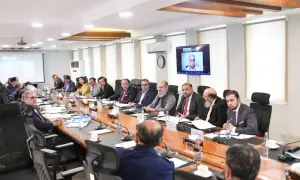
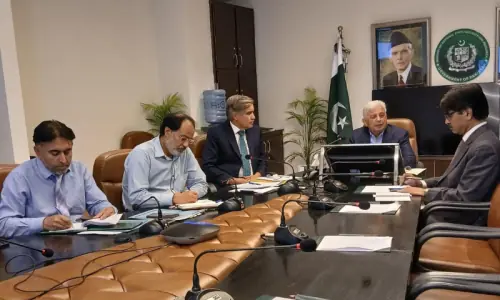
“Thanks to Allah Almighty that our fuel consumption has declined due to conservation and austerity measures, but our weekly pre-war oil bill was around $300m, and today it is up to $800m,” the prime minister said while addressing the federal cabinet meeting.
Despite a sharp increase in fuel prices in the global markets, there was no shortage of petrol and diesel anywhere in the country, whereas long queues could be witnessed outside petrol pumps in many countries, he said.
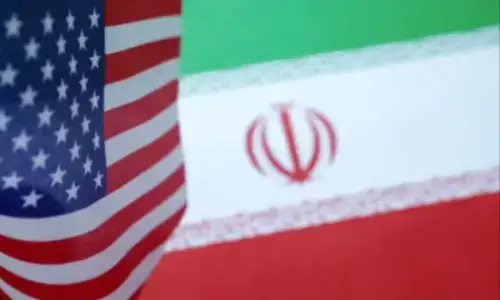
Global fuel prices have skyrocketed over the past two months as shipping through the Strait of Hormuz remains paralysed since the US and Israel launched joint strikes on Iran on February 28. “Consultations are also being held with provinces to extend fuel subsidies,” he added.
Setback
PM Shehbaz said that Pakistan was doing well on the macroeconomic front before the war broke out. However, “with the war, our efforts of two years have witnessed a setback”.
Nevertheless, the premier highlighted that Pakistan’s federal reserves “retain their levels” despite paying back debts, which included a $3.45 billion deposit to the United Arab Emirates (UAE). He also expressed gratitude to the leadership of Saudi Arabia, which transferred a $3bn deposit recently and agreed to extend its existing $5bn facility for three more years.
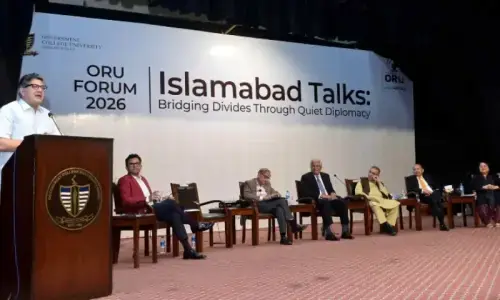
In his address, the prime minister also apprised the cabinet of Pakistan’s diplomatic outreach in the US-Iran war and recalled the first round of Islamabad Talks held on April 11-12. “Many diplomatic efforts were made,” he recalled, lauding Chief of Defence Forces Field Marshal Asim Munir and Foreign Minister Ishaq Dar for trying “their best to restore peace in the region”.
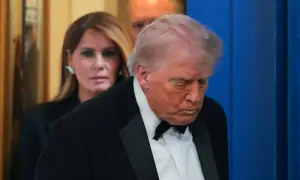
“Following this, a ceasefire extension was announced,” the premier said, recalling the April 21 announcement by US President Donald Trump.
The PM also mentioned Iranian Foreign Minister Abbas Araghchi’s recent trips to Pakistan.
He recalled that before returning to Iran, Mr Araghchi had assured him: “I would give you an answer after holding consultations with the Iranian leadership.”
The Iranian top diplomat made two brief visits to Pakistan within two days, meeting with CDF Munir and PM Shehbaz to discuss the regional situation. The premier also appreciated Interior Minister Mohsin Naqvi for his participation in the meetings.
Later, the federal cabinet made some decisions that included approval of a policy for local manufacturing of vaccines, the country’s first National Agricultural and Biotechnology Policy, National Seed Policy, and National Skills Development Policy.
The cabinet also approved the appointment of teachers from grades 1 to 15 as visiting faculty. The annual report of the National Electric Power Regulatory Authority (Nepra) was also presented at the meeting.
Published in Dawn, April 30th, 2026