Changes to Punjab property law expected to revive real estate


 0
0
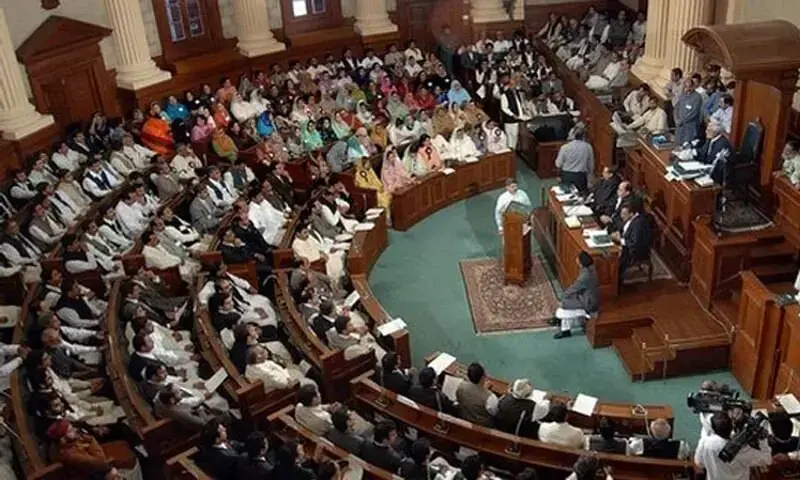

LAHORE: The provincial government expects that the recent amendments, including one bringing down stamp duty on immovable rural property from three to one percent, will not only boost government revenues and the almost-dead real estate business but also provide a legal cover to the agreements between private parties.
“It is a limited duration transfer of rights of property to someone else. You may think of it as a legal cover for agreements among private parties on just Rs1,200 stamp paper that was earlier insecure for both parties,” said an official source while talking to Dawn on Sunday.
“Now, by paying 1 per cent duty they can hold the property title legally for one year and for two years with 2pc duty. On one hand, it will secure people’s rights and on the other hand will boost government revenue,” the official requesting anonymity maintained.
The amendments, according to a notification of April 10, sought to introduce and define “assignable deed” and fix a uniform stamp duty at the rate of 1pc on such conveyances. “At present, stamp duty in urban areas is charged at 1pc of the value of the immovable property, whereas in rural areas it is charged at 3pc of the value of the immovable property, thereby creating discrimination. It is, therefore, proposed that the rate of stamp duty in urban and rural areas may be fixed at 1pc to bring harmony in both areas,” the notification reads.
BoR secretary says the amendments are expected to revive the dying real estate sector, generate economic activities and put an end to corruption in the revenue department
It states that these measures are intended to simplify and rationalise the law, reduce uncertainty and litigation, lower transaction costs to encourage formalisation of property transfers, stimulate increased transactions and investment in the real estate sector. Furthermore, it said that it would protect bona-fide purchasers and investors who had paid full consideration, improve administrative efficiency, broaden the tax base and enhance long-term revenue stability while guarding against fraudulent transactions through appropriate safeguards and transitional provisions.
Talking to Dawn, a real estate agent said that the amendments, especially the one bringing down stamp duty from three to one percent on rural immovable property, would also benefit developers of housing societies, investors etc. “Lahore has a number of housing projects – most of them in rural areas. Some have been developed already and some are passing through the development or execution or planning phases. So, I think those who purchased a chunk of land in recent months and didn’t get these transferred in their names will now get a big relief while getting them transferred in their name by paying only 1pc stamp duty that was 3pc before signing of the amended ordinance,” he explained.
“Besides developers, investors and general buyers who purchased plots and didn’t get them transferred will also get a similar relief,” he said, adding that it would also give relief to the genuine buyers as well.
When contacted, Punjab Board of Revenue Secretary (Tax) Anjum Riaz Sethi said the essence of these amendments was to revive the dying real estate sector and generate economic activities besides ending corruption in the revenue department. “We have removed the difference between urban and rural immovable property by fixing 1pc stamp duty on both. It will benefit all including developers, investors, genuine buyers etc,” he said.
According to him, the expenses on registry surged to huge amounts, stagnating investment in the real estate sector. “The important thing is that the property transaction document or agreement can now get a full legal cover without paying FBR taxes for a period of one year by paying just one percent stamp duty. This arrangement didn’t exist before. Moreover, if the time duration exceeds one year, it will be 2pc. At this moment, all FBR related taxes will have to be paid,” he explained.
He said the government also plans to revise valuation rates, DC rates, as the current ones were contrary to the real situation. “All such activities aim to attract people, especially the overseas Pakistanis who have already invested in the UAE and other countries, to invest in their own country,” Mr Sethi said.
Published in Dawn, April 13th, 2026