Rawalpindi devises new dengue control plan, MPs assigned monitoring role
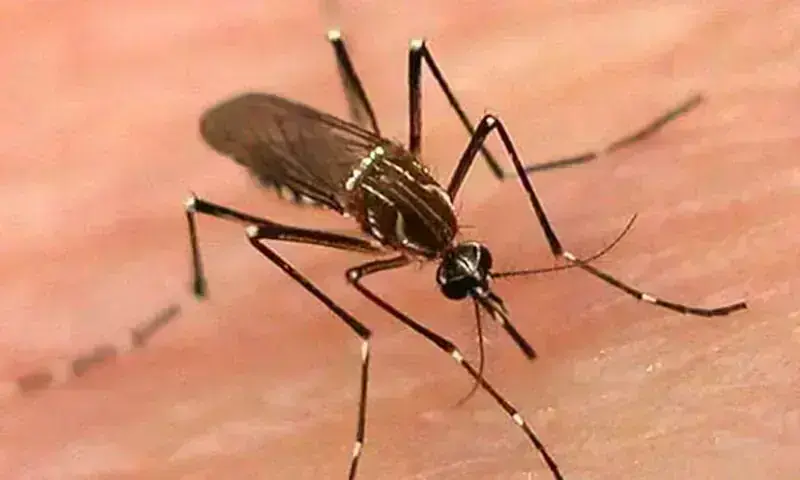
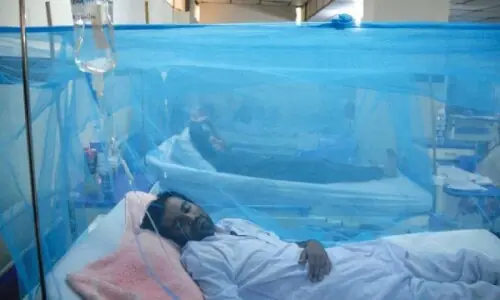
RAWALPINDI: The district administration has devised a new plan to control the dengue virus in the district, as recent spells of rain have increased the risk of its spread.
It has been decided that parliamentarians will monitor the anti-dengue drive of the District Health Authority in high-risk union councils.
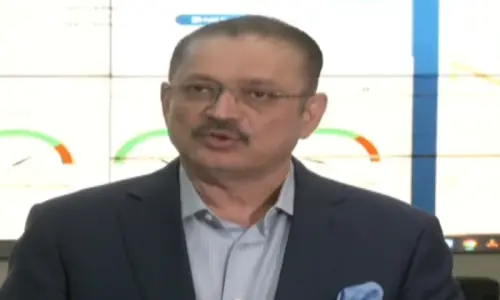
“To monitor the anti-dengue drive in high-risk union councils, parliamentarians will oversee indoor and outdoor surveillance to eliminate dengue larvae in their respective constituencies by the district administration and health authority,” said Deputy Commissioner Dr Hassan Waqar Cheema while talking to Dawn.
He said that parliamentarians would play a major role in mobilising the local community to adopt safety measures and monitor the work carried out by civic bodies. Mr Cheema said the allocation of dengue high-risk union councils (UCs) in Rawalpindi district had been finalised for effective dengue prevention and control.
“The parliamentarians’ active participation and coordination in these assigned UCs will play a crucial role in achieving the desired results,” he added. For monitoring and reporting, he said it was essential that the respective MPA or MNA closely monitor the implementation of dengue prevention measures in their union councils, regularly visit designated areas to assess progress, identify any gaps or issues, and ensure that required actions are promptly taken.
He said that by engaging parliamentarians, provincial departments and district administrations would be better able to tackle challenges and take effective action for monitoring and evaluation.
A total of 32 high-risk union councils have been identified by the District Health Authority, and experts believe that the dengue virus could spread in these areas if preventive measures are not adopted.
Meanwhile, an important meeting on dengue control was held in Rawalpindi under the chairmanship of Deputy Commissioner Dr Hassan Waqar Cheema, attended by officers of the relevant departments.
A detailed briefing was given on ongoing dengue surveillance, larval response, hotspots, and field activities across the district.
The meeting was informed that one confirmed case has been reported so far from cantonment areas during February 2026, while the number of suspected cases stood at 19. During large-scale surveillance in the district, more than 100,000 houses have been checked, and immediate action was taken wherever larvae were detected.
Speaking on the occasion, Deputy Commissioner Dr Hassan Waqar Cheema directed that the cleaning of graveyards and drainage systems, and the filling of ponds, should be completed immediately to eliminate the chances of dengue larvae breeding.
He strictly directed that immediate action be taken against officials involved in fake activities, adding that no negligence would be tolerated. The deputy commissioner further said that the participation of elected representatives is vital to make the campaign effective, and that their involvement would help improve anti-dengue measures.
He directed all concerned institutions to ensure their presence in the field, provide complete coverage of hotspots, and dispose of pending cases immediately. At the same time, he emphasised the need to further intensify the public awareness campaign.
The meeting was informed that sweep operations are underway in various areas and that targets have largely been achieved in most places.
However, further acceleration is required in the remaining areas. The deputy commissioner expressed his determination that, through a coordinated strategy and cooperation among all institutions, Rawalpindi district would be made safe from the dengue virus.
Published in Dawn, April 3rd, 2026