IN Toni Morrison’s novel Beloved, the narrator notes that, during the American Civil War, the northern states, just like their south counterparts, hated the Black people, but they happened to hate slavery more. Of course, this succinct summation of the ugliness of the politics of difference and scale is applicable elsewhere, like they hate libertarians, but hate liberals even more; they loath Semites, but despise Palestinians far more, or hate Hispanics, but abhor the Chinese more so.
Racism, or racist sentiment, is typically environmentally developed or acquired during childhood, often enough even passed down generationally, if not genetically. Especially if it is deliberate, exposing very impressionable, cerebrally-developing children to such an environ-ment of baseless contempt and overt bigotry amounts to a formidable form of child abuse.
Parents should do their children a big favour by not passing down to them such destructive anti-social sentiments and perceptions, including stereotypes and ‘humour’, since such rearing can readily make life much harder for their children. It fails to prepare them for the practical reality of an increasingly diverse and populous society and workplace. It also makes it so much less likely those children will be emotionally content or (preferably) harmonious with their multicultural and multi-ethnic, multi-racial surroundings.
Children reared into their adolescence and, by extension, young adulthood this racially-charged way can find themselves seemingly always feeling angry without really knowing the reason or trigger of their anger.
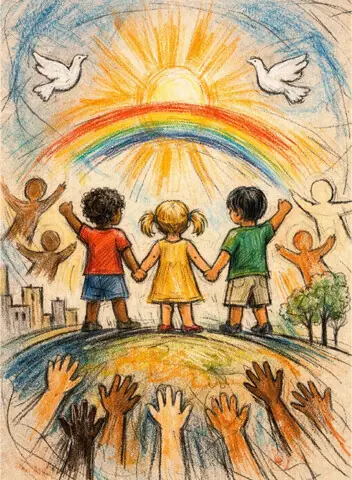
This serious problem should be pro-actively prevented by allowing all young children to become accustomed to other races, cultures and faiths in a positive way.
Frank Sterle Jr.
White Rock, Canada
Published in Dawn, March 31st, 2026