Iran rejects US proposal, lays out 5 conditions for ending war
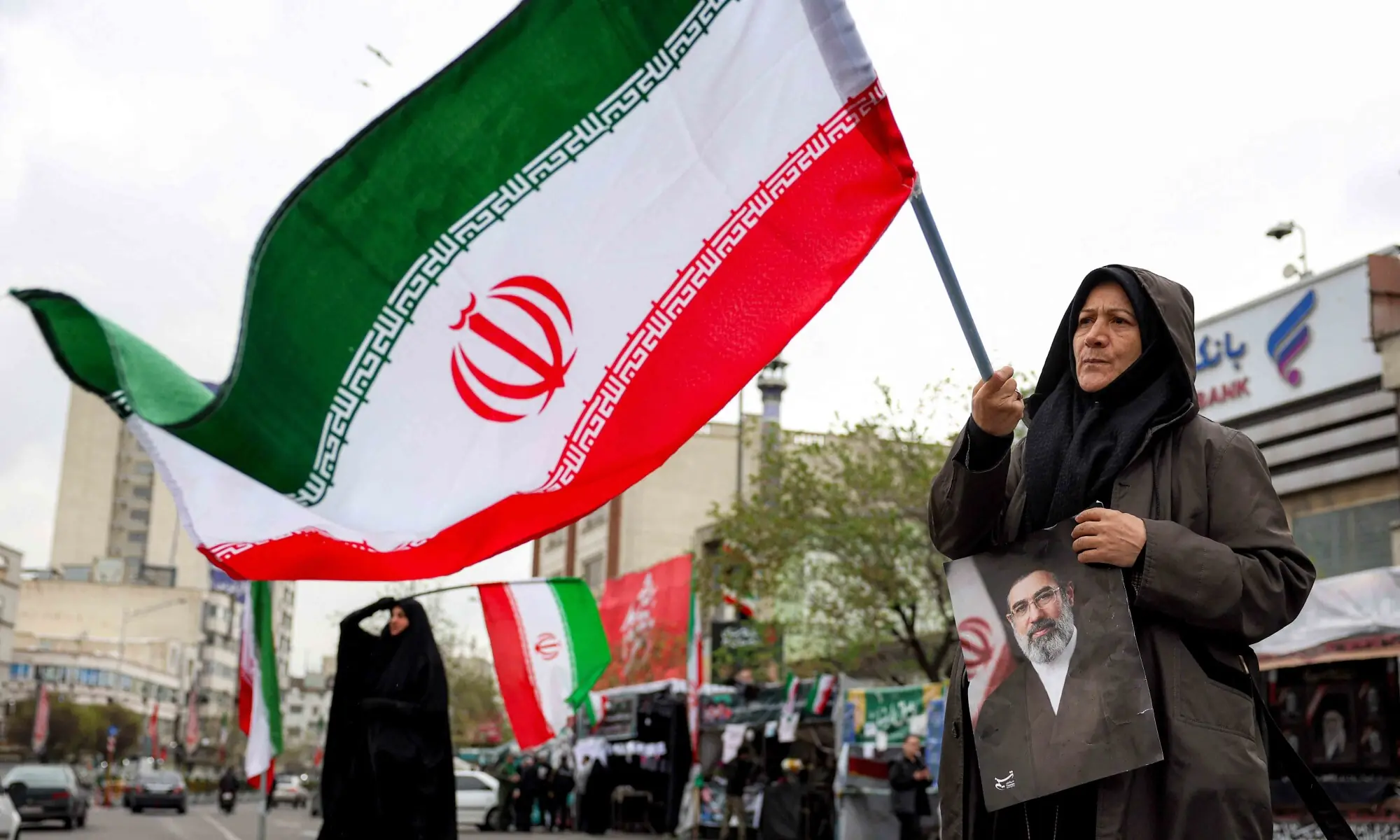


Iran’s state-owned broadcaster Press TV reported on Wednesday that Tehran had “responded negatively” to an American proposal aimed at ending the US-Israeli war on the country. The report cited a senior political-security official.
“The official with knowledge of the details of the proposal, speaking exclusively to Press TV, said Iran will not allow US President Donald Trump to dictate the timing of the war’s end,” the report said.
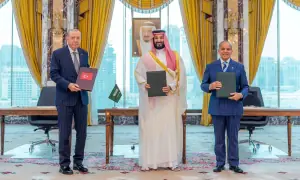
The development came after it emerged that Pakistan had delivered a proposal from the US to Iran, and either Pakistan or Turkiye could be venues for discussions to de-escalate the war in the Gulf.
According to the report, the official said, “Iran will end the war when it decides to do so and when its own conditions are met.“
The official also emphasised Tehran’s resolve to continue its defence and inflict “heavy blows” on the enemy until its demands are fulfilled, the publication said.
“According to the official, Washington has been pursuing negotiations through various diplomatic channels, putting forward proposals that Tehran views as ‘excessive’ and disconnected from the reality of America’s failure on the battlefield, the report said.
It further stated that the official had outlined five conditions under which Tehran would agree to end the ongoing conflict. These included:
- A complete halt to “aggression and assassinations” by the enemy
- The establishment of concrete mechanisms to ensure that the war is not reimposed on the Islamic Republic
- Guaranteed and clearly defined payment of war damages and reparations
- The conclusion of the war across all fronts and for all resistance groups involved throughout the region
- International recognition and guarantees regarding Iran’s sovereign right to exercise authority over the Strait of Hormuz
“The official further noted that these stipulations are in addition to demands previously presented by Tehran during the second round of negotiations in Geneva, which took place just days before the US and Israel carried out a fresh round of aggression on February 28,” the report said.
The publication also reported that Iran had communicated to “all intermediaries acting in good faith” that a ceasefire was contingent upon the acceptance of all of its conditions.
“No negotiations will be held prior to that,” the official stressed, reiterating that Iran’s defensive operations would persist until the outlined conditions are met.
“The end of the war will occur when Iran decides it should end, not when Trump envisions its conclusion,” he added.
But later, White House Press Secretary Karoline Leavitt claimed during a press briefing that talks with Iran continue and are “productive”.
She said this in response to a query about Iran rejecting the US proposal.
Leavitt also said that a 15-point US plan was floating in the media, but “I would caution reporters in this room from reporting on speculative plans from anonymous sources. The White House never confirmed that full plan. There are elements of truth to it, but some of the stories I read are not entirely factual”.
On Tuesday, US media reported that Washington had sent a peace plan to Iran after Trump voiced optimism at ending nearly a month of warfare.
Trump, whose pronouncements in recent days have swung wildly from vowing massive attacks on Iran to declaring the nearly month-long war virtually over, said the United States was “in negotiations right now” with Iran.
“They did something yesterday that was amazing actually. They gave us a present and the present arrived today. And it was a very big present worth a tremendous amount of money,” Trump told reporters in the Oval Office.
“That meant one thing to me — we’re dealing with the right people.”
He did not explain further but said it related to the Strait of Hormuz, which Iran has largely blockaded in retaliation for US and Israeli strikes, sending global energy prices soaring.