As the US-Israel war with Iran enters its third week, analysts warn it is severely disrupting fertiliser markets and endangering food security for developing countries in the near term, Reuters notes.
Much of the world’s fertiliser is made in the Middle East, with one-third of global trade in it passing through the Strait of Hormuz.
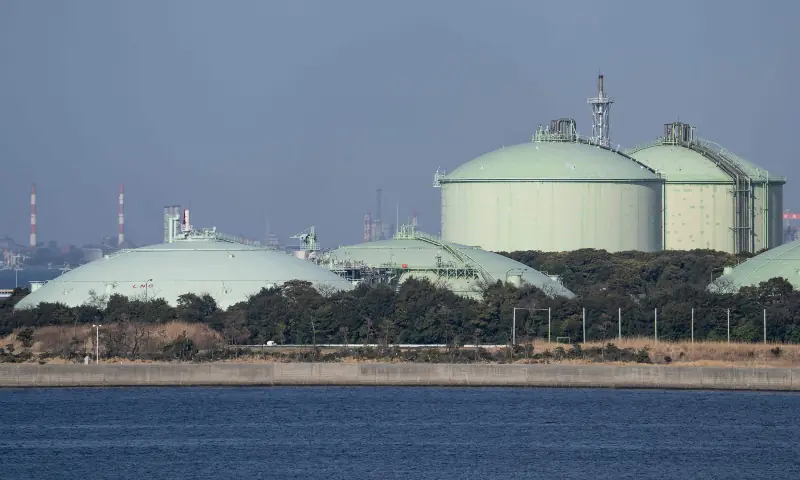
Some 20pc of the world’s oil and LNG also transits the Strait, and its near closure, combined with missile and drone strikes across the Gulf, have forced regional energy facilities to halt output.
About half the world’s food is grown using fertiliser, so prolonged supply disruptions would have major implications for food availability, according to Argus analyst Marina Simonova.
The most important fertilisers near term are nitrogen-based products like urea because, by and large, if a farmer doesn’t apply them for one season, yields will likely be hit. This is less so the case with other key products, like those based on phosphate and potassium.
Read more here.