ISLAMABAD: Civil society organisations, health experts and public health advocates have criticised a US diplomat’s alleged attempt to lobby against a public health proposal regarding warnings on ultra-processed food, and sought an apology.
They also condemned the recent meeting of a delegation, including a US diplomat, with the federal secretary for science and technology, during which the alleged attempt was made to lobby against the evidence-based proposal on Front-of-Pack Warning Labels (FOPWL) for ultra-processed products.
The US embassy, while confirming that a meeting did take place on the proposed changes, said that Washington remained committed to supporting Pakistan’s journey towards an effective public health system.
The proposed FOPWL measure is seen as vital to protecting public health and addressing the rising burden of non-communicable diseases (NCDs).
Seeks ‘apology’ from diplomat; asks govt to honour its commitment to display warnings on ultra-processed foods
The civil society organisation, Panah, also wrote to the secretary for science and technology, urging him to honour the federal ministry’s written commitment for FOPWL implementation, given before the National Assembly’s Standing Committee on Health.
It also drew the attention of the foreign minister and foreign secretary to what it described as “attempts to undermine the country’s sovereign policy-making process”.
Speaking to Dawn, Pakistan National Heart Association (Panah) general secretary Sanaullah Ghumman said it was unfortunate that a diplomat was allegedly trying to block the implementation of FOPWL, which he said was in the best interest of the nation’s health.
Panah was formed in 1984 at the Armed Forces Institute of Cardiology, and the president of Pakistan is its patron-in-chief by virtue of his office.
The letter written by Panah to the Ministry of Science and Technology states: “We understand that the Pakistan Standards and Quality Control Authority operates in an environment where various stakeholders, including powerful industry actors, actively attempt to influence regulatory processes.”
“The health and economic burden is severe. According to studies, Pakistan spends approximately $2.6 billion annually on diabetes alone — nearly double the IMF instalment received by the country,” Mr Ghumman said.
To address the crisis, he said, the Ministry of Health had recommended FOPWL to the Ministry of Science and Technology as a simple, evidence-based solution. These labels would inform consumers when products contained excessive levels of sugar, salt and unhealthy fats.
“After a long awareness campaign, the ministry of health initiated the proposal and sent it to the ministry of science and technology. The matter later reached the standing committee of parliament. The committee summoned the Ministry of Science and Technology, which informed it in writing that approval had been obtained from its technical committee and that the measure would be implemented soon,” he said.
A statement issued by civil society groups said: “Reports of diplomatic lobbying in favour of commercial interests to delay or weaken this critical policy are deeply concerning. Public health regulations intended to save lives must not become subjects of corporate negotiation or external influence, as such actions risk undermining Pakistan’s sovereign policymaking process.”
The statement pointed out that it was contradictory that while the US was advancing stronger front-of-pack nutrition labelling domestically, its diplomatic representatives were reportedly opposing similar protections in Pakistan.
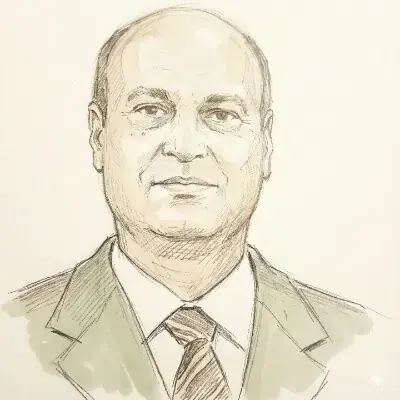
Dawn reached out to the US Embassy in Islamabad for comment. In their written response, a US embassy spokesperson said: “US embassy representatives met Secretary Shahid Iqbal Baloch of Pakistan’s Ministry of Science and Technology in February to exchange views on the proposed changes to the labelling of food products.”
“The United States remains committed to supporting Pakistan’s journey toward more resilient, inclusive and effective public health systems, working together to prevent, detect and respond to health threats that affect both countries,” it said.
Published in Dawn, February 28th, 2026