Iran says US ‘more realistic’ on nuclear issue, as Guards begin drills in Hormuz Strait
Iran said on Monday that the United States’s position on Iran’s nuclear programme “has moved towards a more realistic one”, a day ahead of a second round of US-Iranian talks in Geneva.
Tehran’s foreign minister arrived in Geneva for the new round of indirect negotiations with the US, as the Revolutionary Guards began military drills in the Strait of Hormuz, a vital shipping lane for oil and gas.
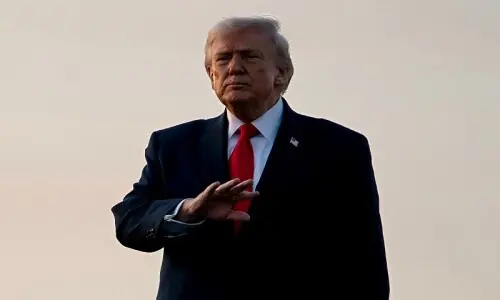
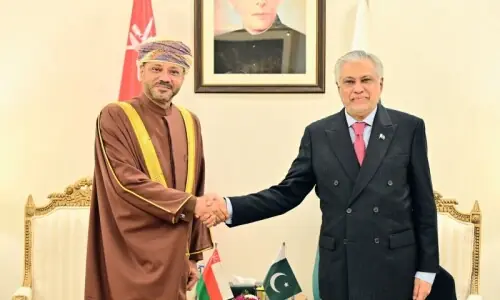
The two sides recently resumed indirect talks, mediated by Oman, after US President Donald Trump repeatedly threatened military action against Iran over a deadly crackdown on protesters last month.
A previous attempt at negotiations collapsed when Israel launched surprise strikes on Iran, beginning a 12-day war that Washington briefly joined to bomb Iranian nuclear sites.
“A cautious assessment is that, from the discussions that have taken place in Muscat to date, at least what we have been told is that the US position on the Iranian nuclear issue has moved towards a more realistic one,” said foreign ministry spokesman Esmaeil Baqaei, the official IRNA news agency reported.
According to Tehran, talks mediated by Oman will be held on Tuesday in Switzerland.
Washington has previously pushed for other topics to be discussed, including Iran’s ballistic missiles and support for armed groups in the region.
The war games being conducted by the Guards, the ideological arm of the military, aim to prepare it for “potential security and military threats” in the Strait, Iranian state TV said.
Iranian politicians have repeatedly threatened to block the strait, a strategic waterway through which about 20 per cent of global oil passes, as both sides ramp up pressure with talks set to resume.
US Secretary of State Marco Rubio told reporters on Monday, “We’re hopeful there’s a deal”.
“The president always prefers peaceful outcomes and negotiated outcomes to things.”
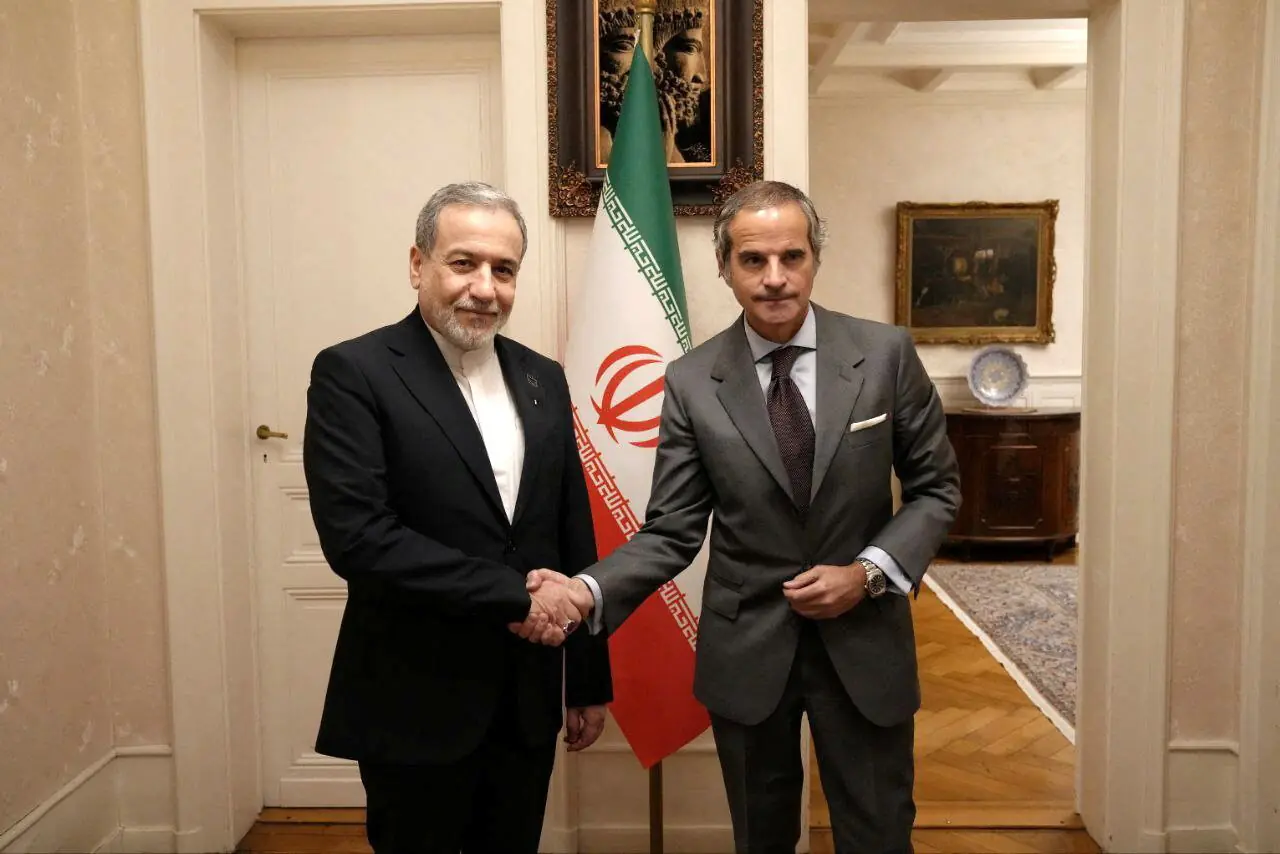
Meanwhile, Iran’s top diplomat, Abbas Araghchi, wrote on X that he was meeting in Geneva with the head of the International Atomic Energy Agency, Rafael Grossi, “for deep technical discussion”.
Grossi later confirmed the meeting on X, calling the conversation with Araghchi “in-depth” ahead of Tuesday’s “important negotiations”.
Protest crackdown
Araghchi is also set to hold talks with his Swiss and Omani counterparts as well as other international officials, Iran’s foreign ministry said.
“I am in Geneva with real ideas to achieve a fair and equitable deal. What is not on the table: submission before threats,” Araghchi added on X.
Washington has dispatched Middle East envoy Steve Witkoff and President Donald Trump’s son-in-law Jared Kushner, the White House confirmed on Sunday.
The latest talks follow repeated threats from Trump of military action against Tehran, first over Iran’s deadly crackdown on anti-government protests, and then more recently over the country’s nuclear programme.
The West fears the programme is aimed at making a bomb, which Tehran denies.
On Friday, Trump said a change of government in Iran would be the “best thing that could happen”, as he sent a second aircraft carrier to the Middle East to ratchet up military pressure.
His remarks came before demonstrations outside Iran against its authorities swept a number of cities, including in the US, over the weekend.
‘Viable’ deal
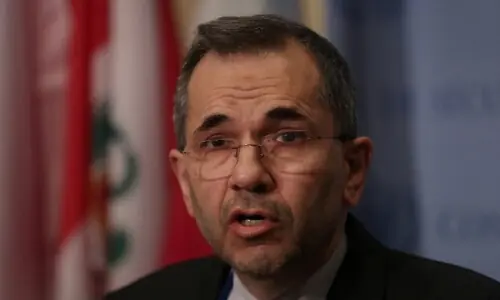
Iran’s deputy foreign minister told the BBC that Tehran would consider compromises on its uranium stockpile if Washington lifts sanctions that have crippled the country’s economy.
“If we see the sincerity on their (American) part, I am sure we will be on a road to have an agreement,” said Majid Takht-Ravanchi.
Israeli Prime Minister Benjamin Netanyahu said on Sunday that any deal must involve the removal of all enriched uranium from Iran as well as Tehran’s ability to enrich more.
The whereabouts of Iran’s stockpile of around 400 kilogrammes of uranium enriched to 60 per cent remains unknown, with inspectors having last seen it in June.