Cuba confirms ‘communications’ with US, but says no negotiations yet
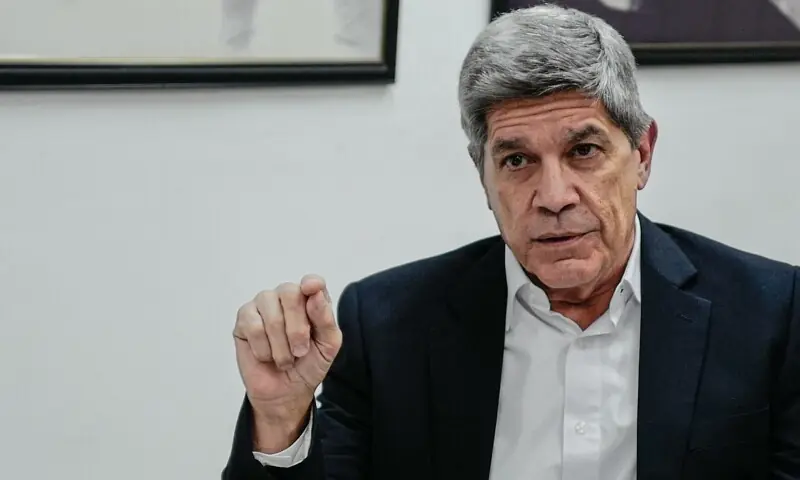

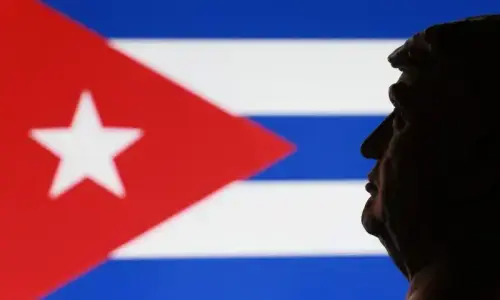
Cuba’s government on Monday told AFP that it was in “communication” with US President Donald Trump’s administration but not yet in formal talks on a deal to end Washington’s pressure campaign on the island.
“Today we cannot talk about having dialogue with the United States, but it is true that there have been communications between the two governments,” deputy foreign minister Carlos Fernandez de Cossio said in an interview.
Trump on Sunday claimed the United States was in talks with “the highest people” in Cuba and that he expected to “make a deal” with its leadership, without saying what a deal might look like.
De Cossio repeated that Cuba was “open to dialogue” with the United States amid calls from Cubans for the government to negotiate to avert a humanitarian crisis.
Trump has been ratcheting up pressure on Havana since the January 3 capture by US special forces of Venezuelan leader Nicolas Maduro, a top Cuba ally and financial backer.
Pressured by Washington, Venezuela’s new administration has cut crude shipments to Cuba.
Trump said Monday that Cuba’s other main supplier, Mexico, would also “cease sending them oil” after he threatened tariff rises on any country that allowed Cuba to circumvent the de facto blockade. There was no immediate response from Mexico.
The United States’ largest trading partner had incurred Trump’s ire by sending oil to Cuba to make up for a sharp decline in Venezuela’s output under Maduro.
As recently as December, Mexico was still sending crude to Cuba.
President Claudia Sheinbaum had been loathe to cut the lifeline to Cuba, warning of a “far-reaching humanitarian crisis directly affecting hospitals, food supplies, and other basic services for the Cuban people.”
But she also admitted last week: “We don’t want to put our country at risk in terms of tariffs.” A decree signed by Trump last week effectively forced her and other Cuban partners to choose.
The highest people
The pressure tactics threaten to plunge Cuba into complete darkness, with its power stations already struggling to keep the lights on due to fuel shortages.
Jorge Grosso, a 23-year-old student who spent nearly 24 hours last week queueing at a petrol station to fill up his Lada, told AFP he backed talks “to see what conditions are imposed (by Trump) because in the end they’re strangling us.” For months Cubans have been forced to cope with power outages lasting up to 20 hours a day in rural areas.
On Monday, Trump repeated his claim that Cuba, which is limping through its worst economic crisis in decades, is a “failed nation.” He added he believed “we are pretty close (to a deal), but we are dealing with the Cuban leaders right now.”
His pressure on Sheinbaum comes as the United States and its southern neighbour begin talks on a review of a tripartite free trade deal with Canada, which is crucial to Mexico’s economy.
Over the past year, Sheinbaum has been scrambling to stave off the kind of tariff pain Trump has imposed on other allies.
In a move widely seen as an attempt to appease him, Mexico in January imposed stiff tariffs on imports from China.