Parliamentary panel voices concern over tree felling in Islamabad


 1
1
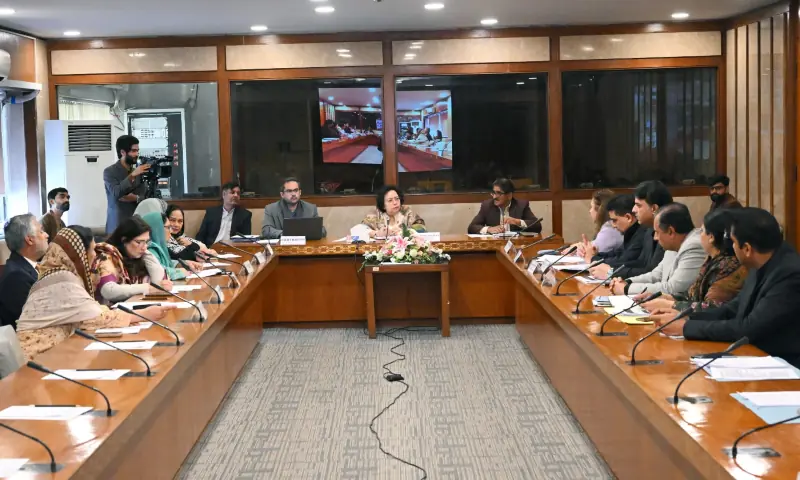

ISLAMABAD: A parliamentary committee on Friday expressed grave concern over the recent large-scale felling of trees across the Islamabad Capital Territory and the lack of effective coordination among relevant authorities.
The concern was raised during a meeting of the Standing Committee on Climate Change and Environmental Coordination, held under the chairpersonship of MNA Munaza Hassan at the Parliament House.
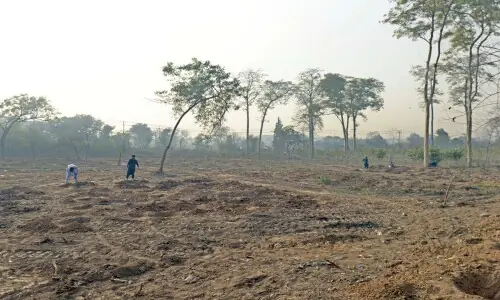
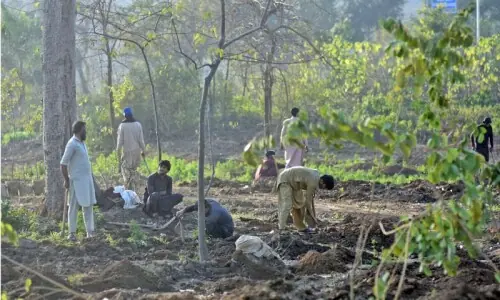
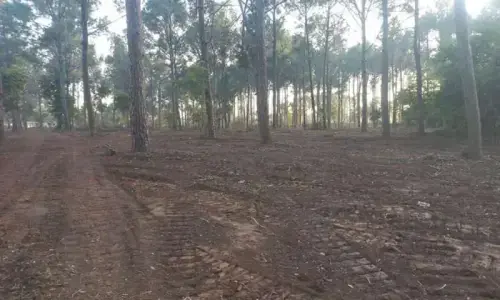
During a detailed briefing by the Ministry of Climate Change and Environmental Coordination, in coordination with the Capital Development Authority (CDA), the committee examined the justification, legal basis and environmental implications of tree-cutting activities, including the removal of paper mulberry and other tree species in various sectors of Islamabad.
The committee noted with concern that key stakeholders, including the CDA chairman, the federal minister and minister of state for climate change, were absent, observing that such non-attendance undermined parliamentary oversight.
Standing committee questions lack of coordination, seeks data and studies from CDA
While the CDA maintained that the overall green cover in Islamabad had increased through compensatory plantation and transplantation measures, the committee remained unconvinced and emphasised that post-facto assurances could not substitute prior planning, environmental assessment and statutory compliance, particularly within protected areas such as Margalla Hills National Park.
Committee members raised serious questions regarding the absence of environmental impact studies prior to tree removal, the cutting of trees in designated brown areas without ecological cost-benefit analysis, and weak institutional coordination between the CDA, Pak-EPA and other regulators. The committee also expressed dissatisfaction over the continued non-functional status of the Islamabad Wildlife Management Board (IWMB) and the Pakistan Climate Change Authority, observing that the absence of rules, systems and legislation had impaired effective environmental governance.
Regarding air quality and emissions testing, members stressed that environmental mandates lay with Pak-EPA and voiced concern over the lack of a coherent and coordinated plan for emissions monitoring in the federal capital.
The committee directed the CDA to submit the Islamabad Master Plan with clear demarcation of green and brown areas, supported by satellite imagery, and to provide comprehensive, site-wise data on tree removal and reforestation, including details of affected and replanted species.
It further required the submission of expert studies and technical assessments forming the basis for the removal of paper mulberry trees, along with a verification report from the IWMB regarding tree-cutting activities in sensitive and protected areas. Additionally, the committee underscored the need for improved institutional coordination and compliance with environmental laws.
The meeting was attended by MNAs Rana Ansar, Shaista Pervaiz, Syeda Shehla Raza, Dr Shazia Sobia Aslam Soomro, Tamkeen Niazi, Shahida Rahmani, Bilal Farooq Tarar and Tahira Aurangzeb, along with senior officials from the Ministry of Climate Change and Environmental Coordination (MoCC&EC), the Capital Development Authority and the Pakistan Environmental Protection Agency (Pak-EPA).
Published in Dawn, January 31st, 2026