0
0
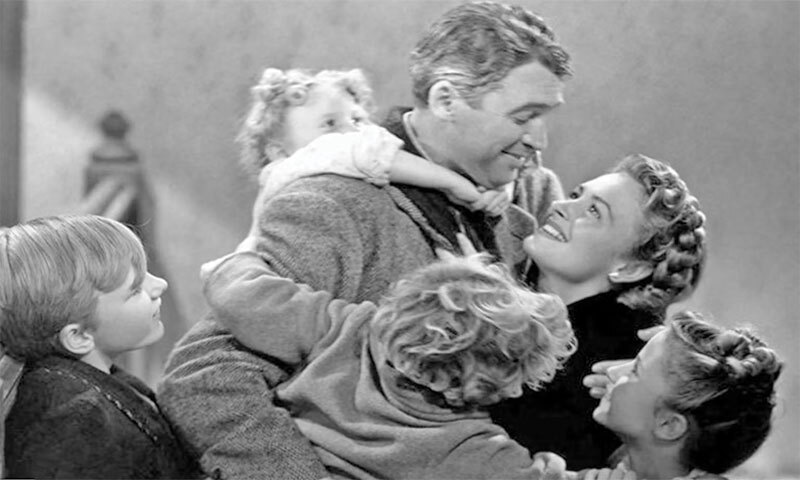

Despite the reputation of It’s A Wonderful Life as a heartwarming Christmas classic, both its fans and detractors like to remind audiences that it’s no feel-good film. For at least two-thirds of its running time, it is essentially the story of a man’s suicide attempt.
We watch as kind-hearted George Bailey has his dreams quashed, his ambitions curtailed and his business ruined. Then it gets even worse. At about two hours in, we watch this poor, despairing man standing on a bridge outside his idyllic small town, crippled by anxiety, overwork, debt and depression, wishing that he had never been born.
The fact that It’s A Wonderful Life remains such a popular Christmas film despite this potentially upsetting subject matter highlights something worth remembering both at Christmas and any time of the year.
We live in an age where suicide remains the number one preventable cause of death for men under 50. Anxiety levels are rocketing among young people. The World Health Organisation recently declared rising loneliness a global health threat. For increasing numbers of people, it is most certainly not feeling like a wonderful life.
It’s A Wonderful Life is not a feel-good Christmas film — but it is incredibly therapeutic
Understandably, we want to do everything we can to help our fellow George Baileys. We try to think of ways to provide respite from suffering and distress, usually through some pleasant form of distraction. A well-meaning boss might organise a mindfulness class on company time for their employees. A friend might take another friend to a wellness retreat.
All of this might work, temporarily at least. Finding space to relax and escape your worries is important, and cinema has provided that to so many people throughout its history. Yet, as many mental health experts will attest, distraction is not a long-term strategy for true well-being.
The more effective solution to suffering is to find a way of seeing the world differently. Replacing a negative narrative formed about life with a more positive one is not easily done, but it is possible. We might seek the advice of experts, consult privately with our friends or family, or read self-help books to assist us in this exercise. Or, we can go to the movies.
Alongside helping us to temporarily forget, cinema can help us to live. It’s A Wonderful Life is a great example of that.
As the film enters its final act, its most famous moment occurs. Just at the height of his despair, George is saved from jumping off the bridge by the arrival of a guardian angel named Clarence. At first, the angel distracts George, cracking a few jokes and forcing him to think about something other than his own perilous state. But then Clarence does something miraculous, showing George a vision of what the world would be like if he had never been born.
George is ultimately saved by this profound act of therapy. By showing a world without him, Clarence gives George not a magical solution to his problems, but an opportunity to see the events of his life differently.
Crucially, George gains three things as a result. He learns gratitude. By taking away his accomplishments and privileges, George is able to be reminded of them. He learns purpose. He sees that his life has not been a series of failings, but a series of actions that have helped to shape the world around him.
And he learns about the profound and meaningful connection he has with others around him. As the film’s climax emerges, we see those connections play out, and learn that life is troubling, messy, challenging, unfair, hard and unreliable. It is also utterly wonderful, exactly for that reason.
I’ve never liked “feel-good” films. I’m glad E.T. went home. I think Andy Dufresne shouldn’t have escaped from Shawshank prison. I don’t like it when Bill Murray stops reliving Groundhog Day. But I love It’s A Wonderful Life, not despite its heartwarming capabilities but because of them.
For me, the film is not a distraction. It isn’t designed to make us feel better by distancing us from the hardship of life. Instead, it’s a profoundly therapeutic film about the hardship of life, one that, remarkably, finds a positive message that chimes with a lot of what we are finally beginning to learn about the basic principles that grounds human well-being.
Gratitude. Purpose. A sense of connection. These are things that will sustain us, at Christmas and throughout the years that follow. Cinema that profound isn’t just “feel-good”. It could be life-saving.
The writer is Lecturer in Digital Media Production at the University of Westminster in the UK
Republished from The Conversation
Published in Dawn, ICON, December 28th, 2025