Civil society pledges collective resistance to speech curbs


 0
0
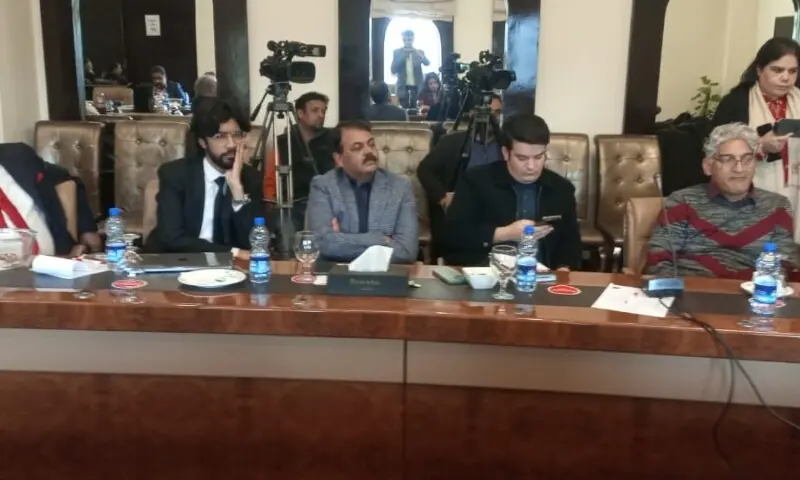

ISLAMABAD: Speakers at a roundtable meeting of Human Rights Commission of Pakistan (HRCP) reaffirmed their principled opposition to the Prevention of Electronic Crimes Act, 2016, and its suffocating impact and subsequent amendments on ordinary citizens and called for a broad civil society coalition to defend freedom of digital expression.
Moderated by Advocate Azwar Shakeel, the roundtable meeting was held as part of HRCP’s ongoing campaign, ‘Ten years of Peca, ten years of silence’.
PFUJ President Afzal Butt and HRCP co-chair Munizae Jahangir reaffirmed the need for principled opposition to such rights-curtailing laws, proposing direct dialogue with authorities to distinguish reasonable regulation from repression.
Veteran journalist and HRCP Council member Nasir Zaidi noted that the state’s approach to free speech had historically been restrictive, with laws designed to control narratives rather than protect constitutional rights. Several journalists also highlighted structural constraints to press freedom.
Lawyers, journalists, politicians attend HRCP moot
Journalist Akbar Notezai noted that newspapers in Balochistan depended heavily on state advertising, making editorial independence increasingly untenable.
Journalist Matiullah Jan said that any involvement of security agencies in Peca-based FIA investigations risked abuse.
A statement issued here said that several participants shared personal experiences of harassment, with one journalist recounting threats and intimidation by officials of FIA, raising concerns about corruption and the lack of accountability within law-enforcement bodies.
Lawyers and journalists, including Saqib Bashir and Asad Toor, emphasised the importance of coordinated, evidence-based litigation across multiple courts in Peca-related cases, but argued that legal avenues alone were insufficient and must be complemented by transparent public debate and collective resistance to these laws. Former prime minister Shahid Khaqan Abbasi agreed that resisting laws that restrict press freedom was necessary to ensure freedom of expression.
Concluding the meeting, former senator and HRCP Council member Farhatullah Babar proposed the formation of pro bono legal teams to address due-process violations under the Peca laws and structured engagement with political parties on this subject, which was endorsed by Rawalpindi Journalists Union President Tariq Ali.
Mr Babar also suggested that officials responsible for abusing these laws should be publicly identified.
Published in Dawn, December 25th, 2025