Industry demands revival of confidence


 1
1

ISLAMABAD: Pakistan Business Forum (PBF) on Monday sought Prime Minister Shehbaz Sharif’s urgent intervention for revival of business confidence and Pakistan’s economic competitiveness.
In a letter to the prime minister, one of the national representative bodies of trade industry, said year 2025 once again proved to be an extreme challenging year for business and industry.
PBF President Khawaja Mehboob-ur-Rehman said despite repeated commitments by successive governments, the fundamental demand of the business community for ease of doing business and a reduction in the cost of operations had not been addressed in a meaningful or sustainable manner.
The PBF said that persistently high input costs, soaring energy tariffs, and an increasingly uncompetitive tax regime continued to erode industrial productivity, weaken exports, and discourage both local and foreign investment. “These pressures have significantly reduced Pakistan’s ability to compete with regional economies that actively support their industries through competitive pricing and pro-growth fiscal policies,” Mr Rehman said.
Seeks PM Shehbaz’s intervention amid high input costs, artificial dollar control
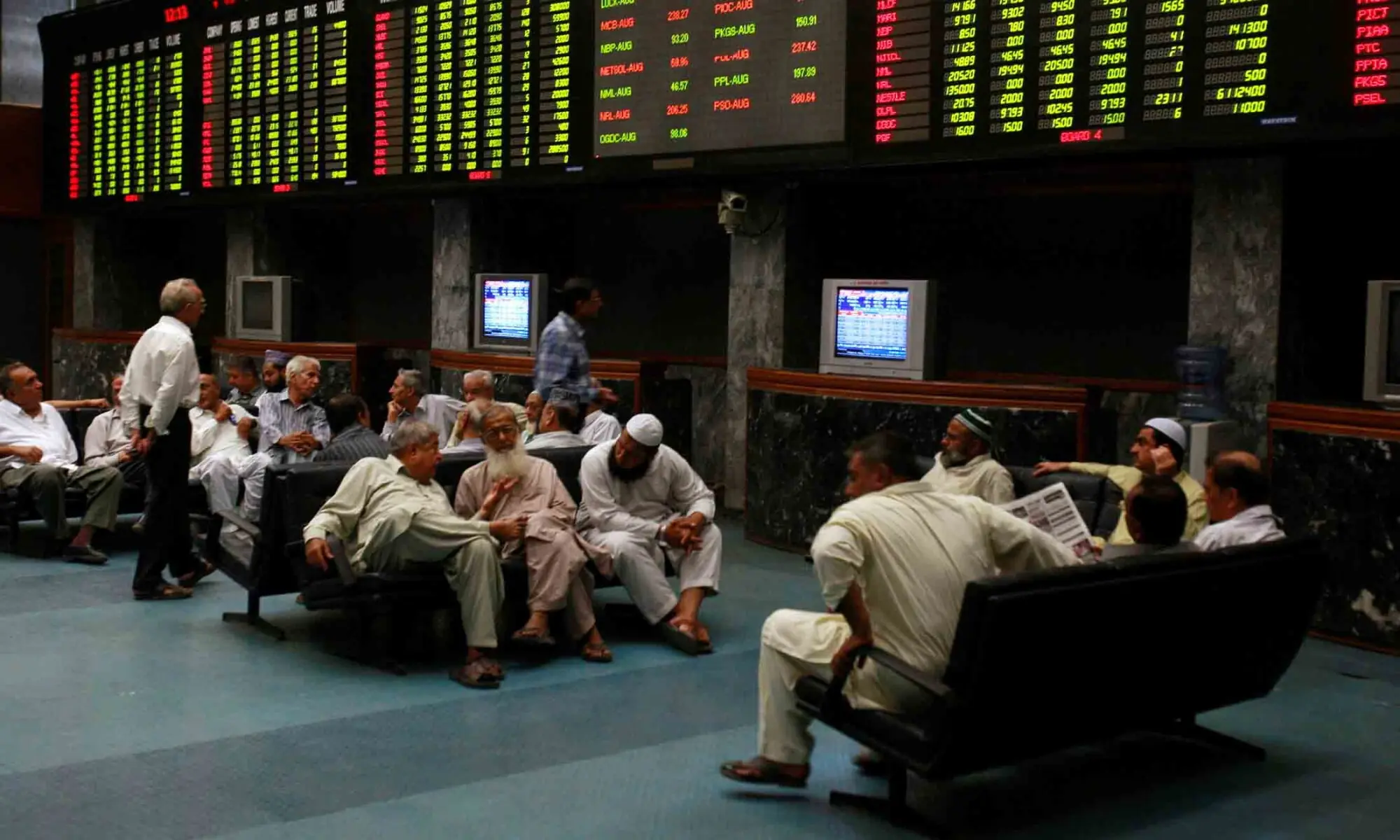
The PBF’s letter for revival of business confidence coincided with a statement from Ministry of Finance saying the investor confidence was booming and the stock market had become ‘one of the best-performing markets in the world’. The ministry’s monthly report for November on the other hand, suggested 26pc drop in foreign direct investment in July-October period of current year over same period last year while portfolio investment recorded a 540m outflow and total foreign investment falling by 82.5pc.
Referring to the successful defence of the country by Pakistan’s armed forces in May, PBF said that while the nation demonstrated strength and unity on the security front, the next critical challenge was winning the economic battle. The business community, PBF emphasised, was ready to play its role, provided it was equipped with the necessary competitive tools to operate in regional and global markets.
Among these tools, the forum identified two reforms as absolutely critical — regionally competitive electricity tariffs, and regionally competitive corporate tax rates. “Without alignment on these fronts, Pakistani businesses will remain at a structural disadvantage compared to their counterparts in neighboring countries,” it said.
The PBF expressed serious concern that current economic policymaking, particularly within the Ministry of Finance, remained largely confined to compliance with IMF programme conditions, with insufficient focus on innovative, growth-oriented, and business-friendly solutions. On the other hand, dollar was kept under control artificially on higher side in the whole year despite reserves were on lower side.
PBF argued that sustainable economic recovery could not be achieved without empowering the business community, being the backbone of employment generation, exports, and revenue creation.
PBF also raised alarm over reports suggesting that electricity tariffs may be increased further potentially up to 15 cents a dollar per unit — as a measure to address circular debt. It warned that such an increase would further burden already distressed industries and could result in widespread downsizing or closure of industrial units, deepening unemployment and economic contraction.
Additionally, the forum also expressed disappointment over the recent formation of multiple economic committees and working groups without the inclusion of elected representatives of the business community. PBF emphasised that the absence of industry voices at the policymaking table prevented the government from fully understanding ground realities and crafting effective, implementable solutions.
Looking ahead to 2026, the PBF urged the premier to provide the business community with a clear, credible, and forward-looking economic roadmap. Such clarity was essential to restore confidence, encourage investment, and enable long-term planning.
It emphasised that if the government provided an initial push through competitive energy pricing, rationalised taxation, and genuine stakeholder engagement, the business community will respond by delivering economic growth, employment generation, and export expansion.
Published in Dawn, December 23rd, 2025