Amnesty urges halt of forced Afghan deportations
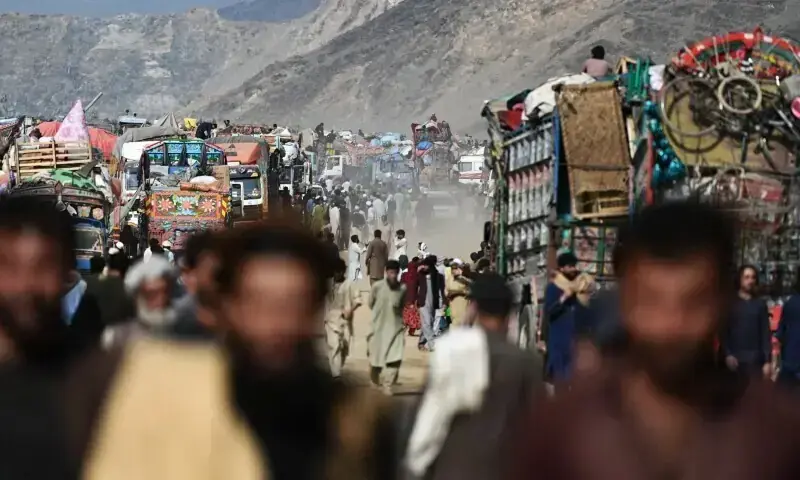


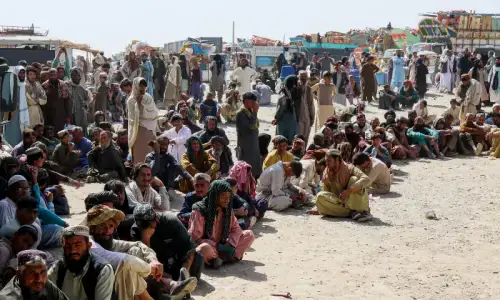
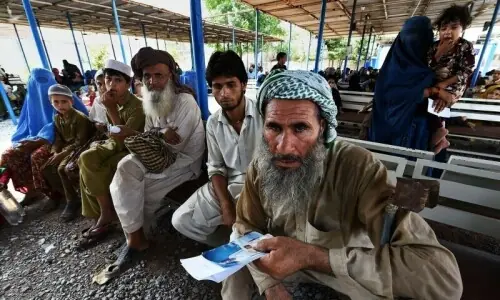
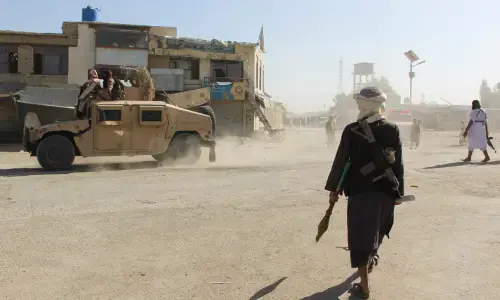
PARIS: Amnesty International on Tuesday called on countries to stop forcibly returning people to Afghanistan, saying they are being “unlawfully” deported by Pakistan and Iran as well as some European countries.
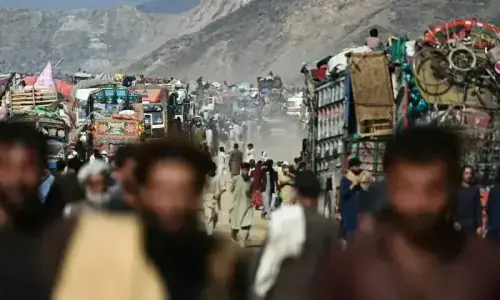
So far this year around 2.5 million Afghans have returned to the country, the UN’s special representative Georgette Gagnon told a Security Council briefing in New York last week.
That represents “a six per cent population increase, compounding the deep-rooted economic, climate and humanitarian crises the country already faces”, she said.
Citing Afghanistan’s “deepening humanitarian crisis”, Amnesty said there is an increased “real risk of serious harm for returnees”.
The organisation said that nations must comply with international law that “prohibits the forcible return of anyone to a place where they face a real risk of grave human rights violations”.
Generations of Afghans have fled to Pakistan and Iran over decades of successive wars, meaning that many young people have never lived in the country.
But Pakistan and Iran began forcing them to leave in recent years, with Islamabad alleging the population includes “terrorists and criminals”.
Amnesty also cited media reports that “Germany, Austria, and the European Union are in negotiations with the de facto Taliban authorities to facilitate forced returns”.
Many of the newcomers to Afghanistan are shunned and unable to find jobs, while women and girls face severe restrictions under the Taliban.
“This rush to forcibly return people to Afghanistan ignores why they fled in the first place and the serious dangers they face if sent back,” said Smriti Singh, Amnesty’s South Asia director.
Published in Dawn, December 17th, 2025