EU, G7 weigh ban on maritime services for Russian oil exports
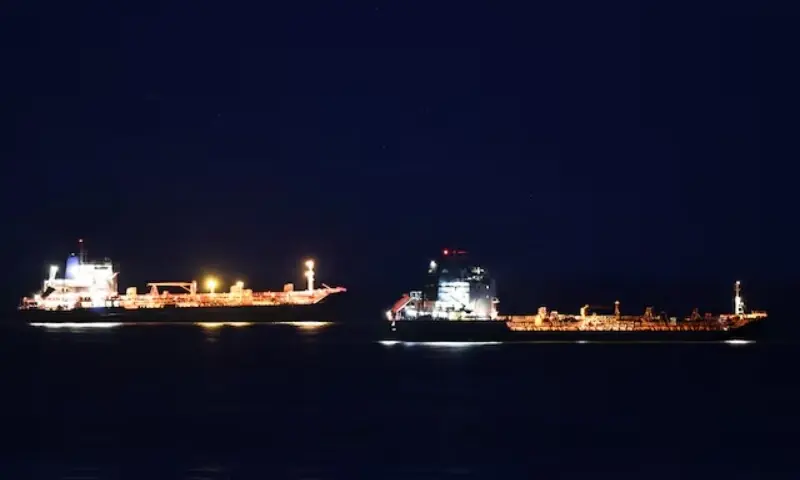
BRUSSELS: The Group of Seven countries and the European Union are in talks to replace a price cap on Russian oil exports with a full maritime services ban in a bid to reduce the oil revenue that helps finance Russia’s war in Ukraine, six sources familiar with the matter said.
Russia exports over a third of its oil in Western tankers — mostly to India and China — with the use of Western shipping services. The ban would end that trade, which is mostly done through the fleets of EU maritime countries, including Greece, Cyprus, and Malta.
The other two-thirds of exported Russian oil goes out in a fleet of hundreds of tankers operating outside Western scrutiny and maritime standards, known as the dark or shadow fleet. Russia would need to expand that fleet if the G7 and the EU impose the maritime services ban.
The ban could be part of the EU’s next package of sanctions against Russia, slated for early 2026, three out of the six sources said. The 27-nation EU would like to approve the ban together with a broader G7 agreement before proposing the ban in the package, two of the six sources said.
The sources declined to be named due to the sensitivity of the matter.
British and American officials are pushing forward the idea in technical G7 meetings, the sources said. Any final US decision would depend on the pressure tactics President Donald Trump’s administration chooses amid ongoing peace talks it is brokering between Ukraine and Russia, four sources said.
While the G7 and EU have almost fully cut imports of Russian oil since 2022, the new measure would mark the closest they have ever come to a total ban on dealing with Russian crude and fuel, not only at the level of imports but also transportation and maritime services.
The US State Department, the White House, Cyprus’s shipping ministry, European Commission, Britain’s foreign office, and Canada’s foreign ministry did not immediately respond to requests for comment. Greek government officials were not immediately available for comment.
The G7 imposed a price cap for Russian oil in 2022 after Russia invaded Ukraine to curb the Kremlin’s income while allowing third countries to buy Russian oil using Western services — but only if buyers paid Russia less than the price cap.
To avoid the cap, Russia rerouted much of its oil to Asia on its own ships, many of which have since been sanctioned by the West. These vessels are old, their ownership is opaque, and they sail without Western insurance cover.
Published in Dawn, December 6th, 2025