Sherry seeks urgent action on worsening pollution crisis

ISLAMABAD: Senate Standing Committee on Climate Change Chairperson Senator Sherry Rehman on Thursday demanded urgent action on the country’s worsening pollution crisis and criticised Environmental Protection Agency’s failure to present credible data on air pollution levels in the country.
She cited the recent WHO data and said the scale of the health emergency demanded far more seriousness and accuracy from government institutions as public health could no longer be compromised by poor data and weak enforcement.
She said the WHO data shows 256,000 deaths in Pakistan due to air pollution every year which is higher than the deaths caused by acts of terrorism in the country. The Senate committee began with a briefing from the Pakistan Environmental Protection Agency (Pak-EPA) on smog patterns, particularly its intensification during winter. However, Ms Rehman sharply criticised the EPA officials’ presentation for lacking credible data, updated statistics, and clear assessments.
She noted that despite three months’ notice from the committee, the EPA failed to produce a reliable document.
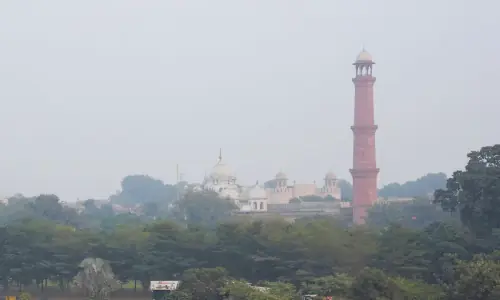
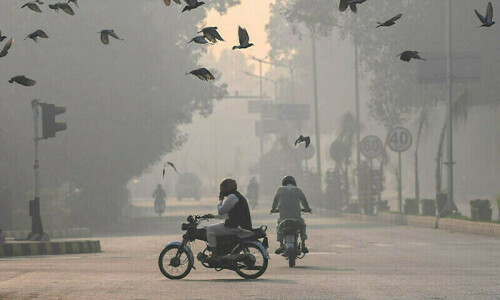
She said that Pakistan is now the third most polluted country in the world, and Lahore ranked alongside Delhi among the world’s worst cities for air quality. Toxic air, she said, was cutting life expectancy by up to 4.6 years.
She said that smog was affecting nearly 11 million children under five in Punjab’s most impacted districts, noting that children breathed faster and were more susceptible to respiratory diseases. According to the World Bank, she said, air pollution was costing the country $22 billion annually, almost 6.5 per cent of Pakistan’s GDP.
Punjab’s Director General of EPA briefed the committee on the province’s smog management measures, including a “war room”, low-cost air sensors, and enforcement against industrial polluters. Punjab’s source apportionment study identified transport as the largest contributor to pollution at 83 per cent, followed by industry, agriculture, waste burning, and commercial and domestic sources.
The province reported having 44 monitoring stations, thousands of furnace feeds under live monitoring, and AI-based systems being developed to automate pollution alerts.
Published in Dawn, December 5th, 2025