0
0

• Governor promulgates Regulation of Kite Flying Ordinance 2025, will be laid before provincial assembly today
• Under-18s barred from participating; each kite to carry QR code to help identify manufacturer • Only cotton-based string to be used; purveyors of metal- or glass-coated strings to be proceeded against
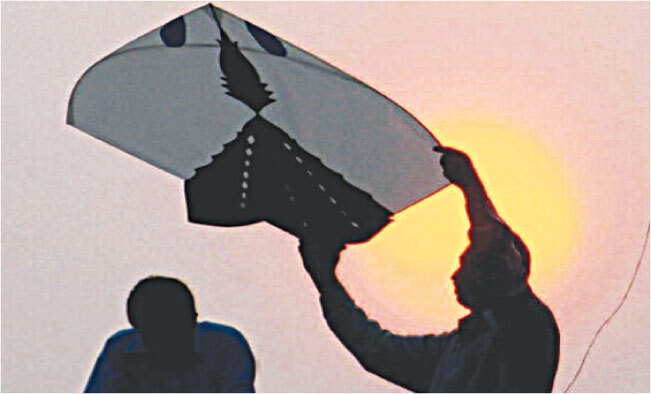
LAHORE: The iconic festival of Basant, which heralded the coming of spring and saw the skies over Punjab’s cities spring to life with thousands of colourful kites, has been revived by the provincial government after an 18-year hiatus.
While a proposal to revive the festival had been on the table for some time, Governor Sardar Saleem Haider Khan promulgated the Punjab Regulation of Kite Flying Ordinance 2025 a day earlier, paving the way for the festival’s revival.
The Punjab Assembly was supposed to take up the ordinance on Wednesday, but the session was put off due to lack of quorum. Consequently, the ordinance will be laid before the provincial legislature today (Thursday) for approval.
Under the new legislation, those under the age of 18 are prohibited from kite-flying, and a fine of Rs50,000 will be imposed for the first violation and Rs100,000 for subsequent violations. In case of non-payment of the fine, action will be taken against the relevant parent or guardian.
The law now requires kite-flying associations to be registered with the deputy commissioner of the relevant district, and shopkeepers will also be registered, who will be linked via a QR code.
To identify a seller or manufacturer, every kite shall have to carry a QR code.
The violators will be imprisoned for three to five years, and they will pay a fine of up to Rs2m for violation of rules.
Importantly, only the manufacturing of thread-based kite strings will be allowed, while the use of metallic, chemical-coated, or sharp strings has been outlawed, and anyone found using them will face severe legal consequences.
Although Lahore was known around the world for the ubiquitous spring festival, the Punjab government imposed a full ban on kite-flying in 2007, following several deaths — especially of motorcyclists and children — due to becoming entangled in sharp kite string.
Motorcyclists were especially vulnerable to the lethal strings, and many had taken to mounting special aerials on their bikes to deflect errant strings that may harm them.
Published in Dawn, December 4th, 2025