Karachi to become 5th largest city in world by 2050: UN
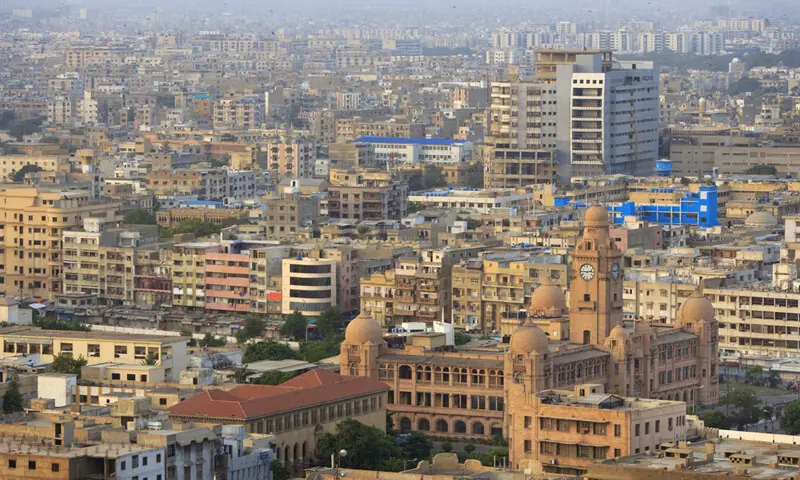

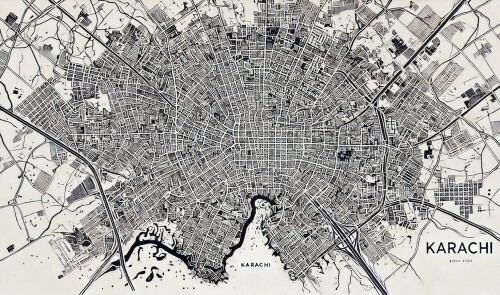
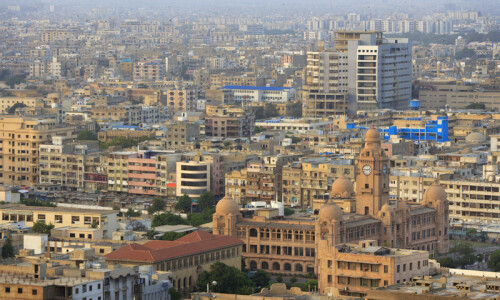
ISLAMABAD: The city of Karachi is expected to become one of the 10 largest cities in the world between 2025 and 2030 with a rapid population growth, which is expected to continue through mid-century.
According to the summary results of the ‘World Urbanisation Prospects 2025’, released by the United Nations, Karachi could rise to fifth place with a projected population of almost 33 million in 2050, overtaking Cairo (32 million), Tokyo (31 million), Guangzhou, China (29 million), Manila, Philippines (27 million), and Kolkata, India (24 million).
The report says the number of megacities quadrupled from eight in 1975 to 33 in 2025 — over half in Asia with 19 megacities, and projections indicate that there will be 37 megacities globally by 2050.
Fast-growing Dhaka is expected to become the world’s largest city by mid-century.
Meanwhile, Tokyo is projected to fall in rank from third in 2025 to seventh in 2050, as its population shrinks to around 31 million.
In 2025, the world’s most densely populated cities have more than 20,000 inhabitants per square kilometre. Many of these densely populated cities are also among the world’s most populous, including Karachi with 25,000 people per square kilometre.
The global rural population is expected to peak sometime during the 2040s and then begin to gradually decline.
The two most populous countries, India and China, will also have the largest populations residing in towns between now and 2050.
From 2000 to 2025, the global population living in cities increased by 1.25 billion, but over half of this growth came from only a few countries.
India, China, Nigeria, Pakistan and the United States have collectively contributed over 500 million people to the global city population.
The world has become increasingly urban; more people live in cities today than in towns or rural areas.
In 1950, city living was relatively unusual: just 20 per cent of the world’s 2.5 billion people lived in cities, defined as population centres. Following many decades of urbanisation, cities are now (in 2025) home to 45 per cent of the world’s 8.2 billion people, more than double the proportion in 1950.
Rural communities are less densely populated than cities and towns.
Worldwide, more than 3,000 cities experienced population decline between 2015 and 2025, according to the report.
Published in Dawn, November 20th, 2025