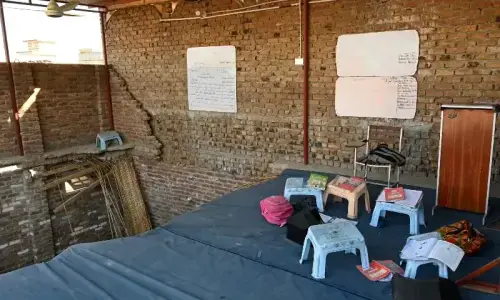
LAHORE: The Apni Chat Apna Ghar Programe — Punjab’s flagship housing initiative — is trying to get nominated for the United Nations Human Settlements Programme (UN-Habitat) award for sustainable and inclusive development.
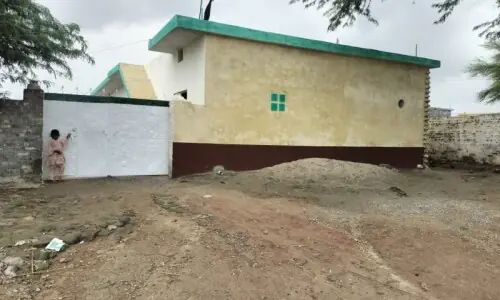
The programme, according to Punjab Housing and Town Planning Agency (PHATA), was launched in August 2024 and it emerged as a response to challenges related to affordable housing in the province. Within its first year, the programme disbursed US$350 million as interest-free loans to more than 105,000 households, enabling them to build or improve their homes.
“By late 2025, 30,000 of nearly 100,000 under-construction houses have been completed, marking one of the fastest rollouts of affordable housing in Pakistan’s history,” claimed PHATA Director General Sikandar Zeeshan while talking to Dawn.
“Punjab has long struggled with a serious housing shortage, especially among low-income and vulnerable families. Decades of rapid urbanization left the private sector unable to keep pace, hampered by weak regulations, slow approvals and a lack of financial incentives. The result was a growing population forced into informal settlements without basic services.”
Mr Zeeshan said the housing programme stood out for its blend of policy reform, financial innovation and digital governance. Punjab has overhauled outdated housing regulations and introduced new Joint Venture Rules to attract private developers, he said and added that it built an entirely digital management ecosystem with interconnected platforms for housing markets, project oversight and beneficiary tracking.
“These systems have reduced red tape, improved transparency, and made targeting more accurate, ensuring that assistance reaches those most in need. Alongside these reforms, the government created new planning criteria to guide infrastructure investment toward viable and well-connected housing sites, expanding the supply of serviced land and restoring investor confidence,” he explained.
Housing, Urban Development and Public Health Engineering Department Secretary Capt (retired) Noorul Amin Mengal said the impact of Apni Chhat Apna Ghar went beyond numbers.
“For thousands of low-income families, owning a home now means more than a roof; it represents long-term security, access to utilities, and a chance to build intergenerational stability.
The programme also empowers women, particularly female-headed households, by extending access to housing finance and ownership rights. Its social impact is matched by economic dividends, as housing construction has generated substantial employment and spurred demand across allied industries,” he claimed, adding that the government’s commitment to green and resilient design ensured that new housing stock was better equipped to withstand environmental pressures, contributing to Pakistan’s broader climate goals.
According to Mr Mengal, the government initially faced institutional capacity gaps, limited skilled human resources and weak coordination with the private sector.
But through targeted reforms–establishing Program Management Units, strengthening fiduciary systems, and engaging developers through open dialogue–the province managed to turn early challenges into opportunities.
“These steps not only accelerated delivery but also rebuilt trust between the public and private sectors, a long-missing link in Pakistan’s housing landscape,” he said.
Published in Dawn, November 8th, 2025