Pera—a new hope for land dispute cases resolution
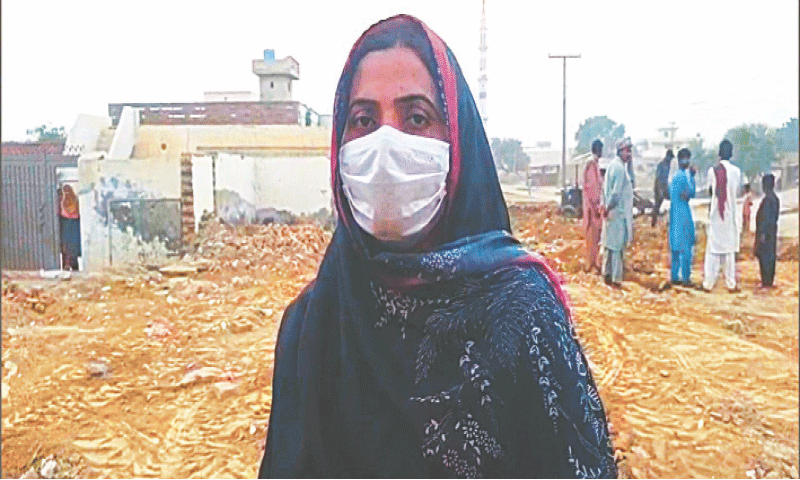
SAHIWAL: Atiya Bibi, 45, endured four years of anguish after the death of her husband Asad Zafarullah in 2021. Asad was the co-owner of the land allotted under the Ghori Paal Muraba scheme at Chak 1/10-L, tehsil Chichawatni.
Following his death, 1.1 Kanal agricultural land was unlawfully occupied by Atiya’s uncle, Muhammad Ilyas, his son Jamshad, and her brother-in-law Sohail. Despite repeated appeals to family elders and the local panchayat, Atiya’s claim was ignored. The civil court stay order from the opponent party was also an obstacle. The land was leased to a third party by the occupants without Atiya’s consent. Her struggle for justice found a turning point when she approached Sahiwal Deputy Commissioner Shahid Mahmood and chairperson of the Punjab Enforcement and Regulatory Authority (Pera), established on July 27, 2025.
Pera—working in coordination with the Revenue Department, district administration, and local police— got Atiya’s land vacated within 48 hours. She became one of 100 beneficiaries who regained possession of their land under the new enforcement regime during the last three months. In similar cases, four landowners—Ali Asghar, Muhammad Yaqoob, Jamshaid Ahmed, and Ali Nawaz—reclaimed 288 Kanal of land worth Rs180m in Arazi Yaqoob vicinity. According to official sources, Pera has retrieved a total of 1,031 Kanals in 25 villages in district Sahiwal, with an estimated market value of Rs701m in three months. Thirty operations have been conducted to remove illegal occupants.
DC Shahid said that before Pera’s formation, land recovery efforts were hampered by bureaucratic bottlenecks, lack of coordination among police, district administration, as well as the civil court’s stay orders in land disputes.
“Pera and relevant legislation law has changed everything. Now, the DC has the authority to issue unified orders, ensuring coordination among line departments,” he said and added that under the dispute resolution committee (DRC), complex cases involving collective ownership of land, residential encroachments and occupation of state land could be resolved under one roof.
Recently passed the landmark legislation, Punjab Protection of Ownership of Immovable Property Ordinance 2025, mandates resolution of land disputes within 90 days. The DC now holds the power to communicate directly with revenue officials and civil courts to prevent unnecessary stay orders that delayed justice.
Sources said special judges and magistrates would soon be appointed at the high court, district, and tehsil levels to expedite the land dispute cases.
Noman Qaisar, in-charge Pera Sahiwal, says the new law empowers Pera to work in a more solid and comprehensive way. For citizens like Atiya, the new law is more than policy—it is a lifeline.
For the government, it marks a shift toward transparent governance and efficient redress of public grievances.
Published in Dawn, November 3rd, 2025