Men shot by the hundreds, disappeared after Sudanese city falls to paramilitaries, witnesses say
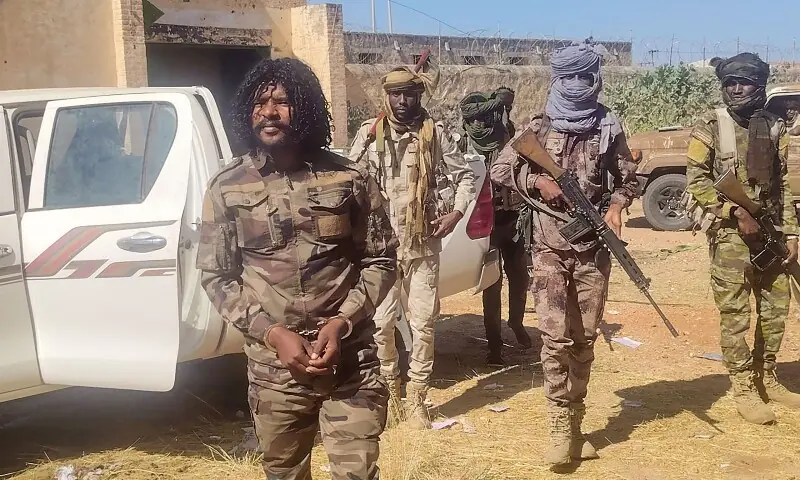

Fighters riding camels rounded up a couple of hundred men near the Sudanese city of al-Fasher at the weekend and brought them to a reservoir, shouting racial slurs before starting to shoot, according to a man who said he was among them.
One of the captors recognised him from his school days and let him flee, the man, Alkheir Ismail, said in a video interview conducted by a local journalist known to Reuters in the nearby town of Tawila in the country’s western Darfur region.
“He told them, ‘Don’t kill him,’” Ismail said. “Even after they killed everyone else — my friends and everyone else.”
He said he had been bringing food to relatives still in the city when it was captured by the paramilitary Rapid Support Forces (RSF) on Sunday — and, like the other detainees, was unarmed. Reuters could not immediately verify his account due to the conflict but has verified earlier material obtained from the journalist.

Ismail was one of four such witnesses and six aid workers interviewed by Reuters who also said people fleeing al-Fasher had been gathered in nearby villages and men separated from women and removed. In an earlier account, one of the witnesses said gunshots then rang out.
Activists and analysts have long warned of revenge killings based on ethnicity by the RSF if they seized al-Fasher — the last stronghold of the Sudanese military in Darfur.
The UN human rights office shared other accounts on Friday, estimating hundreds of civilians and unarmed fighters may have been executed. Such killings are considered war crimes.
The RSF, whose victory in al-Fasher marks a milestone in Sudan’s two-and-a-half-year civil war, has denied such abuses — saying the accounts have been manufactured by its enemies and making counter-accusations against them.
RSF says men removed for interrogation
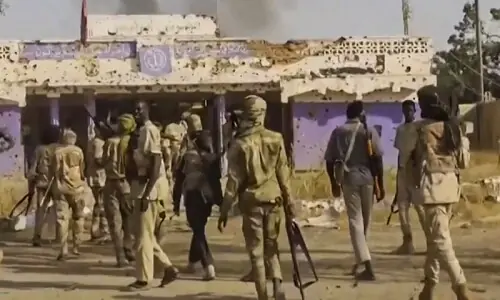
Reuters has verified at least three videos posted on social media showing men in RSF uniforms shooting unarmed captives and a dozen more showing clusters of bodies after apparent shootings.
A high-level RSF commander called the accounts “media exaggeration” by the army and its allied fighters “to cover up for their defeat and loss of al-Fasher”.
The RSF’s leadership had ordered investigations into any violations by RSF individuals and several had been arrested, he said, adding that the RSF had helped people leave the city and called on aid organisations to assist those who remained.
He said soldiers and fighters pretending to be civilians had been taken away for interrogation. “There were no killings as has been claimed,” the commander told Reuters in response to a request for comment.
The RSF’s capture of al-Fasher entrenches the geographical division of a country already reduced by the independence of South Sudan in 2011 after decades of civil war.
In a speech on Wednesday night, RSF head Mohamed Hamdan Dagalo called on his fighters to protect civilians and said violations will be prosecuted. He appeared to acknowledge reports of detentions by ordering the release of detainees.
Most of the fighters holding back the RSF advance in al-Fasher came from the Zaghawa ethnic group whose enmity with the largely Arab RSF fighters dates from the early 2000s, when, as the Janjaweed militias, they were accused of atrocities in Darfur.
Alex de Waal, a genocide expert and specialist on Darfur, said the reported RSF acts in al-Fasher looked “very similar to what they did in Geneina and elsewhere”, referring to another Darfur city the RSF took during the latest war’s early stages as well as the early 2000s conflict.
The US said the RSF had committed genocide in Geneina and the attack is under investigation by the International Criminal Court. The Sudanese army and others accuse the United Arab Emirates of supporting the RSF, charges the Gulf state denies.
‘We can’t say they are alive’
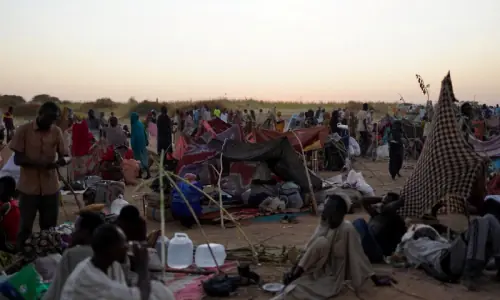
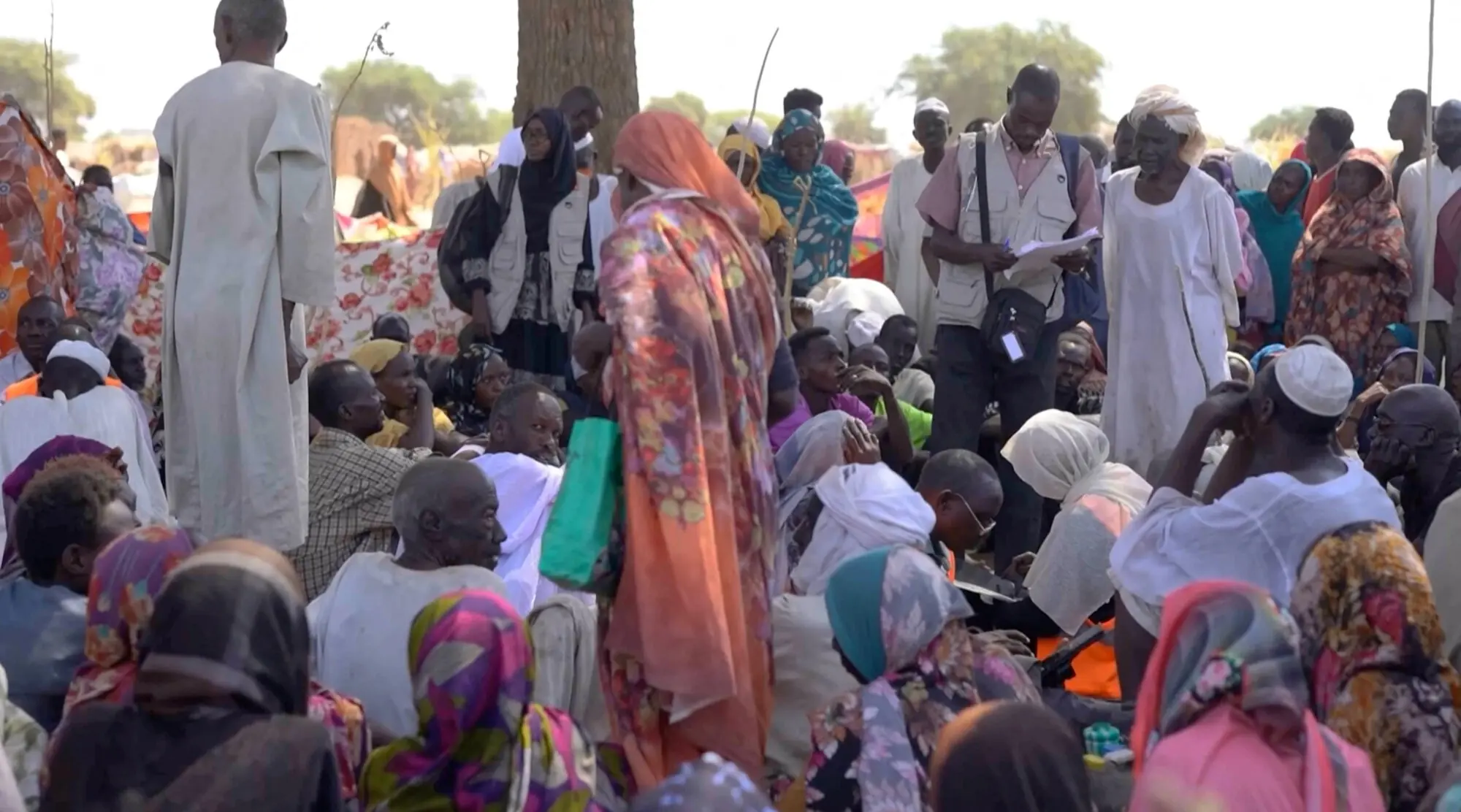
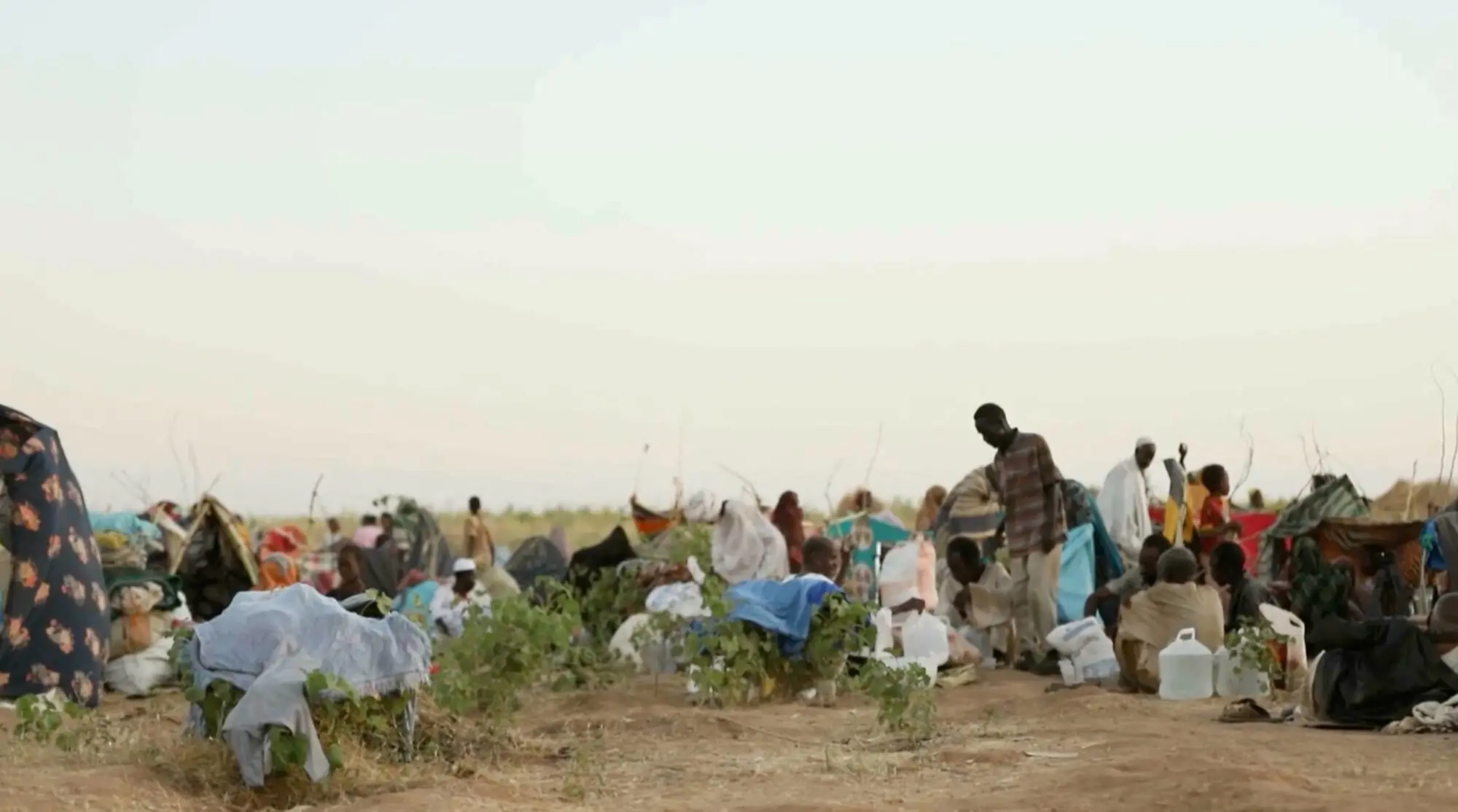
Mary Brace, a protection adviser at Nonviolent Peaceforce, an NGO working in Tawila, said those arriving “are women, children and older men generally”, adding that trucks organised by the RSF have taken some people from Garney to Tawila while others have been taken elsewhere.
The RSF on Thursday posted a video it said showed the provision of food and medical aid to people displaced in Garney. Aid workers said the force may also be trying to keep people in towns it controls to attract foreign aid.
Some 260,000 people were still in al-Fasher around the time of the attack, but only 62,000 have been counted elsewhere, and only several thousand of them in Tawila, which is controlled by a neutral force.
In another of the testimonies obtained and verified by Reuters, Tahani Hassan, a former hospital cleaner, said she fled to Tawila early on Sunday after her brother-in-law and uncle were killed by stray bullets.
On the way, she and her family were apprehended by three men in RSF uniforms who searched them, beat them and insulted them, she said.
“They hit us hard. They threw our clothes on the ground. Even I, as a woman, was searched,” she said, adding that their food and water was also spilled on the ground.
They eventually made it to Garney where the fighters separated women and children from the men, most of whom they did not see again, including her brother and brother-in-law.
“We can’t say they are alive, because of how they treated us,” Hassan said. “If they don’t kill you, the hunger will kill you, the thirst will kill you.”