Regional approach urged for inclusive energy transition


 0
0


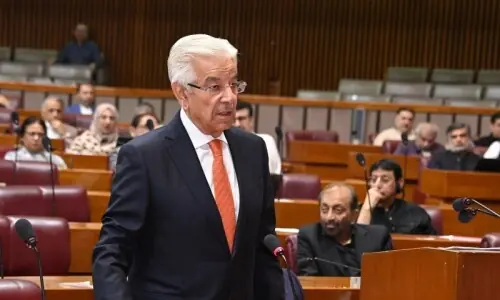
ISLAMABAD: The chairperson of the Senate standing committee on climate change and environmental coordination, Senator Sherry Rehman, has called for a unified regional approach to achieve a just and inclusive energy transition.
Pakistan, Kazakhstan, and Uzbekistan — collectively forming the Pakistan-C2 region with a population of over 308 million and a GDP of $848 billion — had the scale, shared challenges, and potential to shape a joint pathway for the Global South, Senator Rehman said while addressing ‘Pre-COP30 Pak-C2 Energy Transition Dialogue’.
Sherry proposes Pak-C2 energy transition task force
“We must dream the same green dream,” she urged. “This transition cannot happen in silos. Pakistan and Central Asia must bargain collectively, build regional consensus, and move forward together in this defining decade,” she stressed.
She said climate justice and domestic climate governance must be viewed separately. “The world must not ask the most climate-vulnerable nations to carry the burden of others’ emissions,” she said, adding, “Anger at inaction at home should not stop the search for climate justice globally, shared responsibility is the essence of climate politics.”
Highlighting global inequities, she noted that fossil fuels continued to receive $7 trillion in annual subsidies despite record growth in renewables. “The world is adding renewables but not replacing fossil fuels,” she warned. “This dual expansion is pushing frontline countries like Pakistan, where temperatures reach 53 degrees centigrade, to the brink.”
She reminded that Pakistan contributed less than one per cent to global emissions yet suffered disproportionately from climate disasters. Referring to the International Energy Agency’s estimate of $4.5 trillion needed annually for clean energy by 2030, she said developing nations faced high capital costs, fragmented institutions, and limited de-risking tools.
“Climate finance is not charity, it is justice,” she asserted.
Published in Dawn, October 30th, 2025